Batu Caves in Kuala Lumpur — The 272 Steps Are Narrower Than Expected, and the Cave Is Grander Than Imagined
Head north from Kuala Lumpur toward Gombak in Malaysia, and you'll find a massive chunk of limestone standing alone, with a Hindu temple carved into its hollow interior. This is Ba…
Kuala Lumpur · Пещеры Бату
Head north from Kuala Lumpur toward Gombak in Malaysia, and you'll find a massive chunk of limestone standing alone, with a Hindu temple carved into its hollow interior. This is Batu Caves. Rain had passed through that morning, leaving the plaza tiles glistening with moisture, and my feet were soaked the moment we arrived. Later that afternoon, as I dried my wet shoes back at my accommodation, I wrote this down before forgetting what I'd seen today.
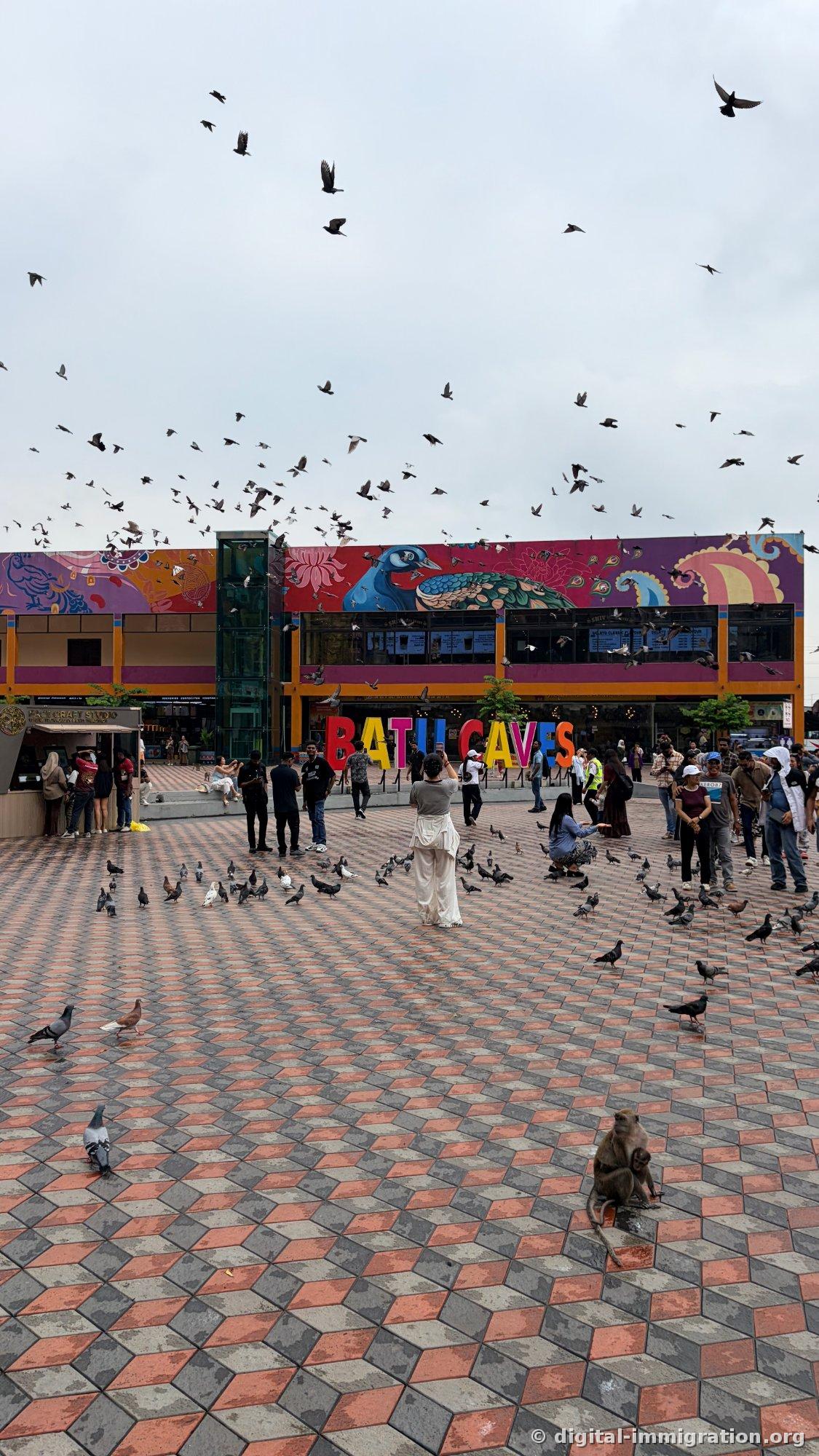
Standing in the entrance plaza, the first impression isn't 'temple' but 'birds.' Pigeons cover the ground as if someone has been feeding them, and the moment you walk past, they all take flight at once, circling overhead. The sound of their wings is louder than you'd expect, and there's a humid air tinged with something like feather smell.
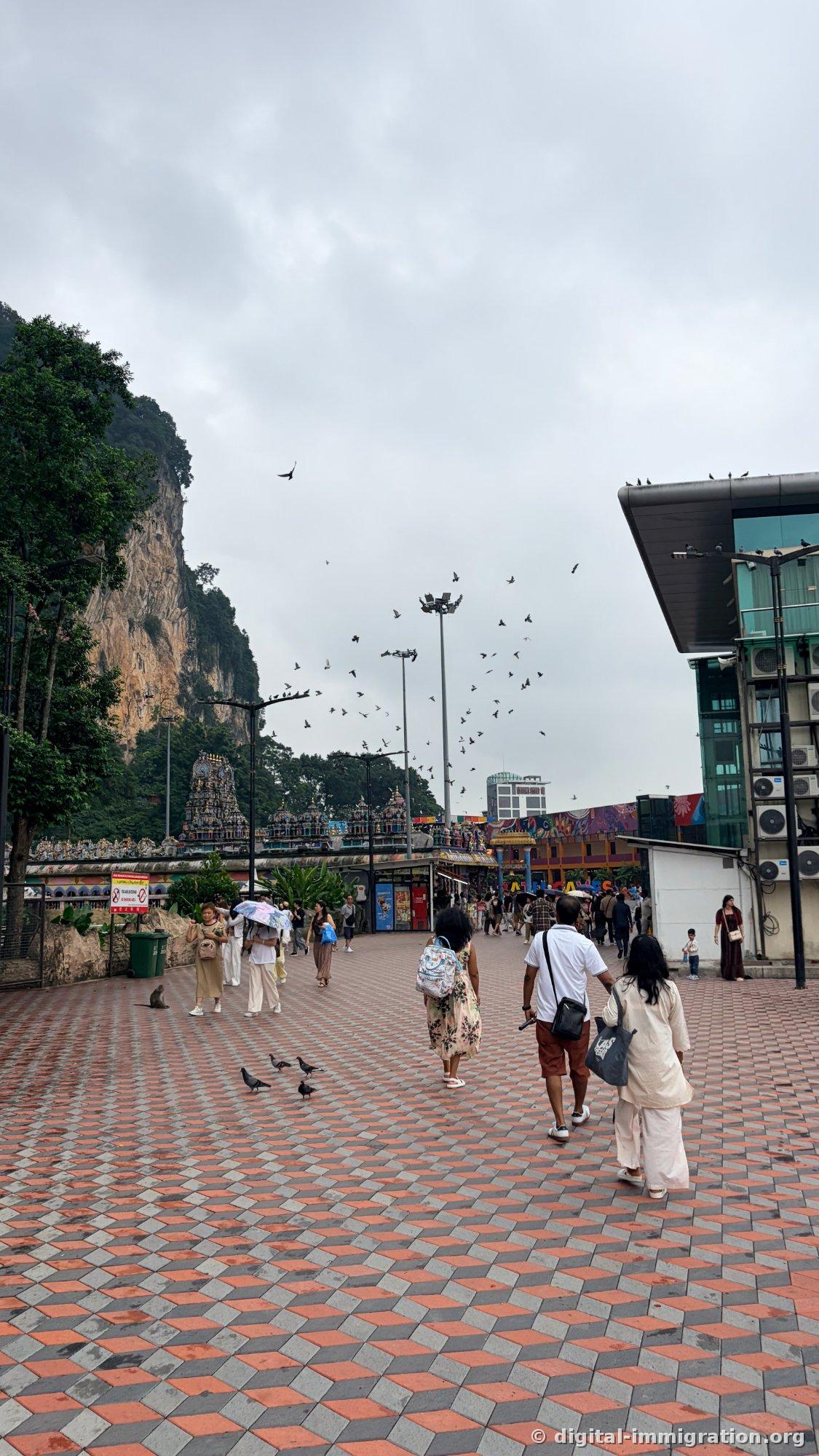
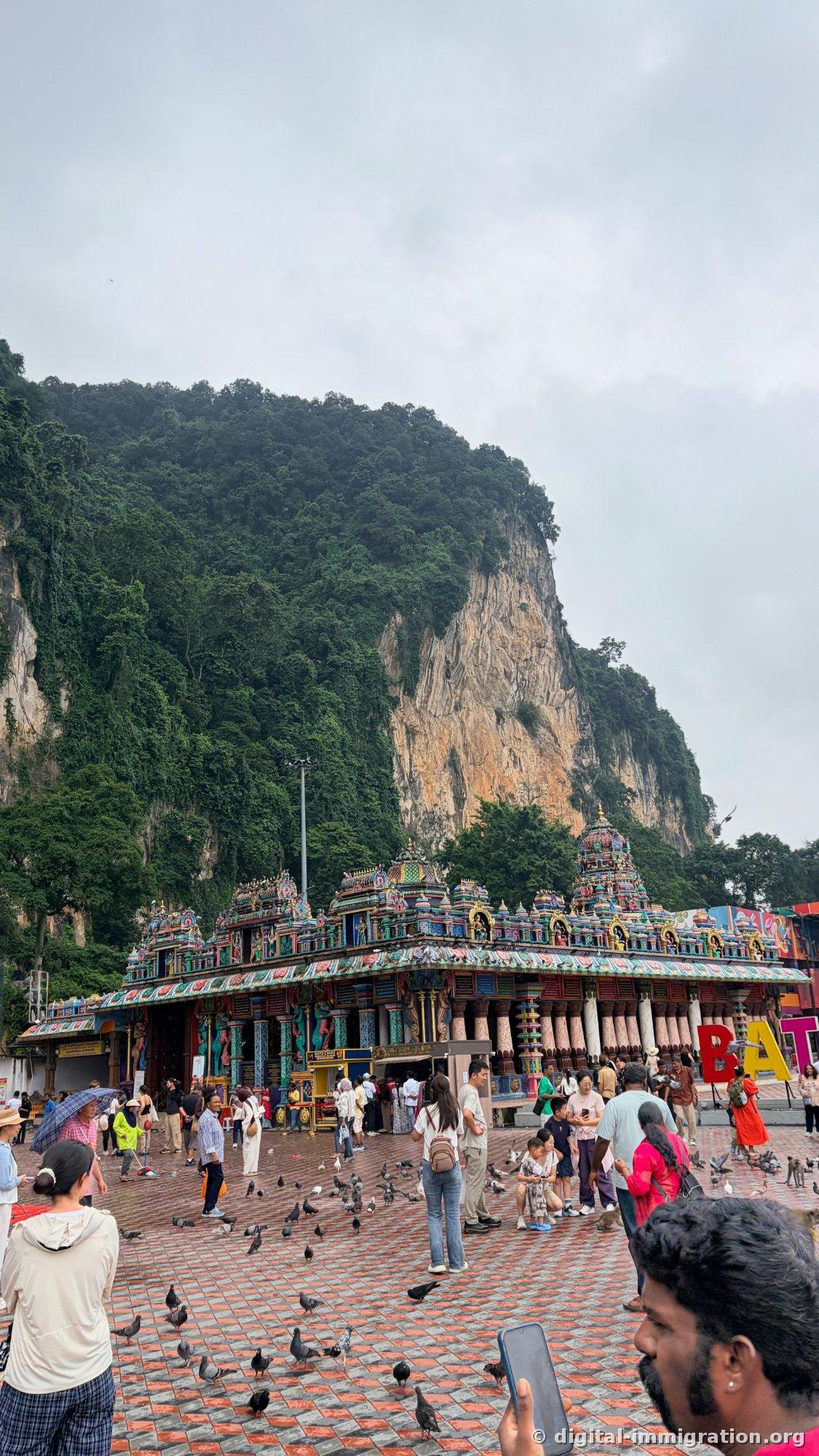
The Cliff Comes First, the Temple Second
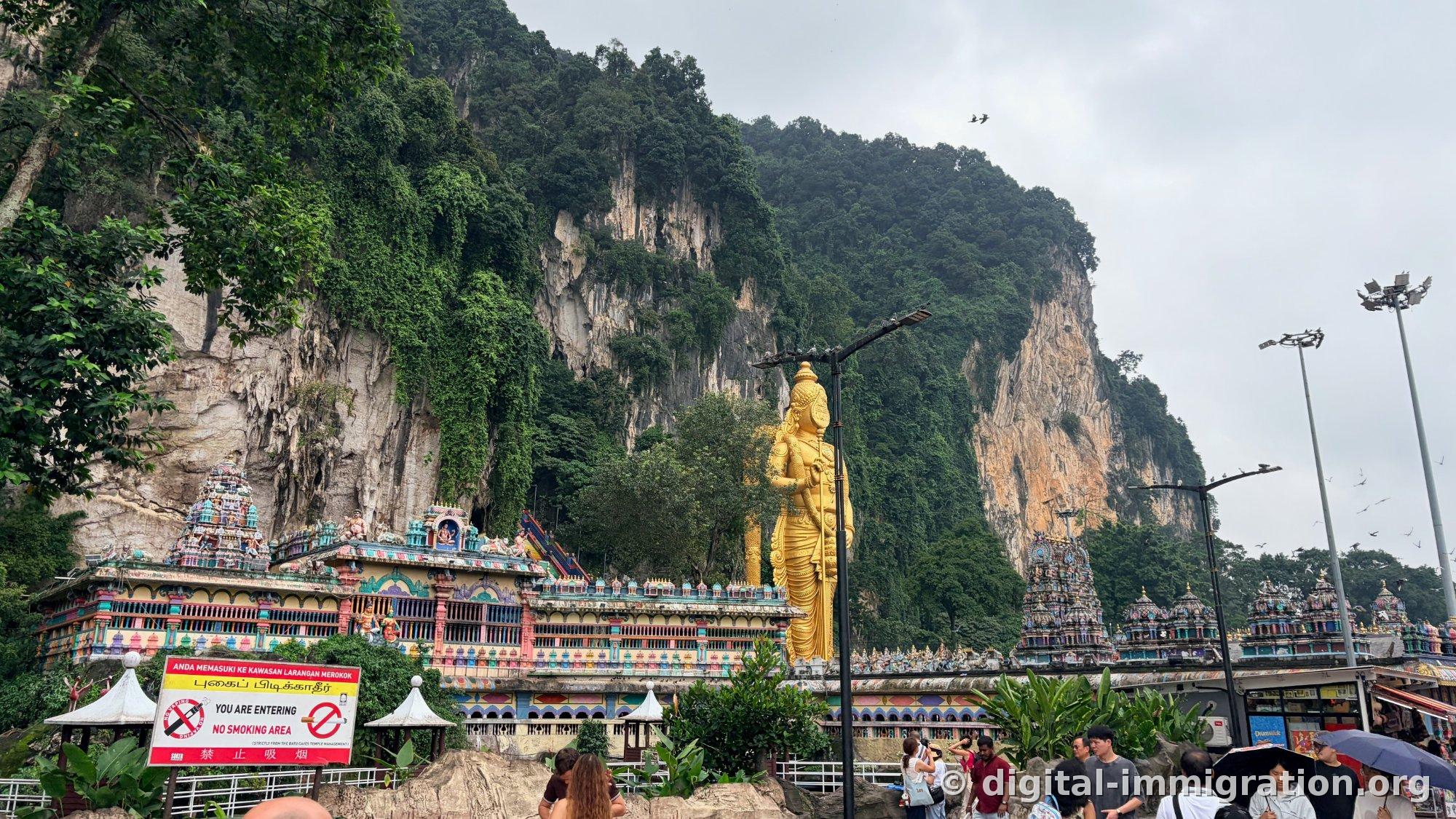
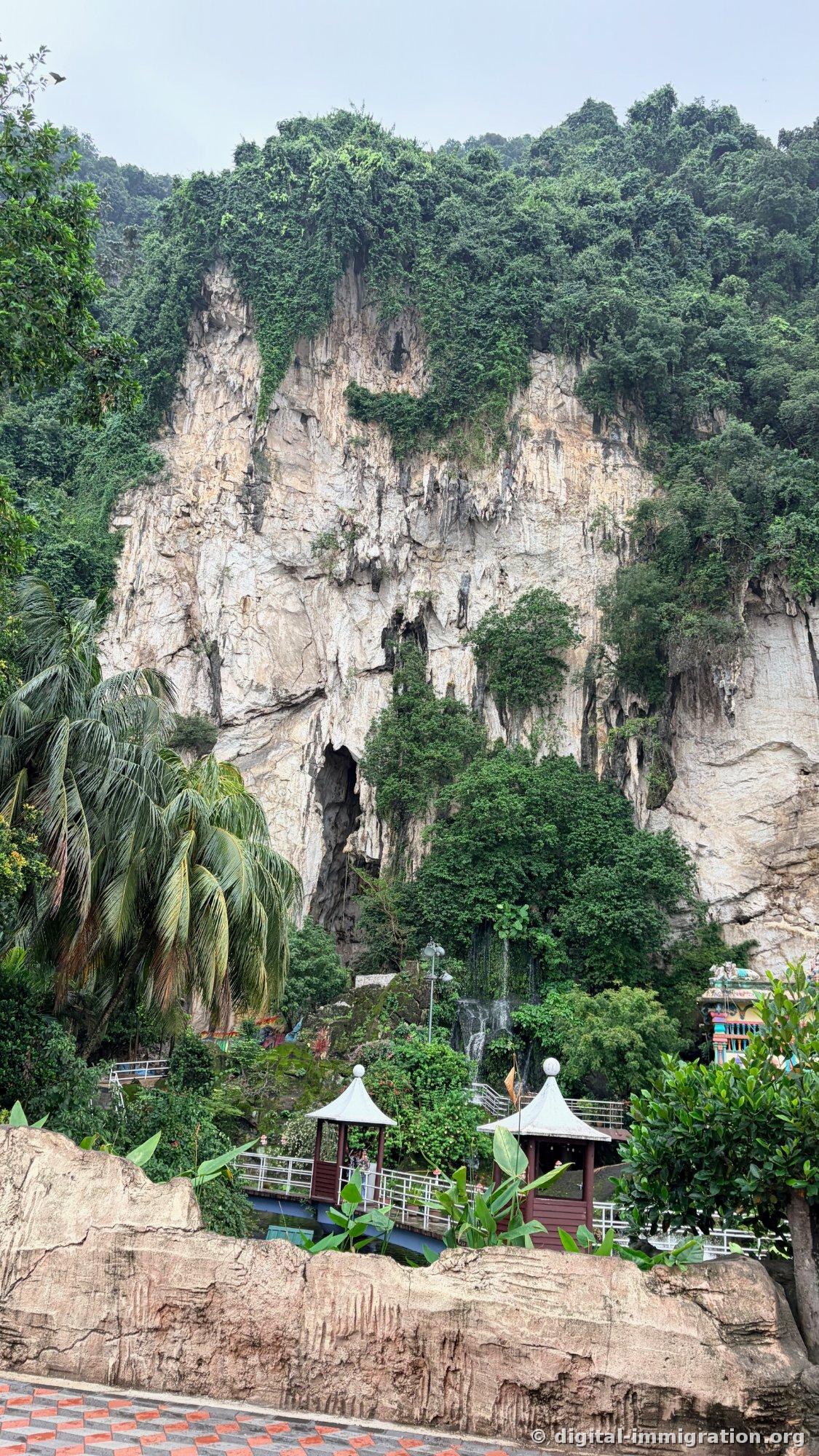
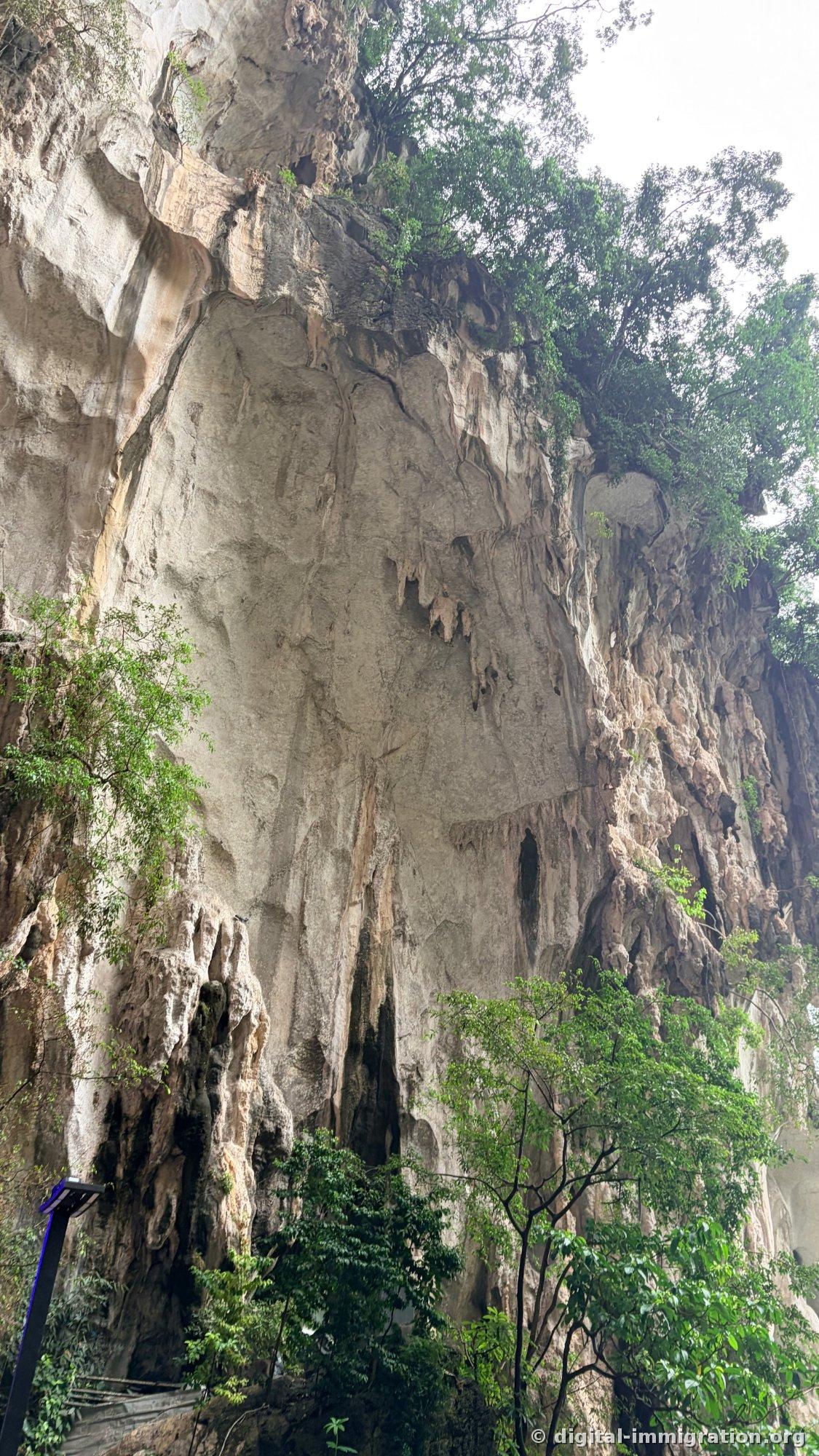
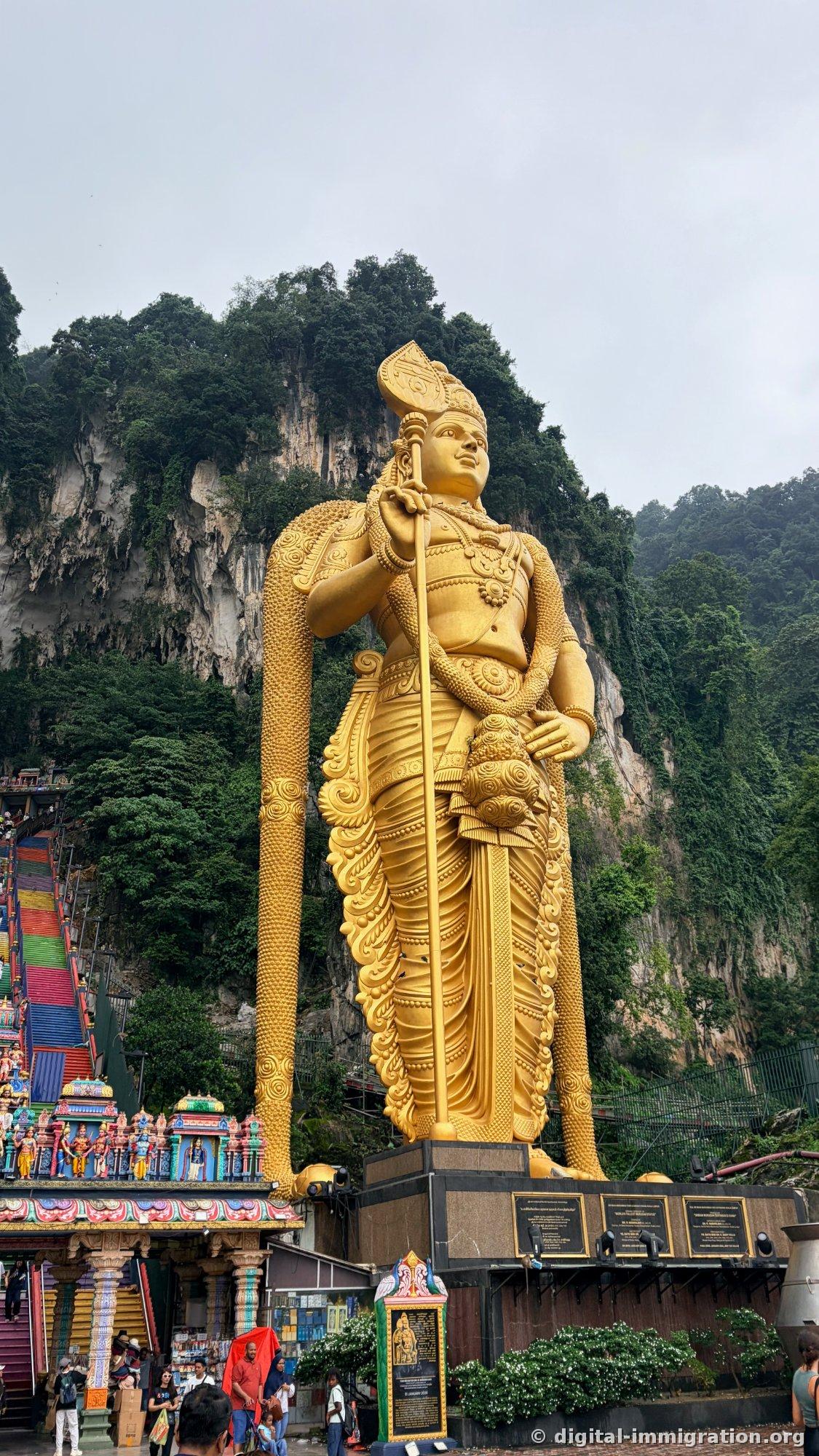
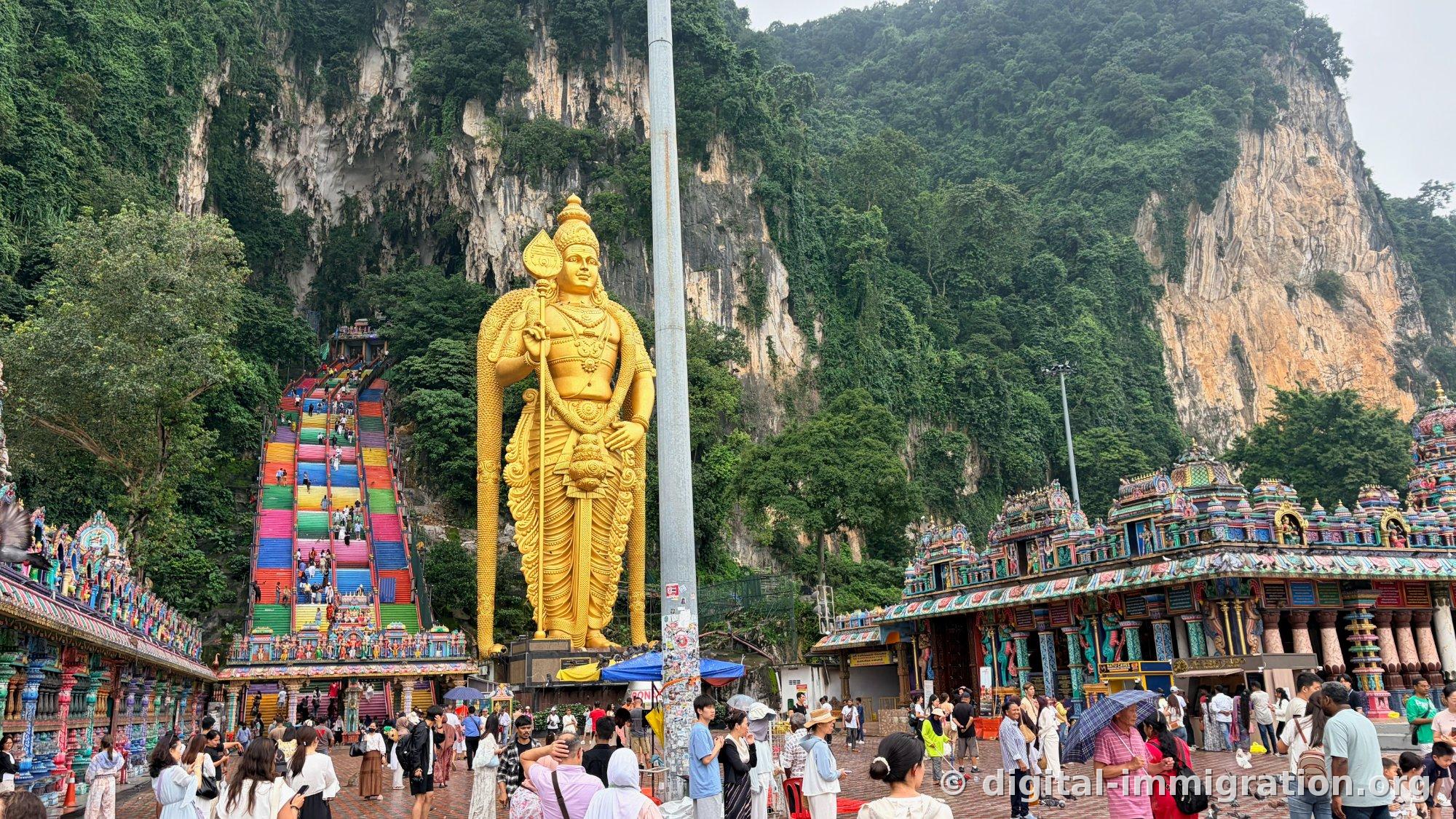
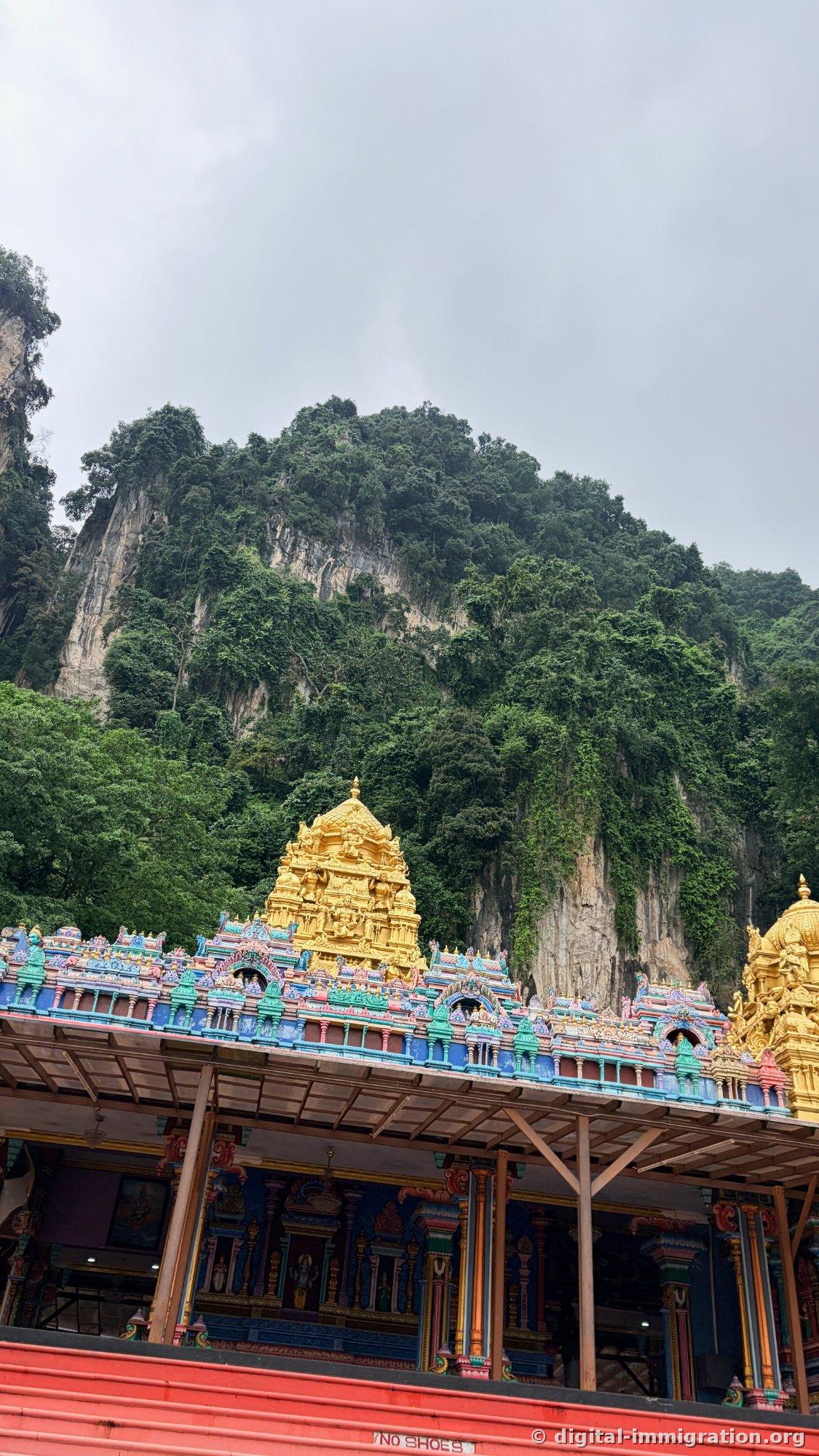
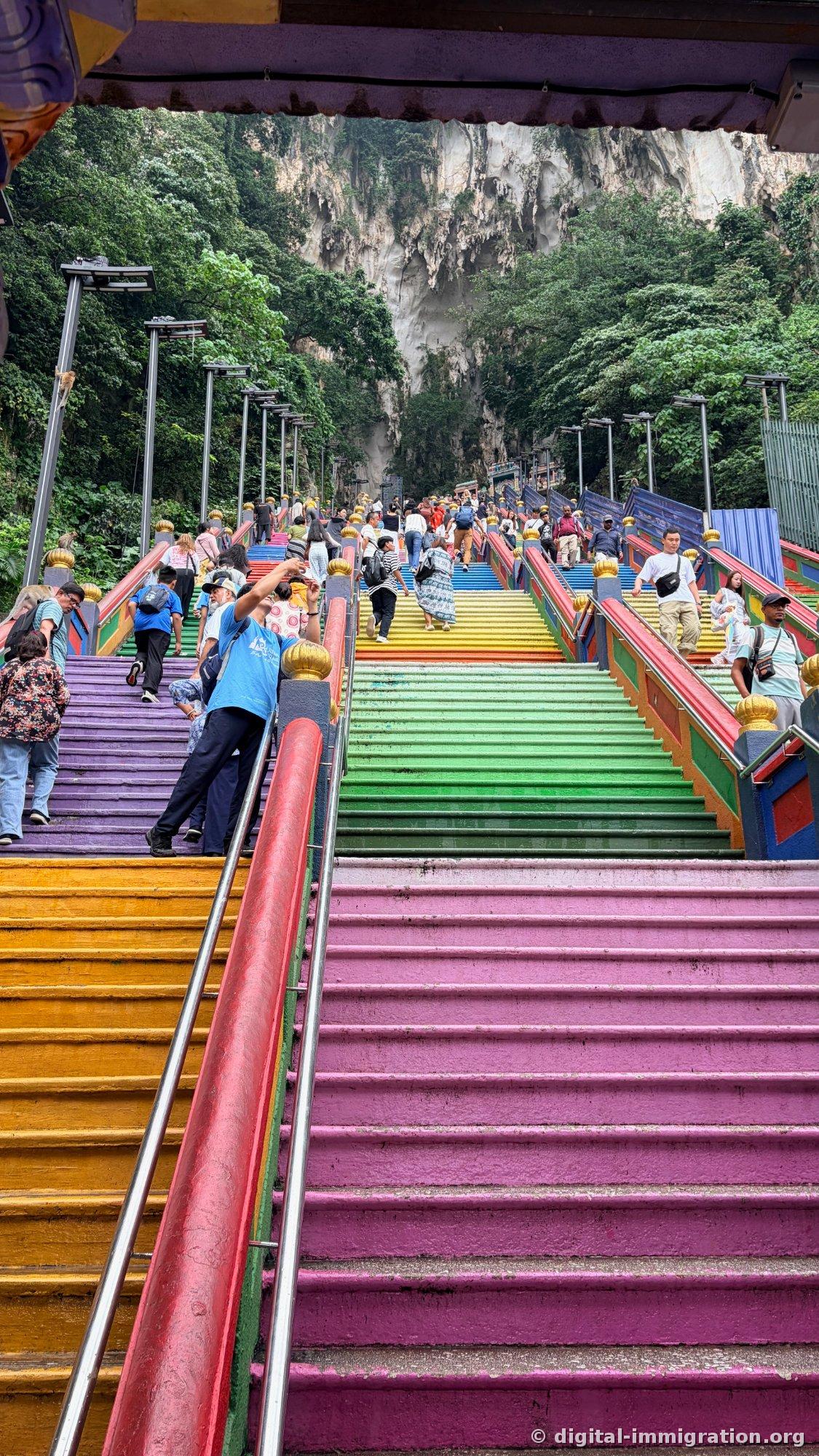
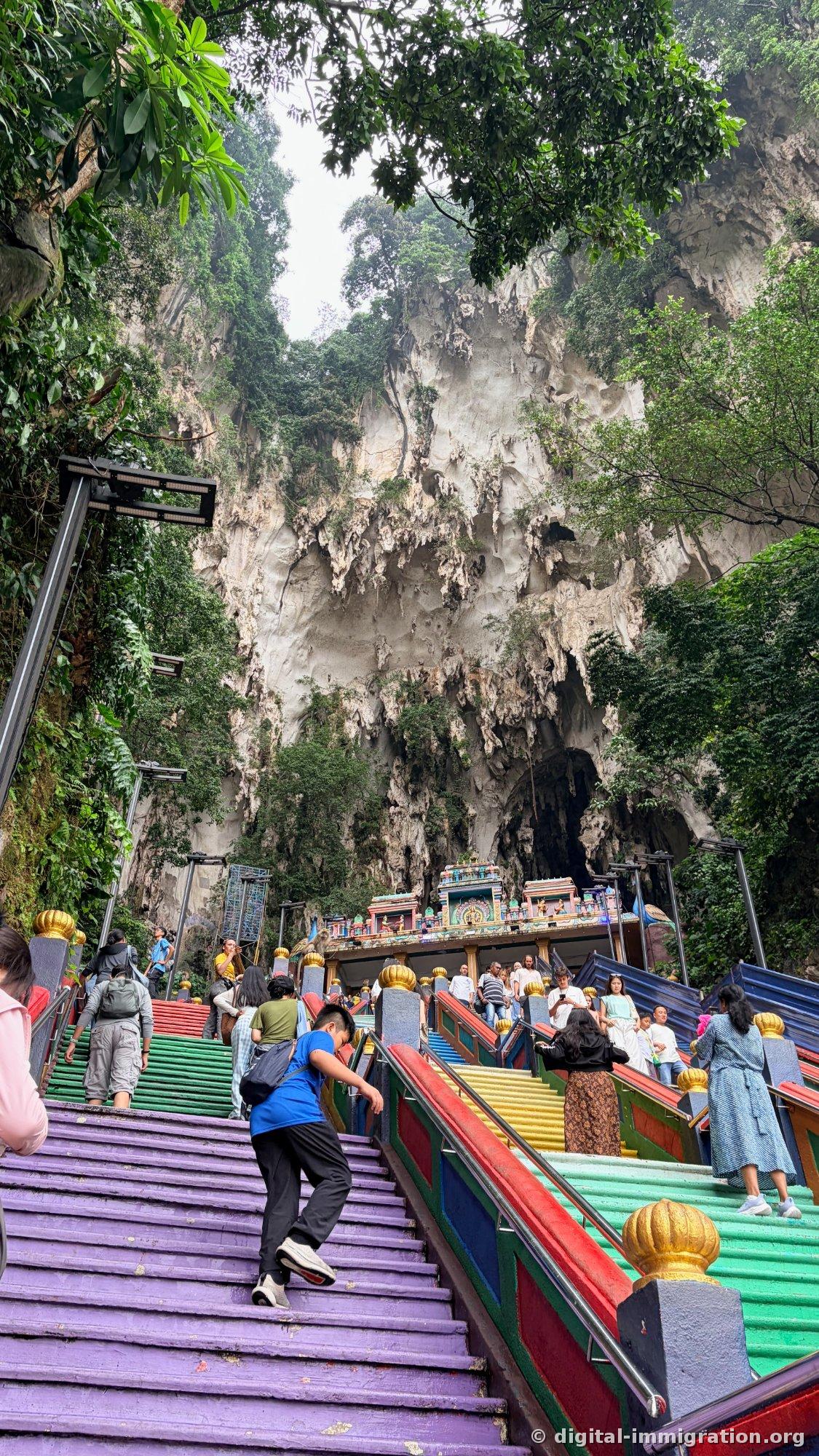
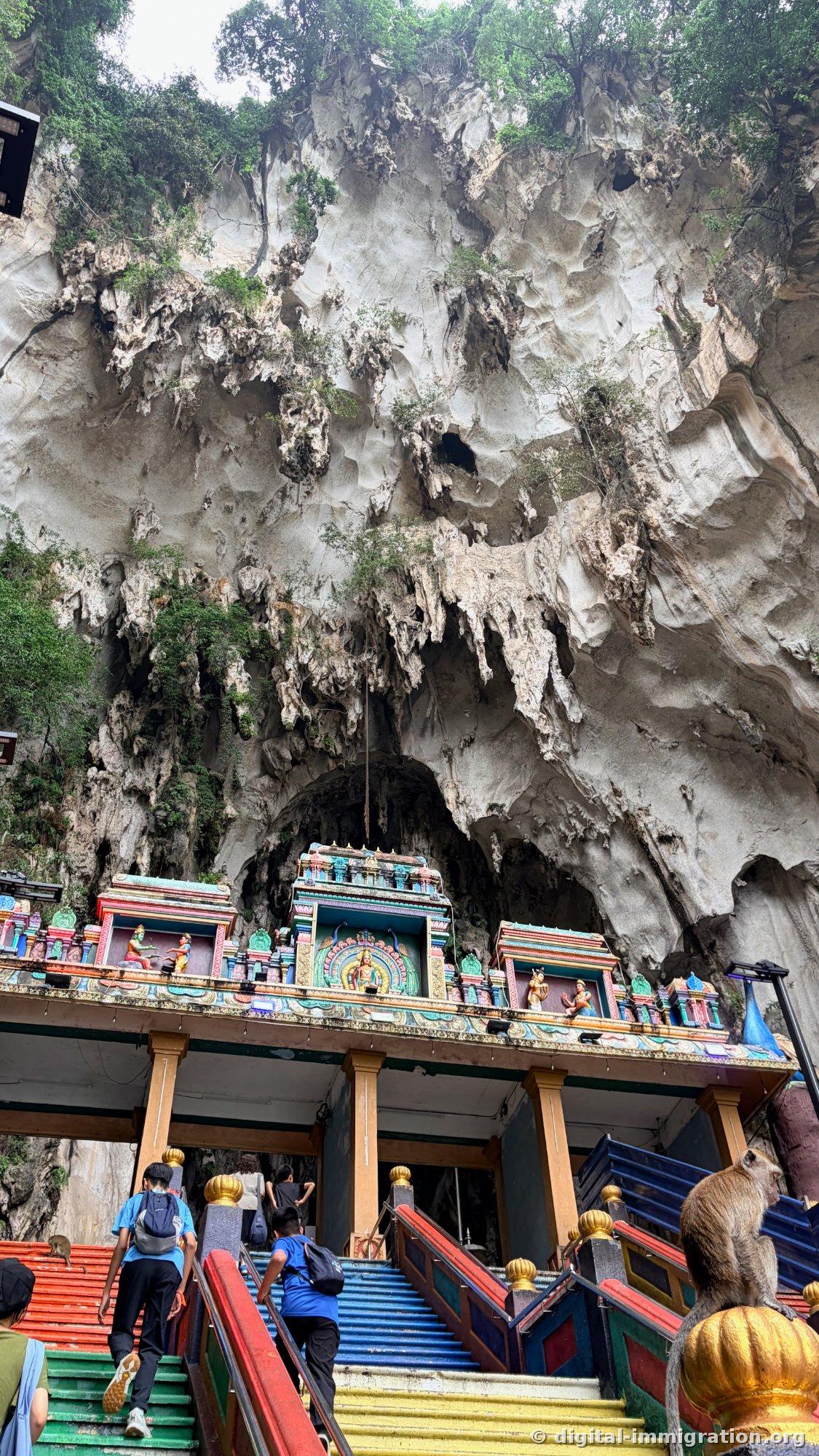
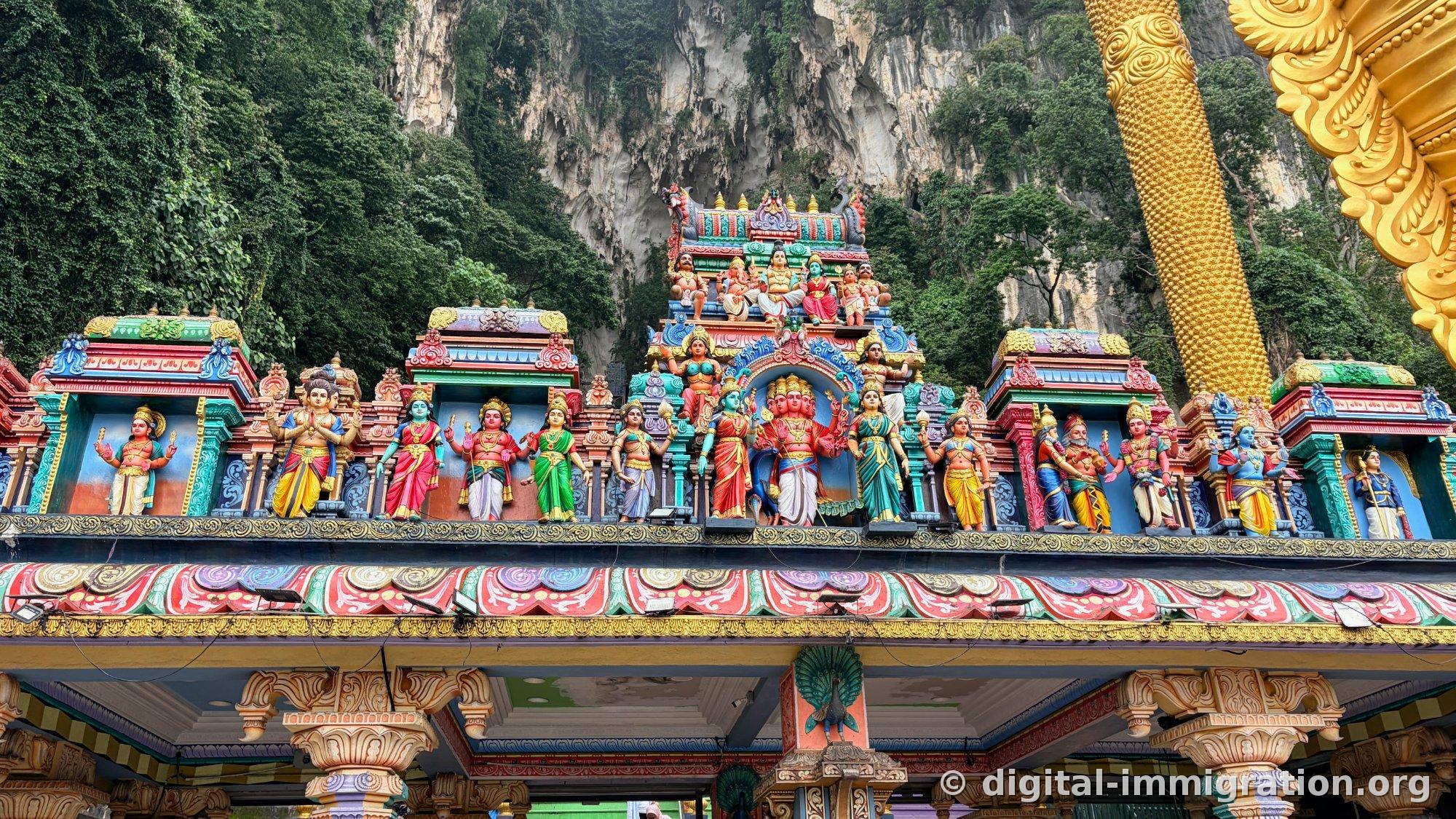
Most first-time visitors just photograph the golden Murugan statue and the rainbow stairs before heading back down. But if you look up, behind them stands a 400-meter limestone karst formation in its entirety. The composition where the cliff recedes in layers beyond the temple roof is one of the best views here, yet people just walk past looking at the stairs.
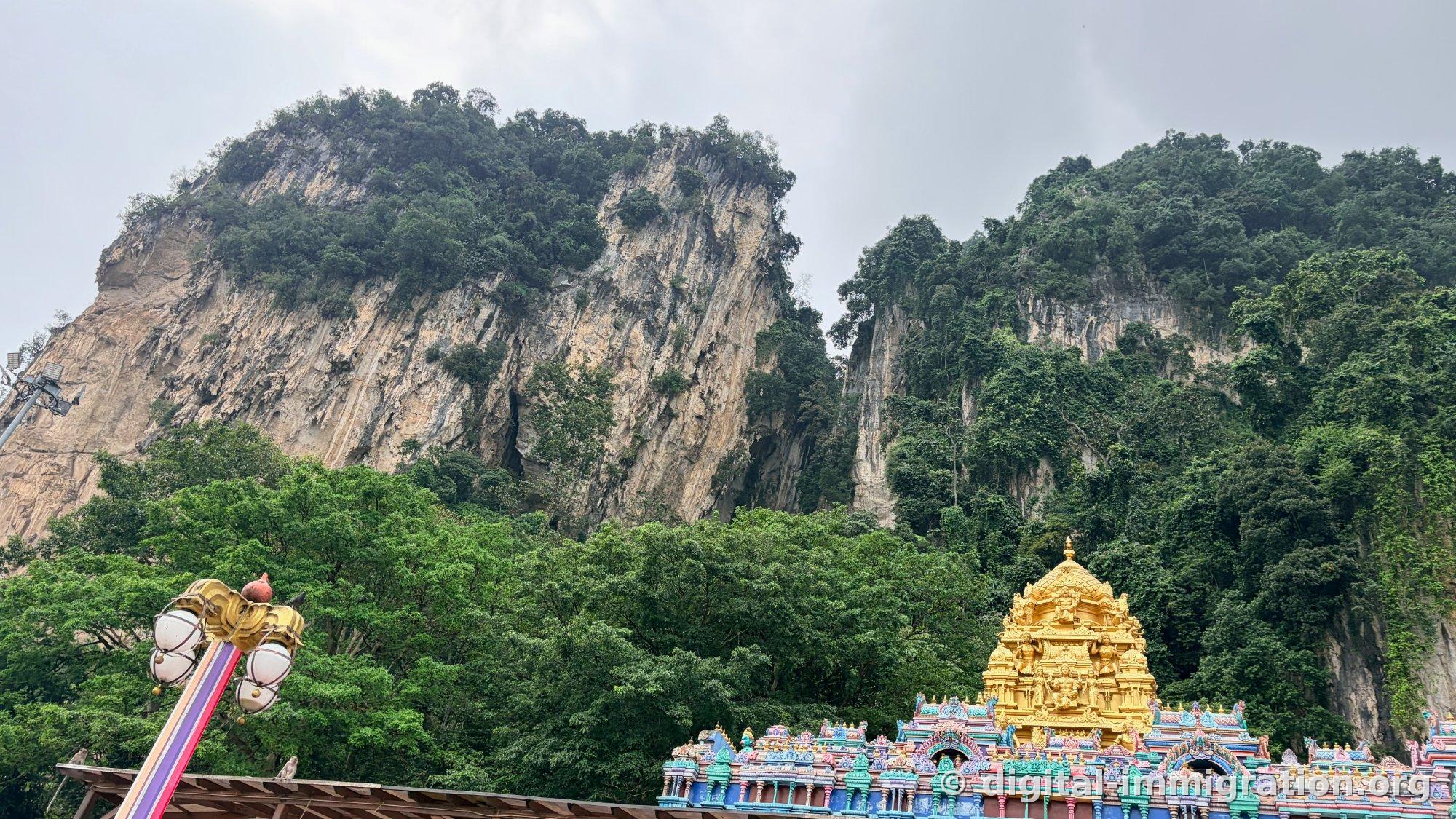
The Golden Murugan Statue and Its Plaza
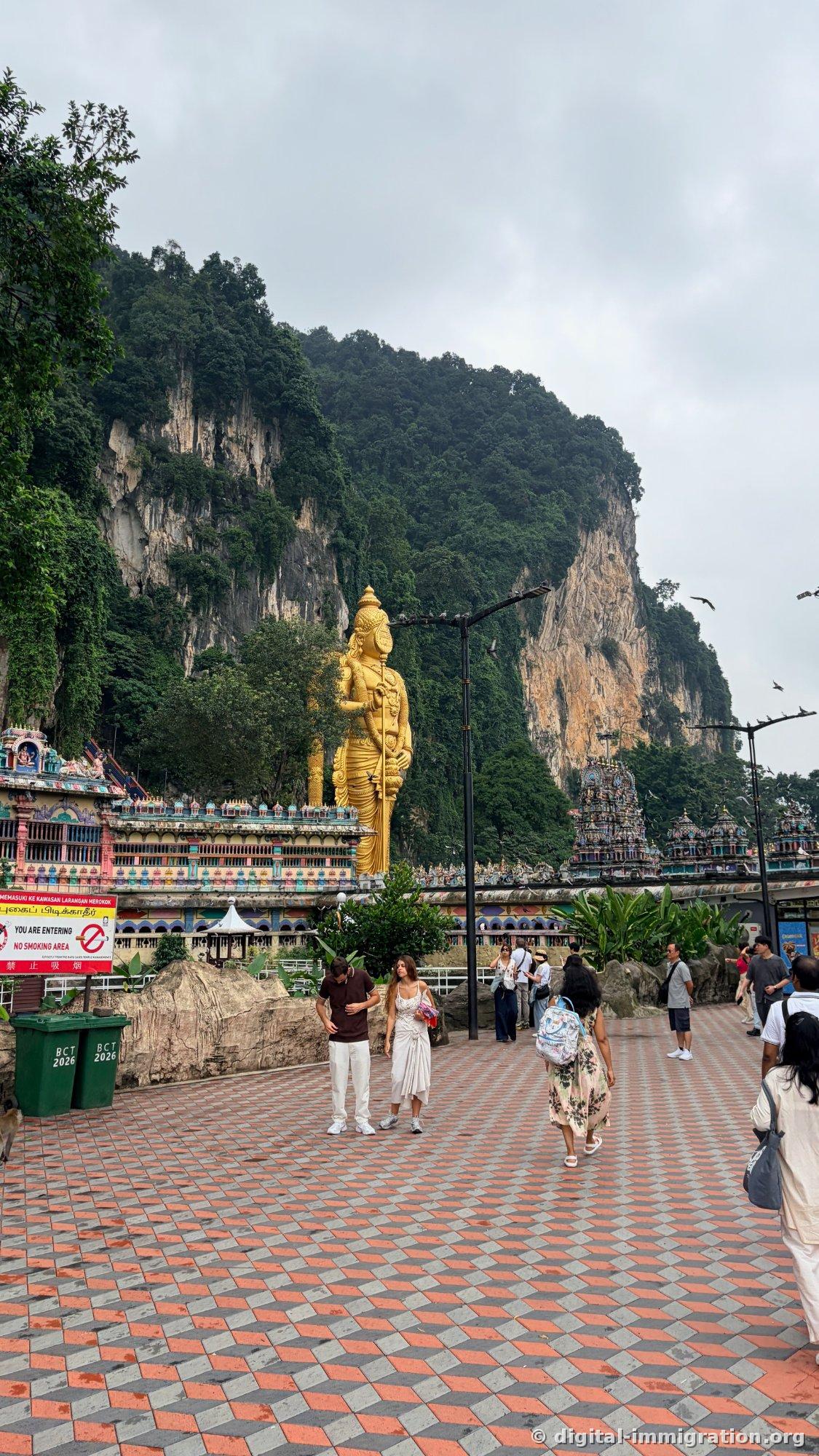
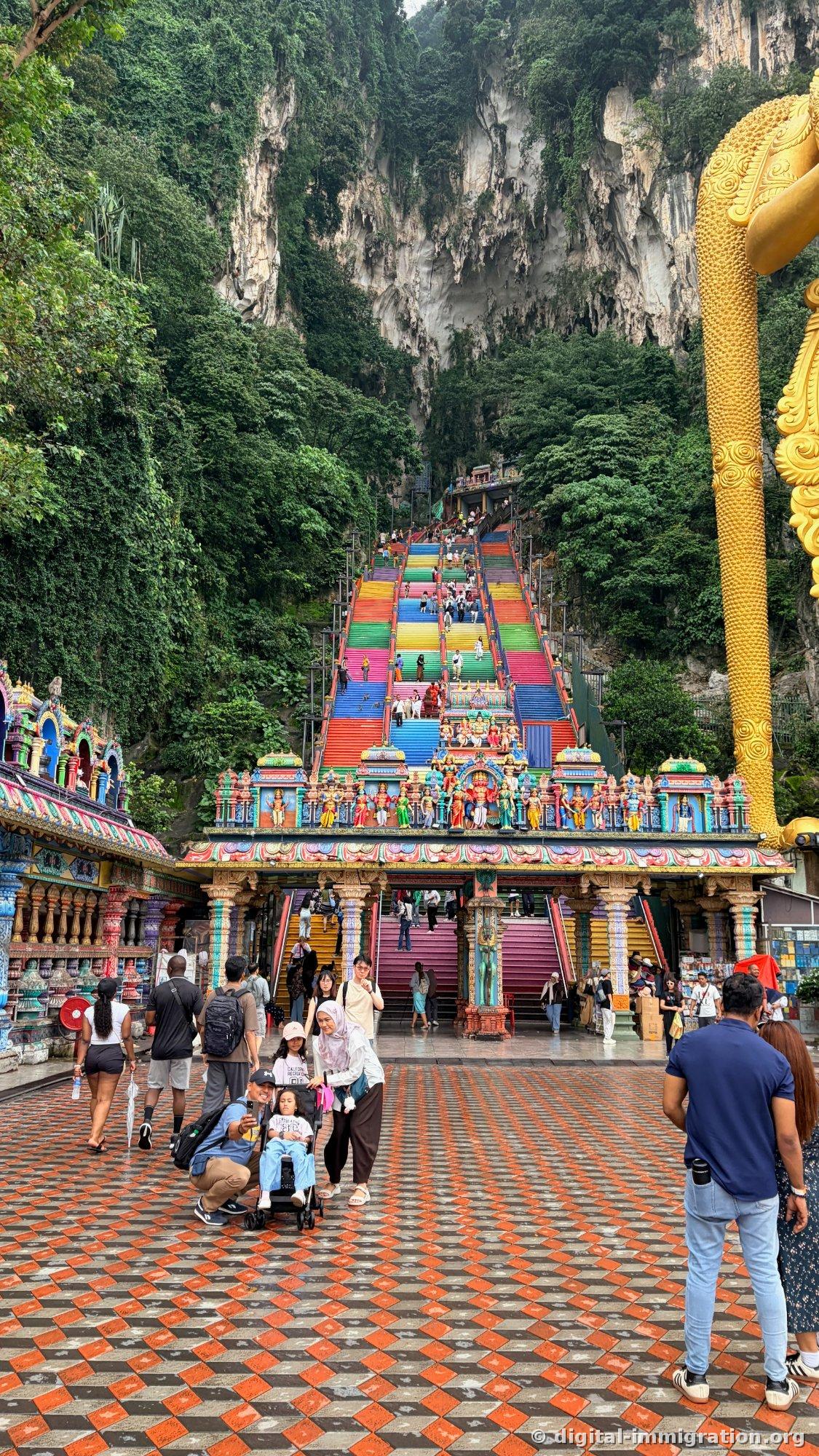
The golden Murugan statue standing to the right of the stairs is known to be 42.7 meters tall. Just hearing the number doesn't give you a sense of it, but standing in front of the real thing, you have to tilt your head back so far it hurts just to see his face. The surface isn't smooth plating but has a fine textured finish that catches the light even on overcast days.
Location and Accessibility — Being at the KTM Terminal Makes It Easy
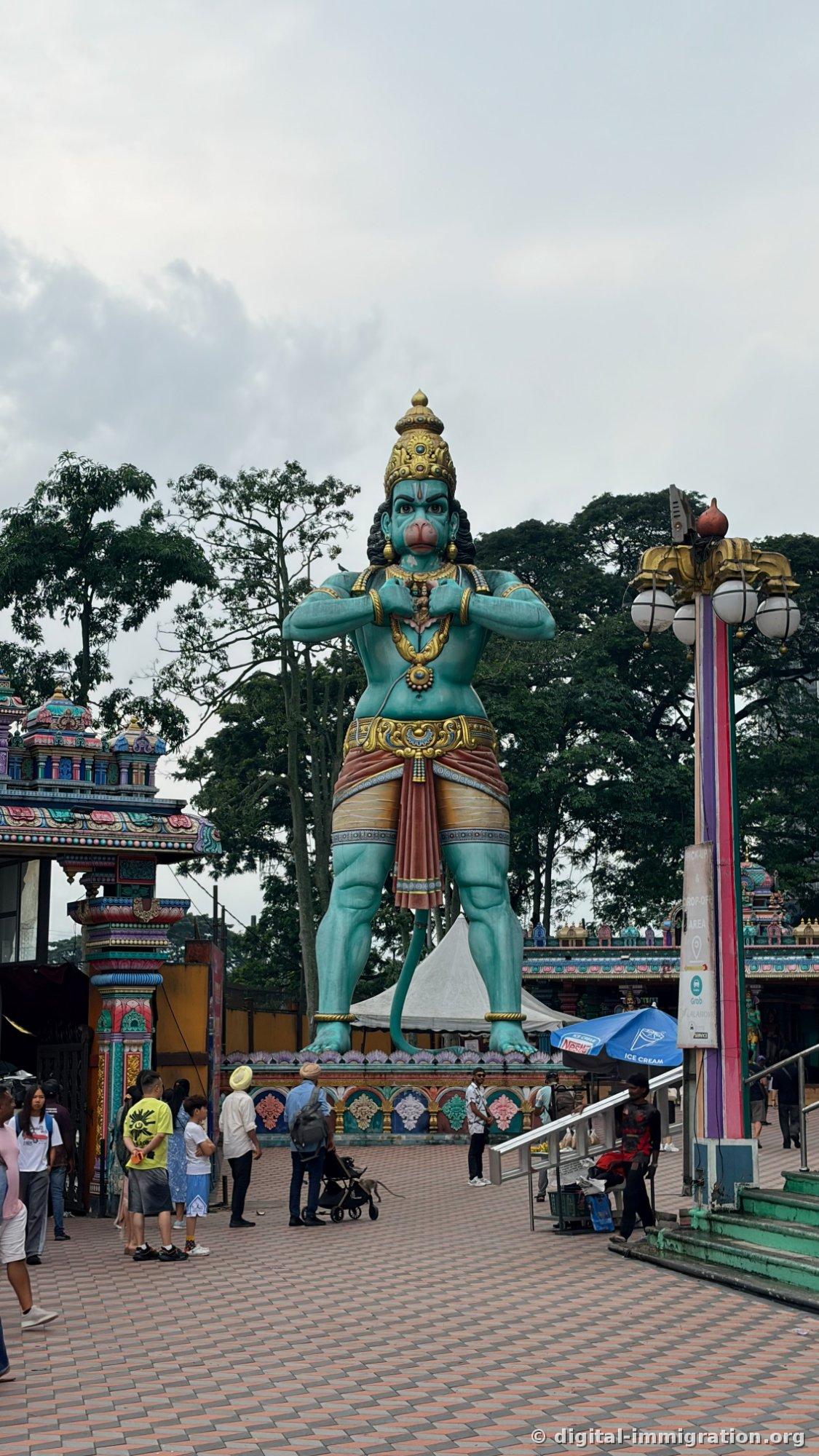
From downtown Kuala Lumpur (KL Sentral), take the KTM Commuter line to Batu Caves station, and you'll arrive at the terminal stop. Since it's the end of the line, you won't accidentally miss it, and it's just a few minutes' walk from the station to the plaza. Fares and schedules change seasonally, so it's safe to check on-site or via the KTM app. If you use Grab, there's a dedicated 'PICK-UP & DROP-OFF AREA / Grab' sign on the right side of the plaza. Large buses and vans line up in the parking lot right next to the plaza, so if you arrive during peak tour group hours, the stairs can get congested.
Monkeys and Pigeons, and the Ground Conditions — Don't Wear Flip-Flops
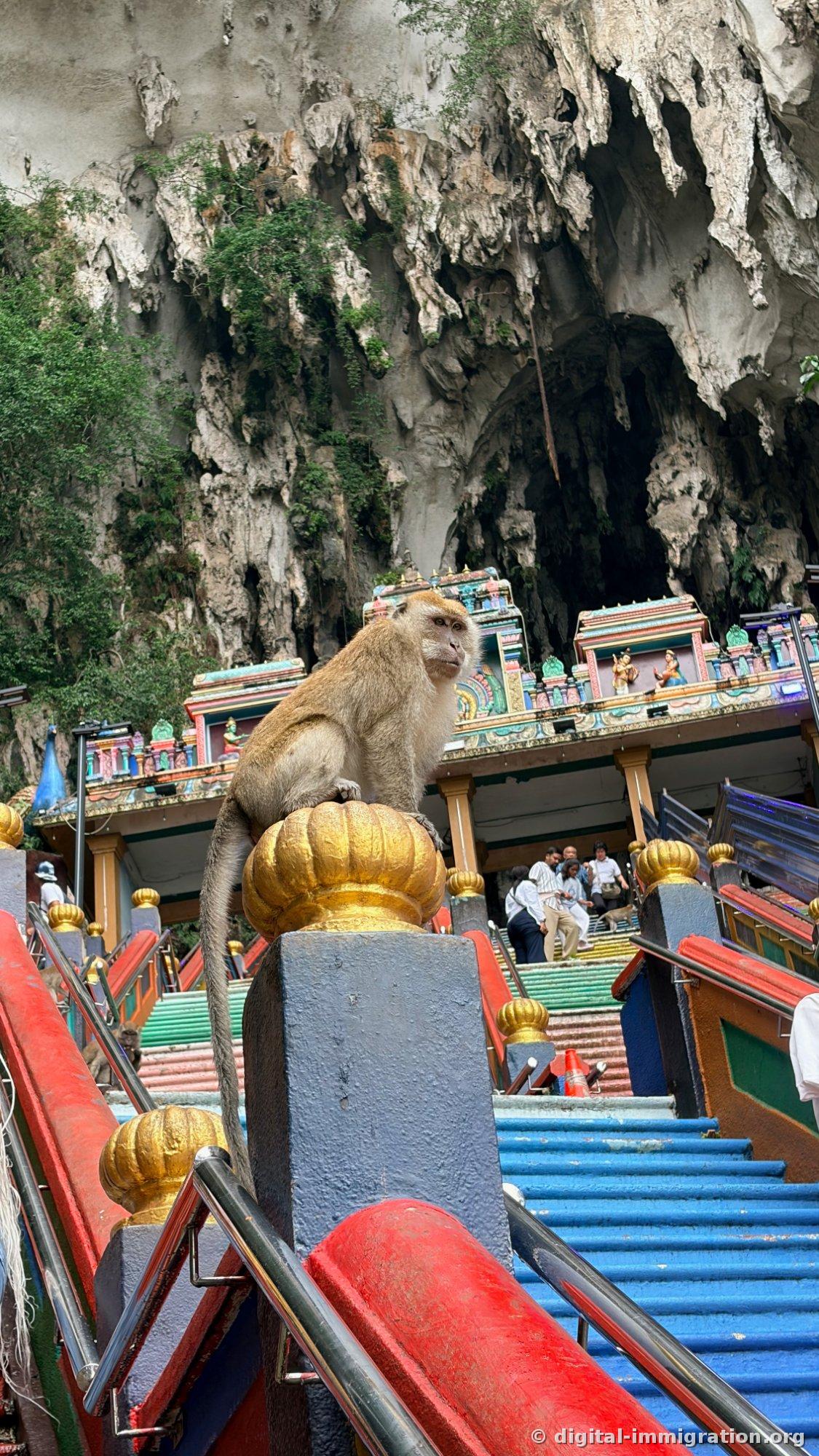
This is the most important part of this article. From the plaza all the way to the top of the stairs, monkeys roam around everywhere. They're eating discarded mangoes on the parking lot tiles, with pigeons pecking at the crumbs beside them. They're not afraid of people at all. If you're carrying plastic bags or snacks, they'll recognize them as food, so it's better to keep anything in your hands inside your bag.
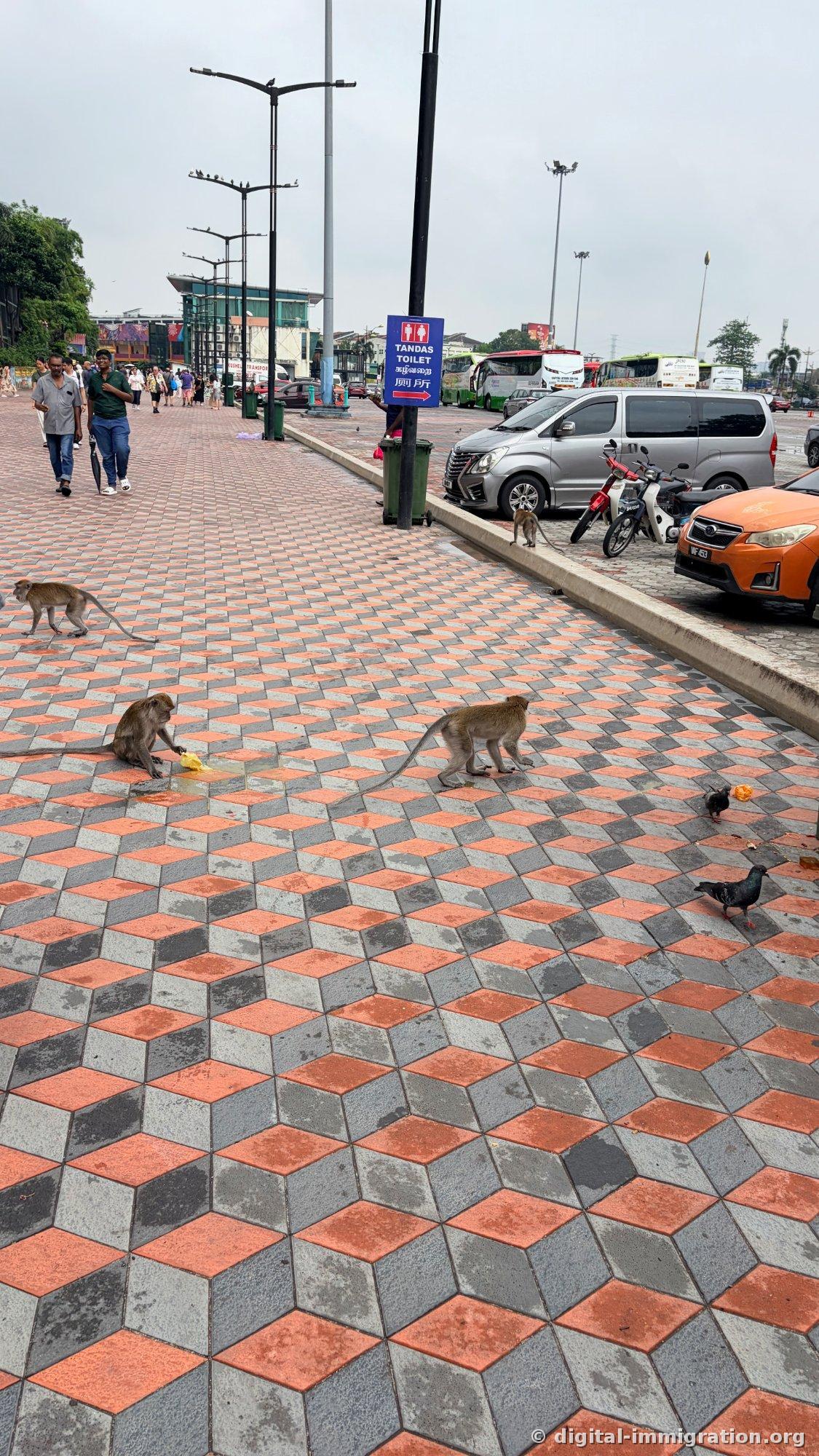
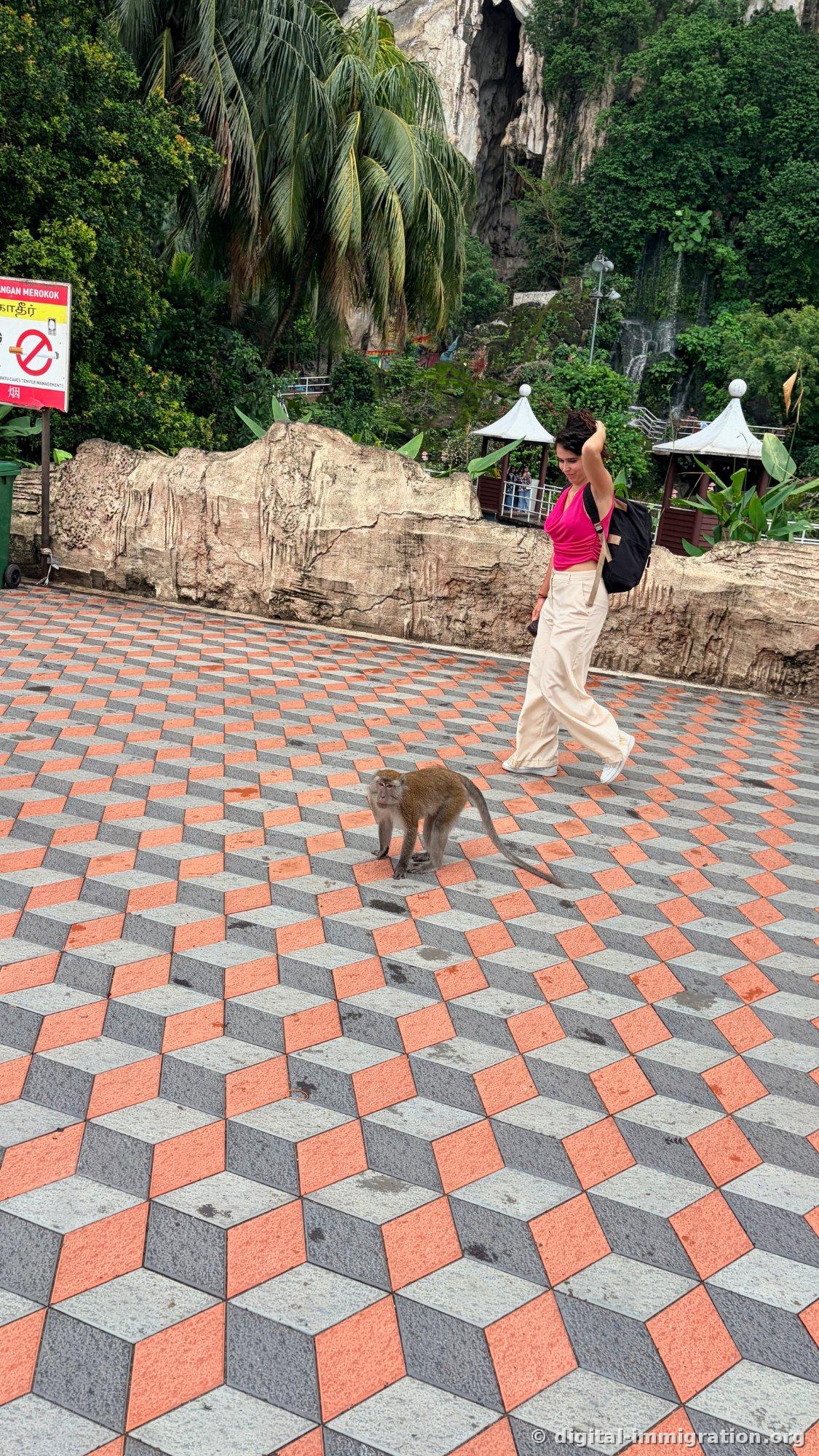
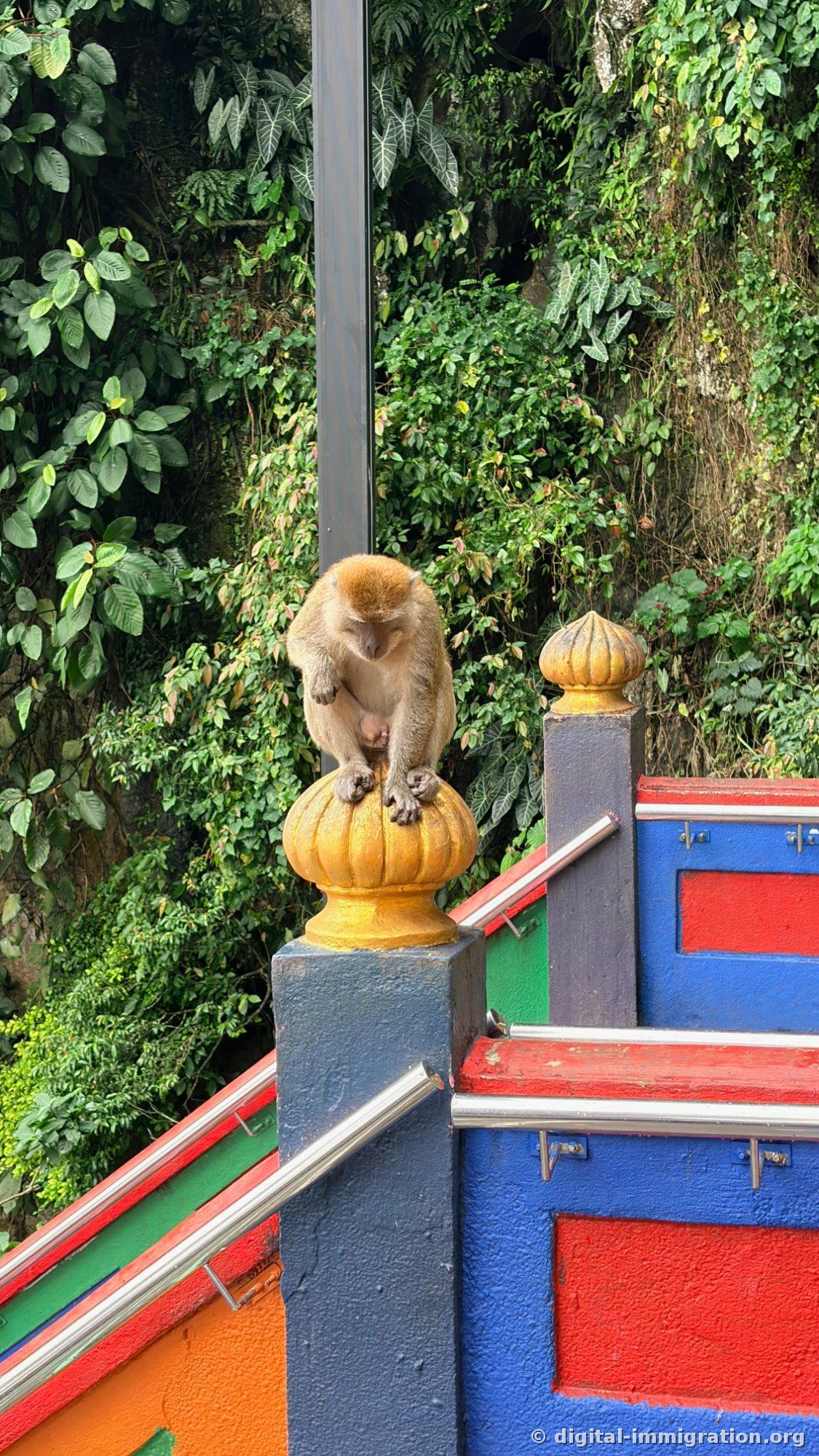
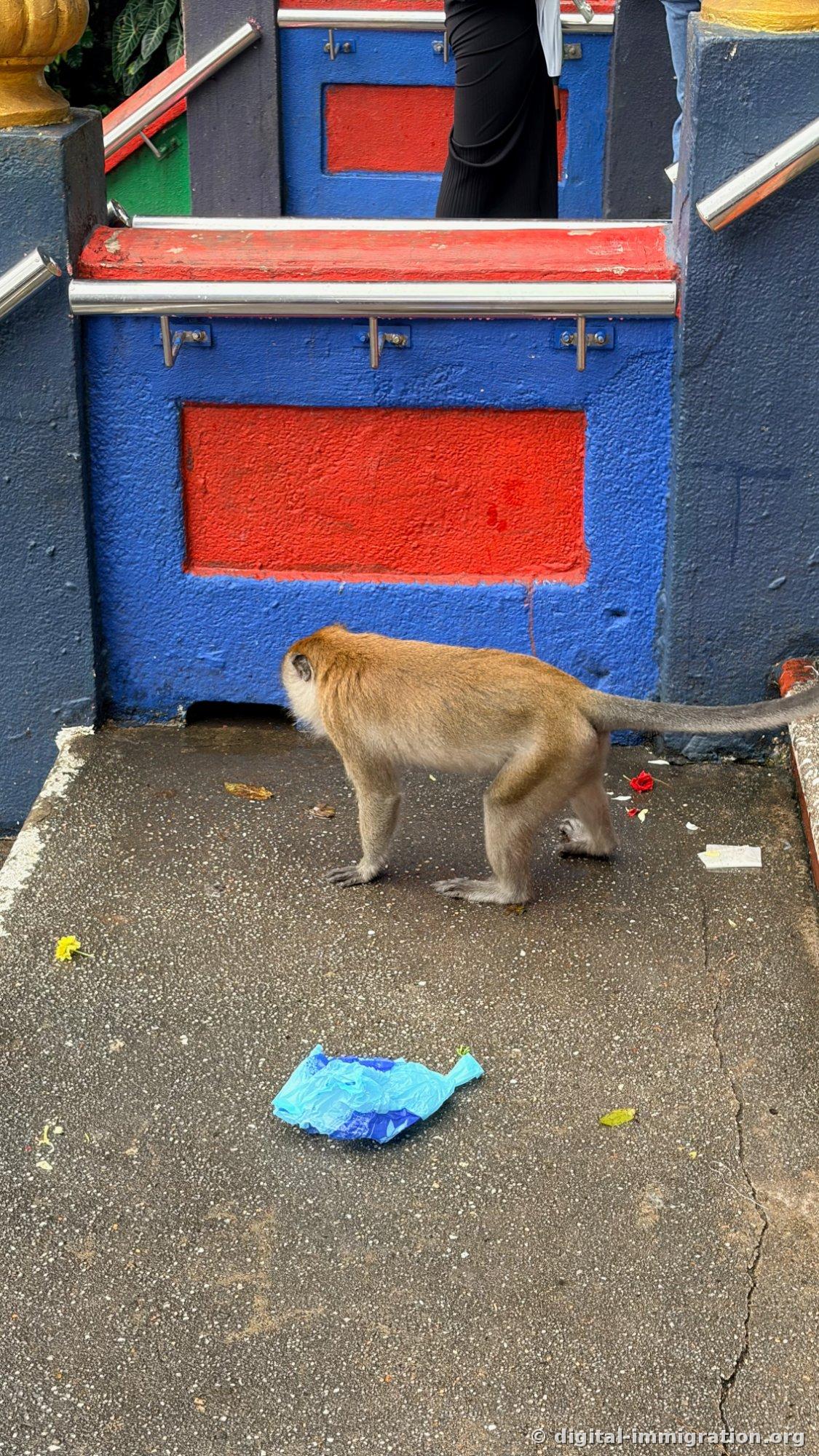
These photos aren't exaggerated. Since this is a high-rainfall area, the stairs and plaza are always wet, and mixed with monkey and pigeon droppings, the ground is messier than you'd think. When that filth spreads thinly over the moisture, it becomes slippery. That's why flip-flops and sandals are really not recommended. Climbing down 272 steps in open-toed shoes means everything you step in and everything that splashes comes right up to your feet. Sneakers with good grip are the answer. Note that there's a 'NO SHOES' area marked near the stair entrance — check the signs to see whether you need to remove your shoes for the sacred shrine areas.
Оформить Цифровая карта прибытия (MDAC)
The 272 Steps — Narrow, Steep, and Full of People Coming the Other Way
The stairs are incredibly numerous and narrow. Painted in rainbow colors, they look beautiful in photos, but in reality they're narrow and the risers are high. The grade gets steeper as you go up, and the middle passage is packed with people going both directions. I got stuck behind a tour group halfway up for a while. There are stainless steel handrails on both sides, so especially when coming down, always hold the railing. If your feet slip on the wet stairs even once, there's nothing to grab onto.
The Reward Is Worth the Climb
Just when you're breathless and regret everything, you turn around and there it is. Looking south from the stairs, Kuala Lumpur's cityscape spreads out hazily, and right below you take in the plaza, highway interchange, and tourist buses in the parking lot all at once. The composition where the back of the Murugan statue overlaps with the downtown skyline is a shot you absolutely can't get from below.
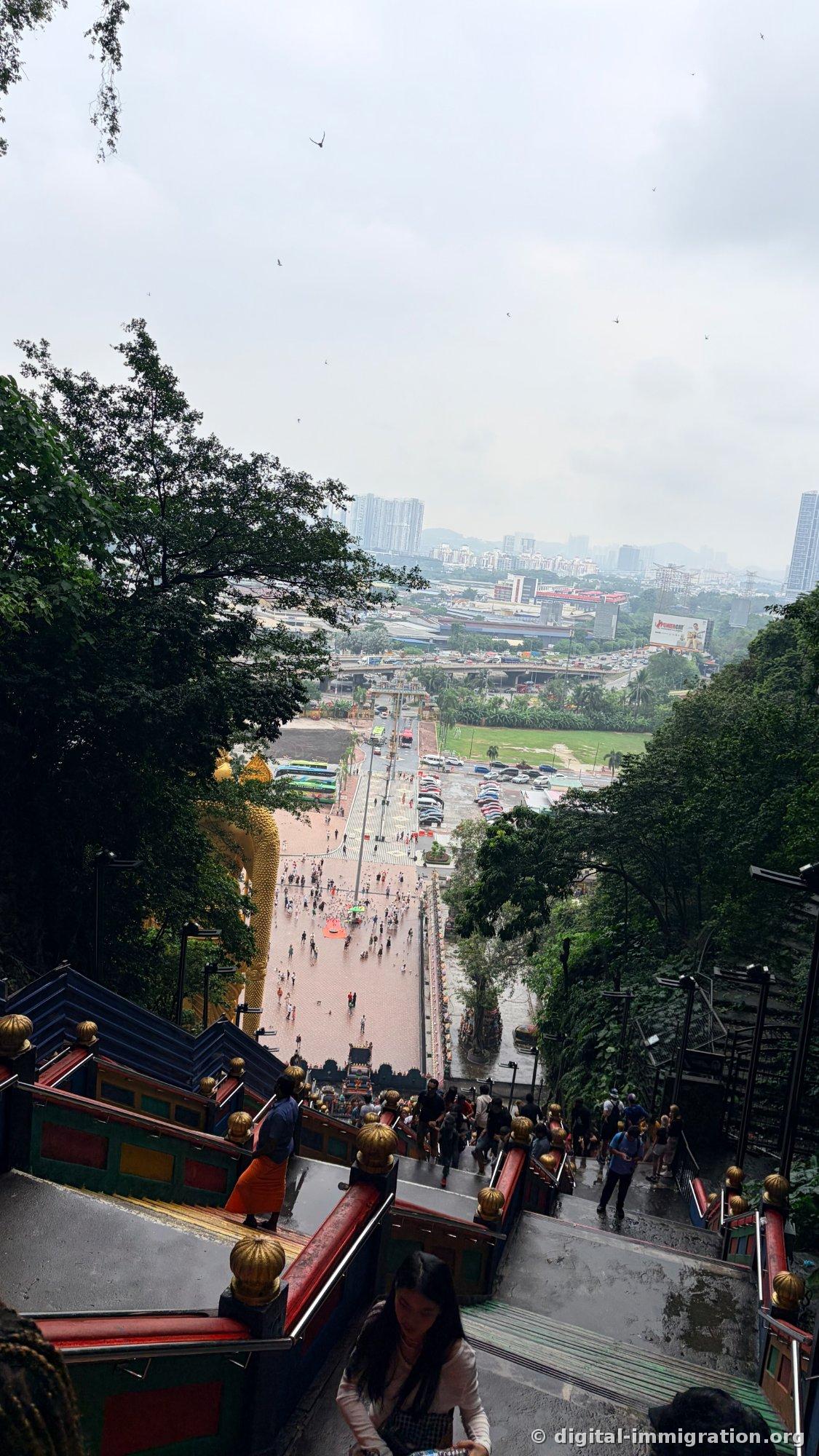
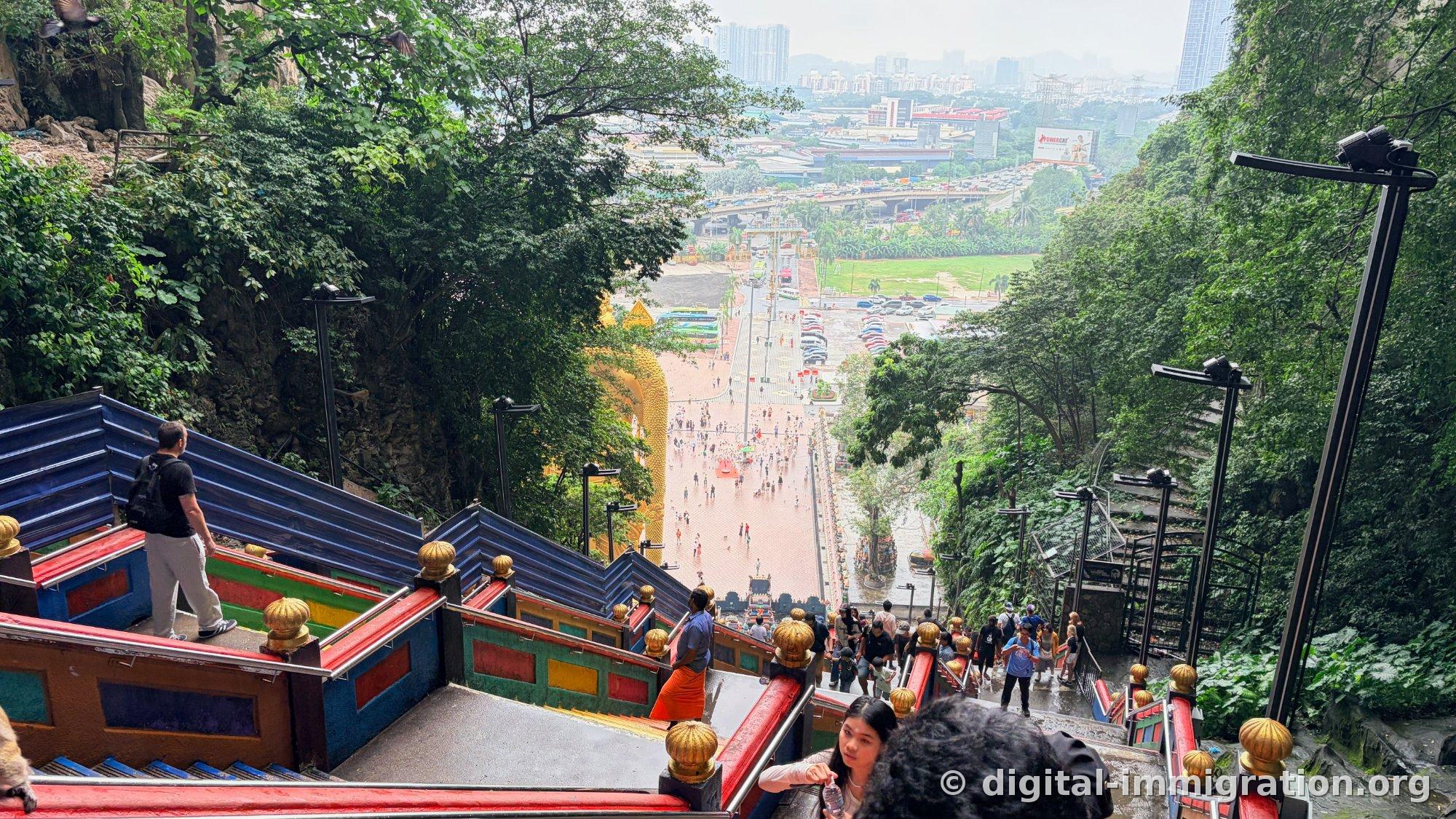
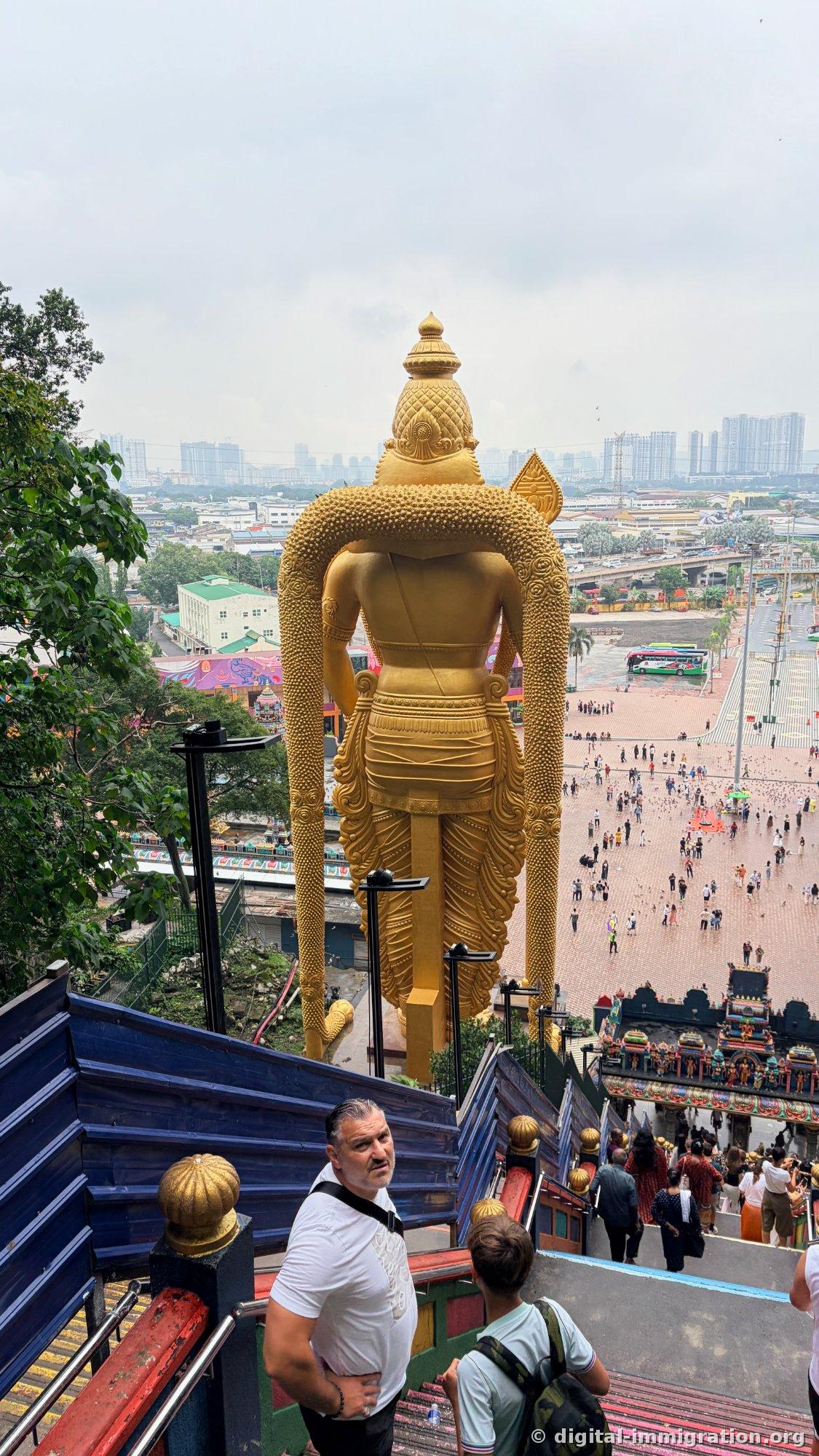
The Cave Is Enormously Vast — This Is the Main Event
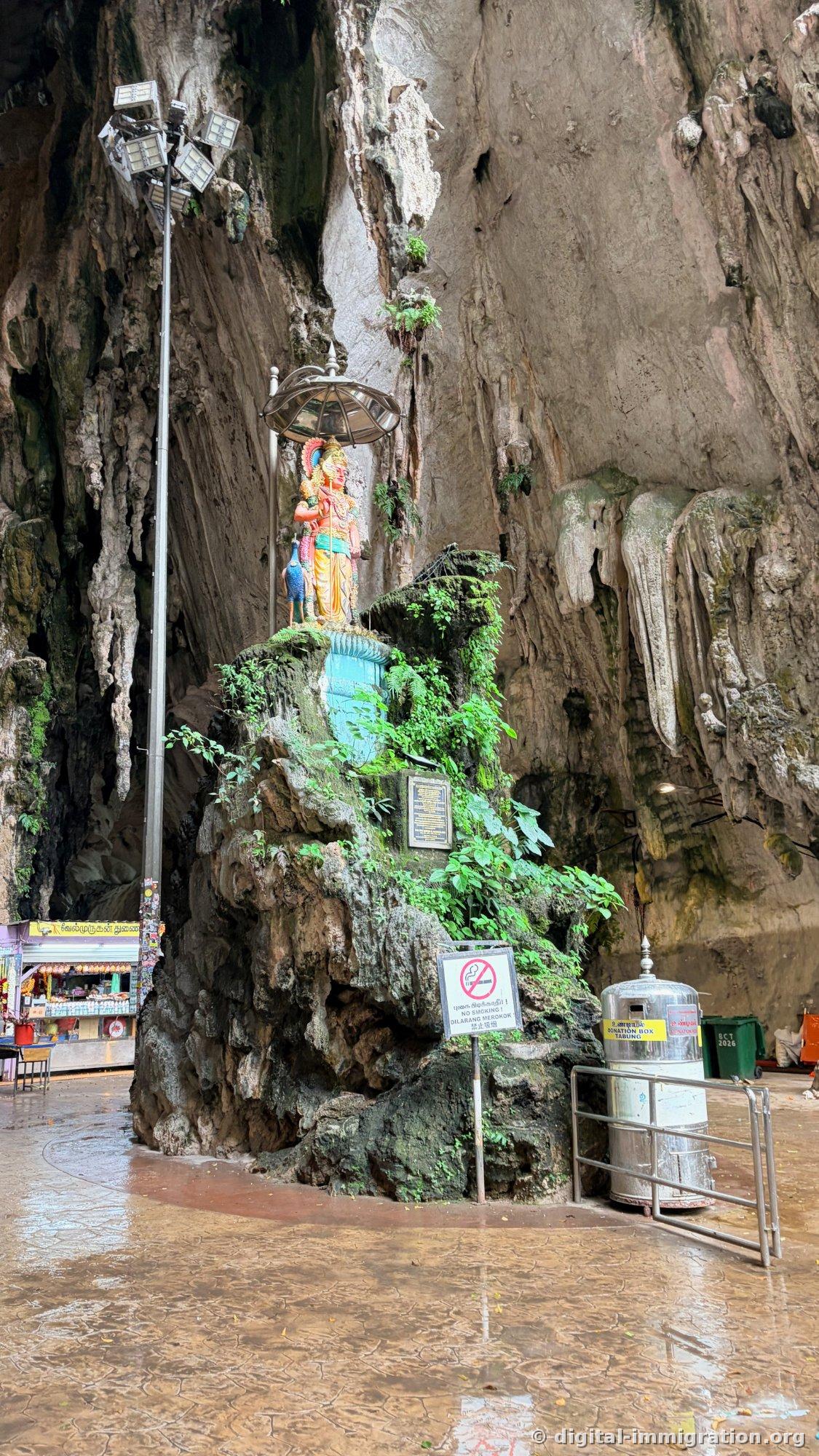
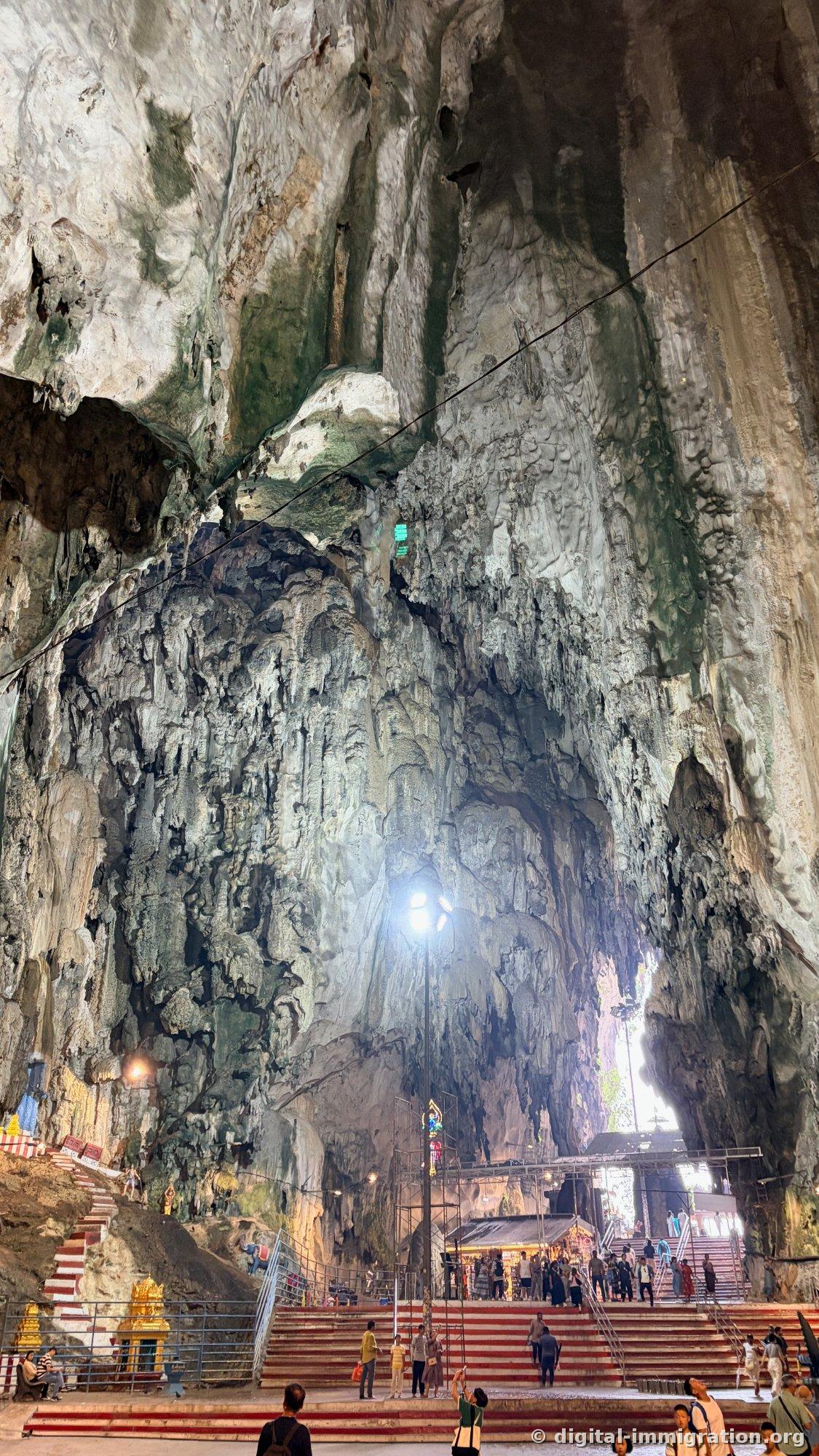
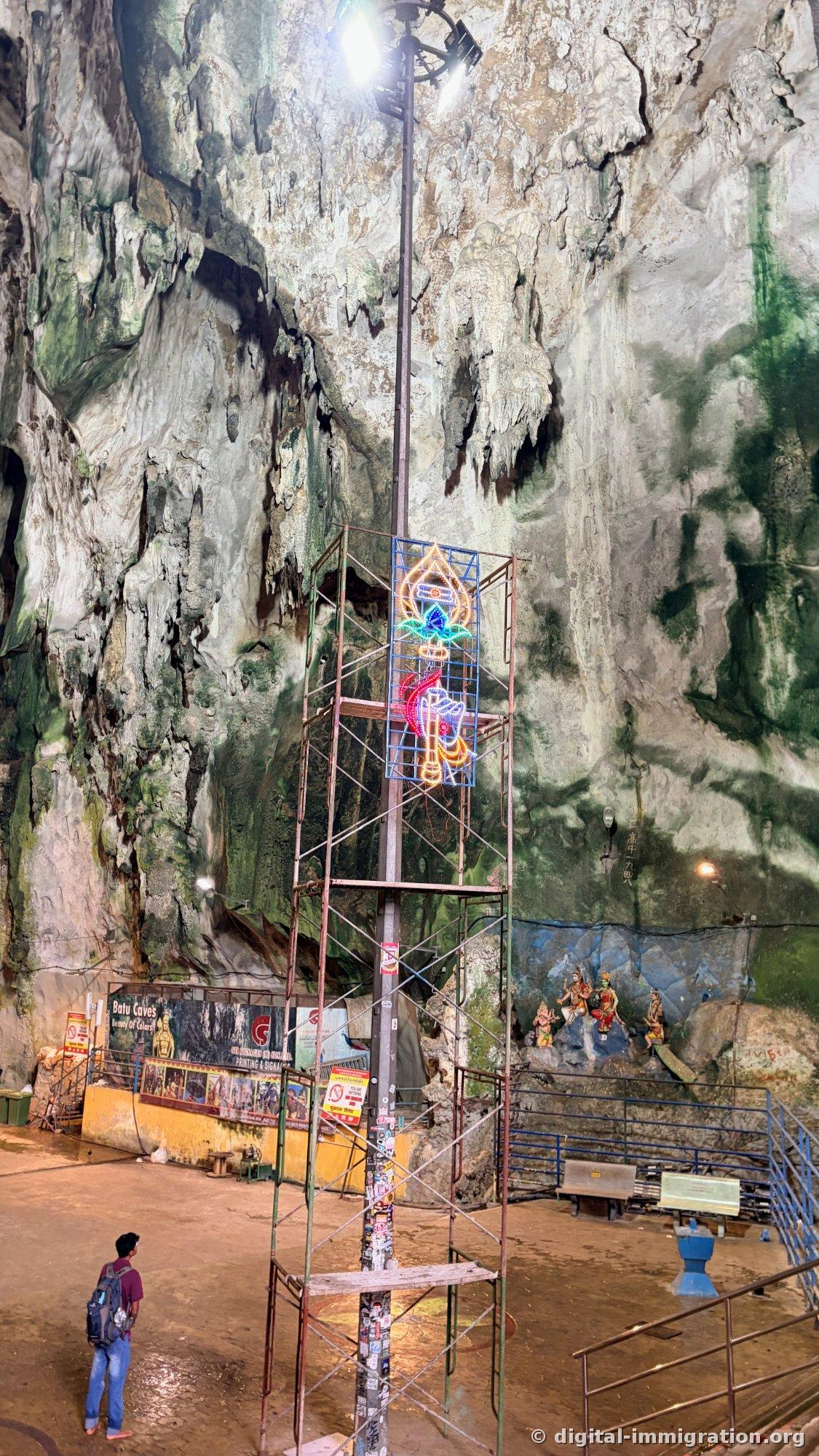
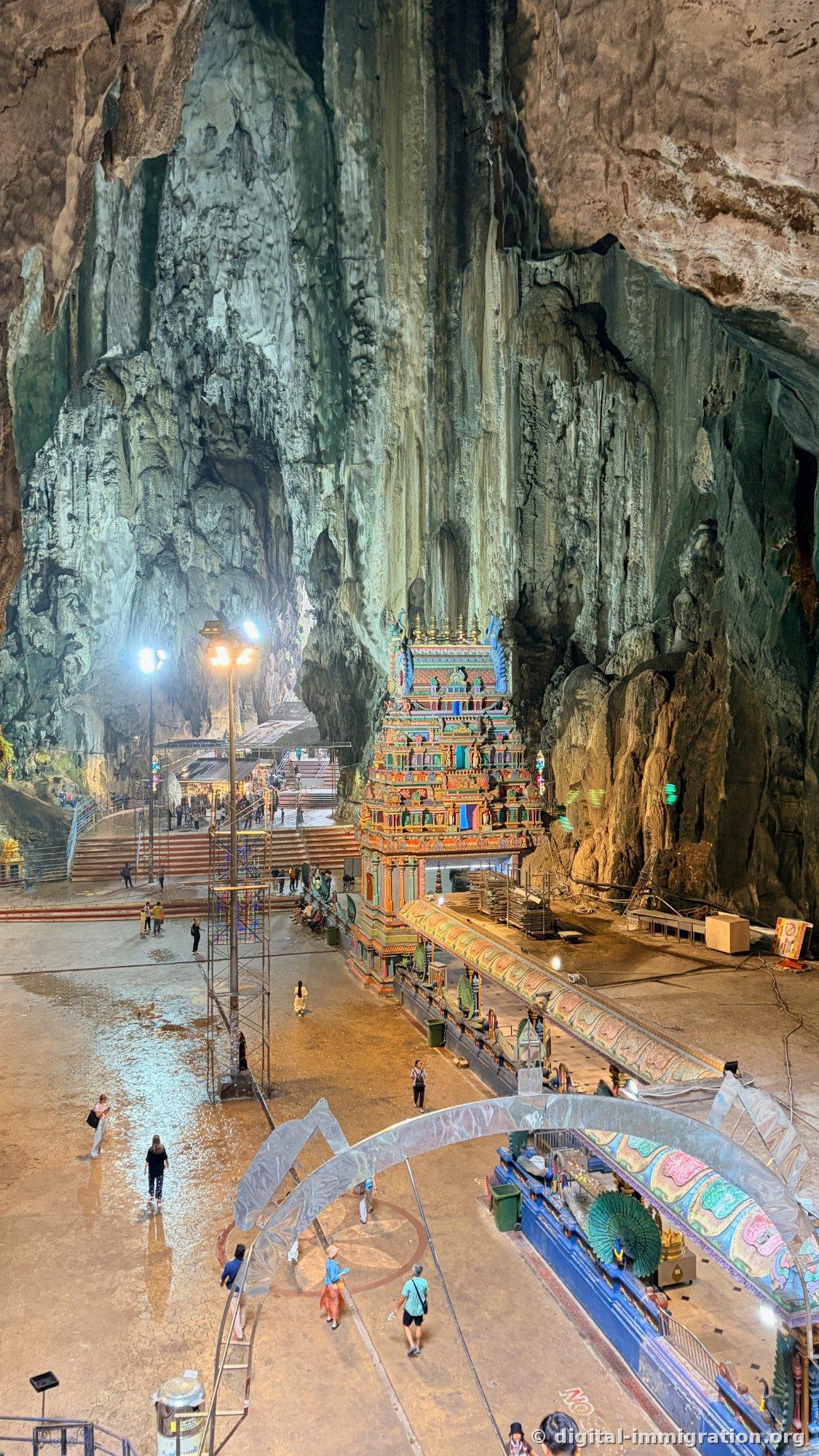
The moment you step inside after climbing the stairs, the sound changes. The bird calls and traffic from outside cut off, replaced by footsteps and the drip of water echoing. The cave is truly enormous. The ceiling stretches dozens of meters up, stalactites hang like curtains, and the temple, shops, and people below look like toys. Photos don't capture this scale — you have to see it and tilt your head back to understand.
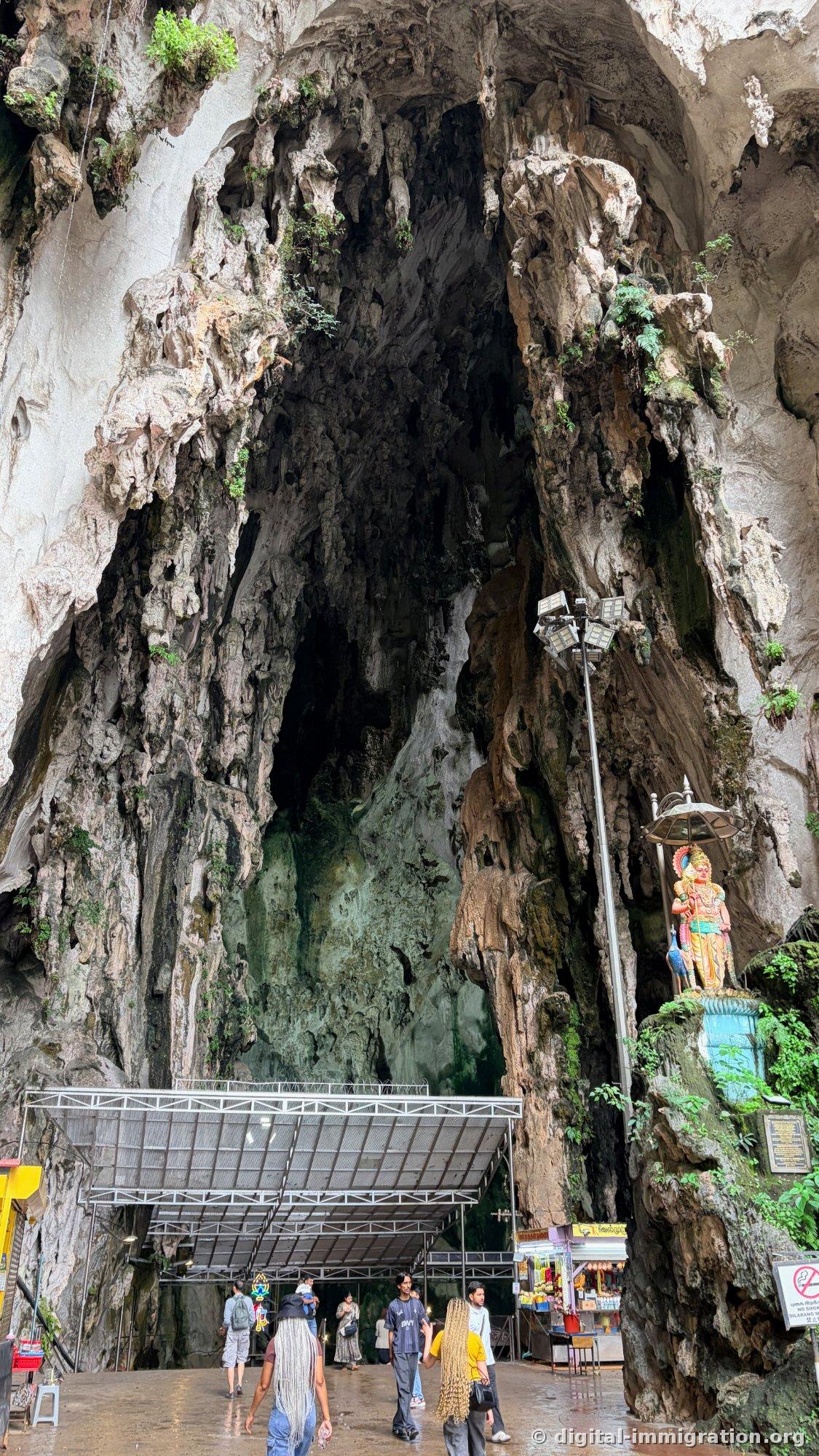
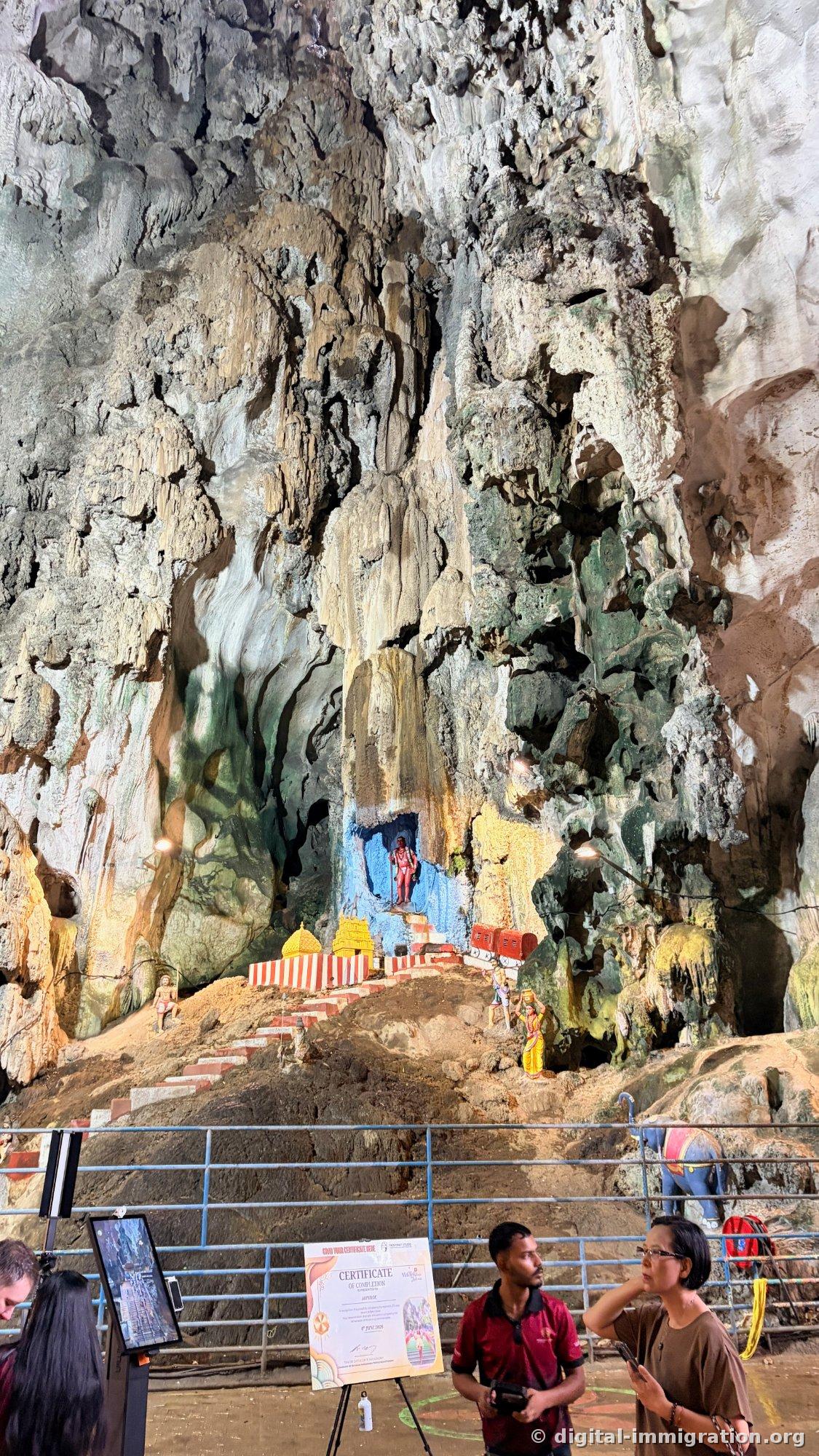
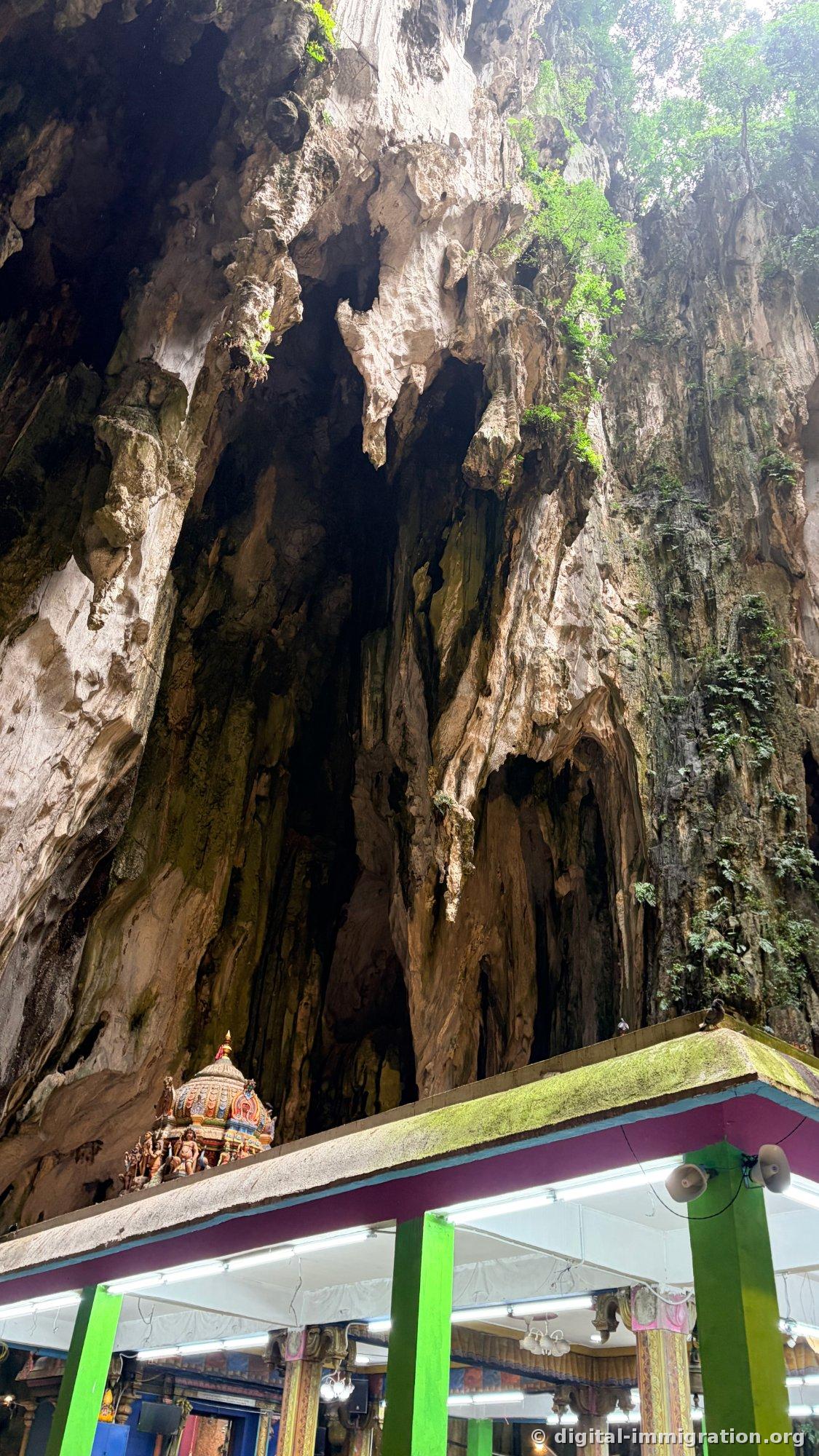
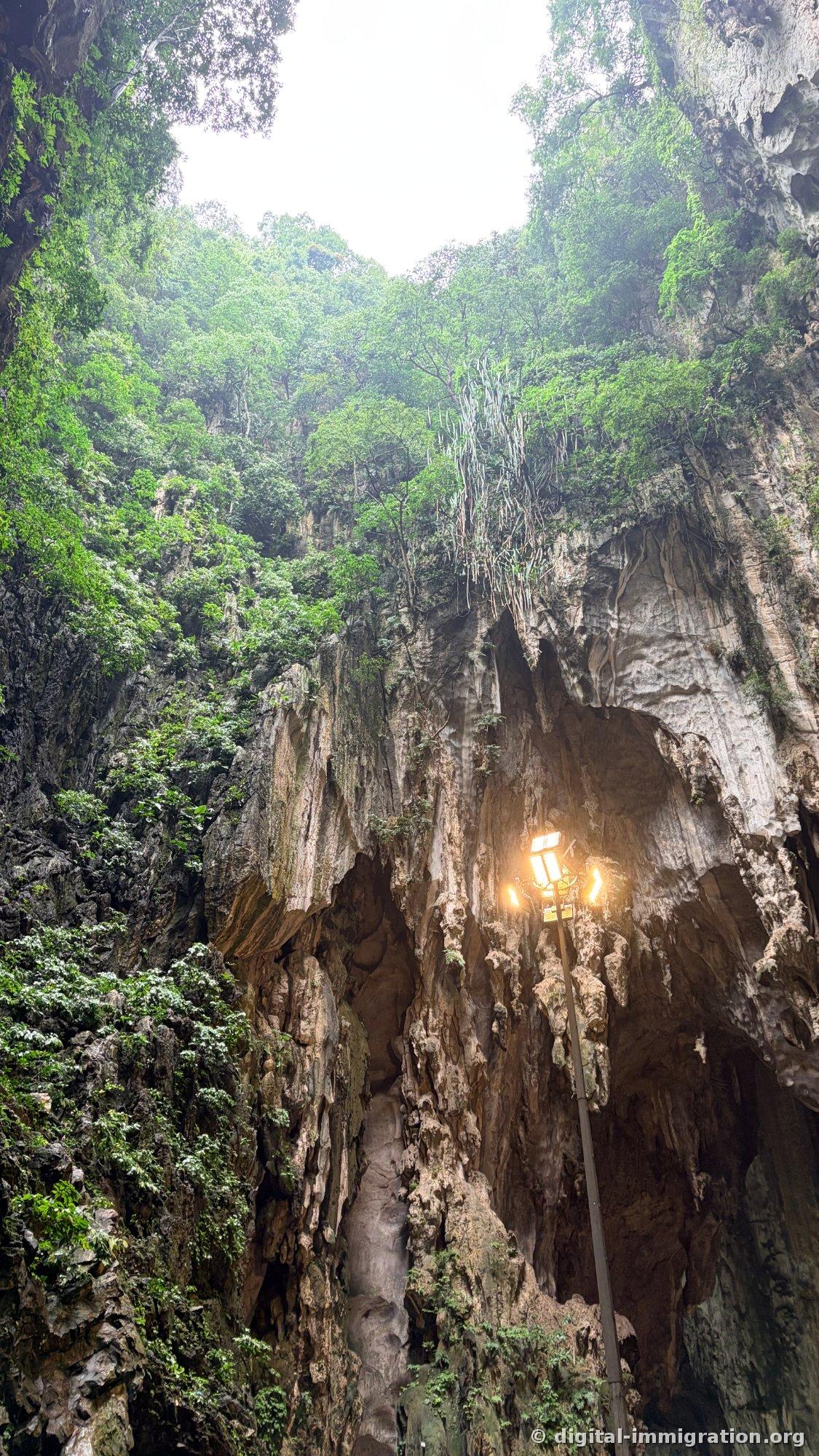
There Are More Stairs Inside the Cave, and Benches to Rest On
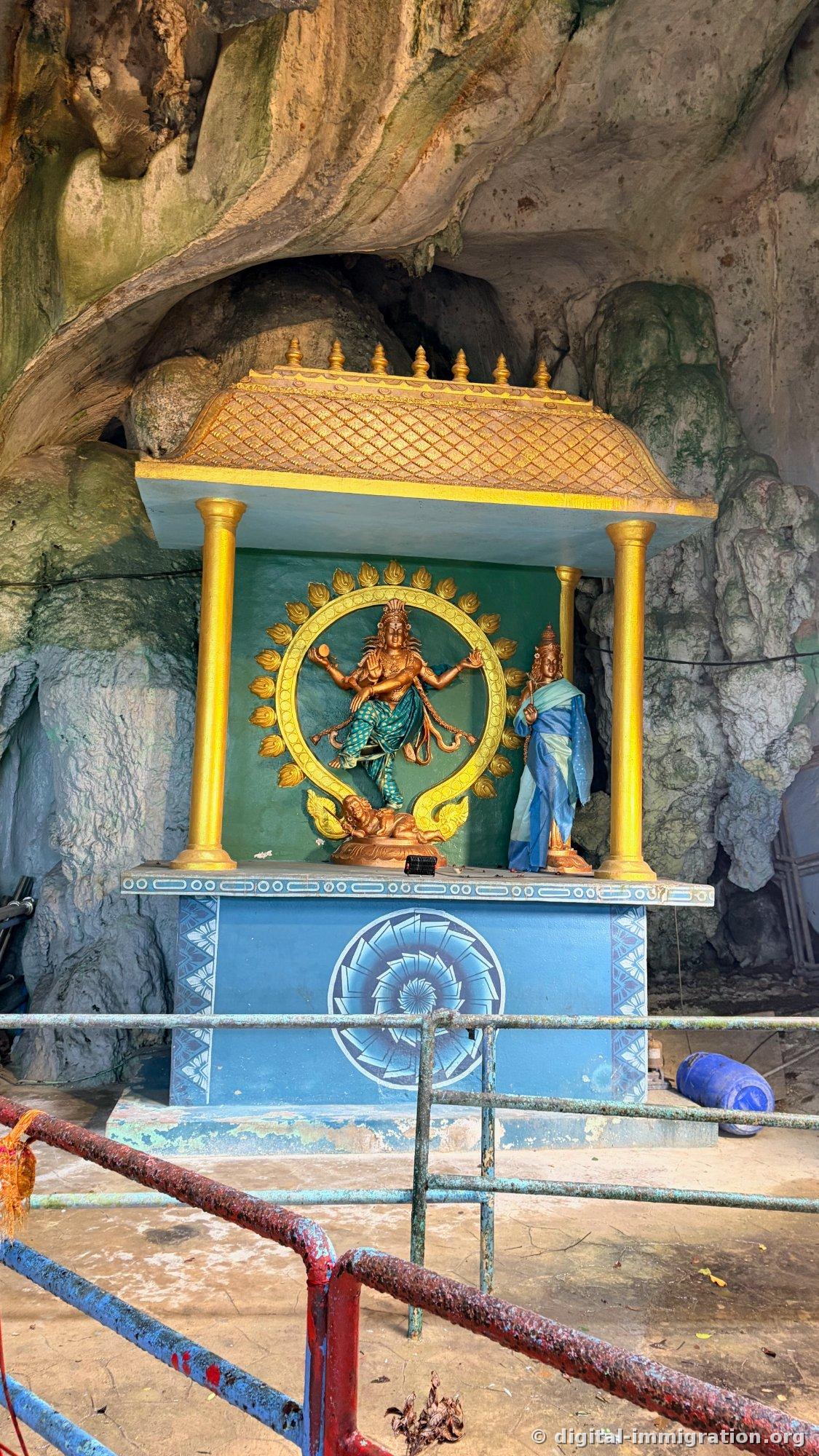
Many people get confused here. They think the 272 steps are the end, snap some photos, and turn around — but there are more stairs inside the cave, and another section to climb. These stairs are also painted rainbow colors, and when you reach the top, you'll find an inner space with an open ceiling and another shrine. Fortunately, there are benches and ledges to sit on throughout, so you can rest. I sat down twice. With high humidity, sweat doesn't dry, so it's much better to sit down, catch your breath, and keep going rather than pushing to climb all at once.
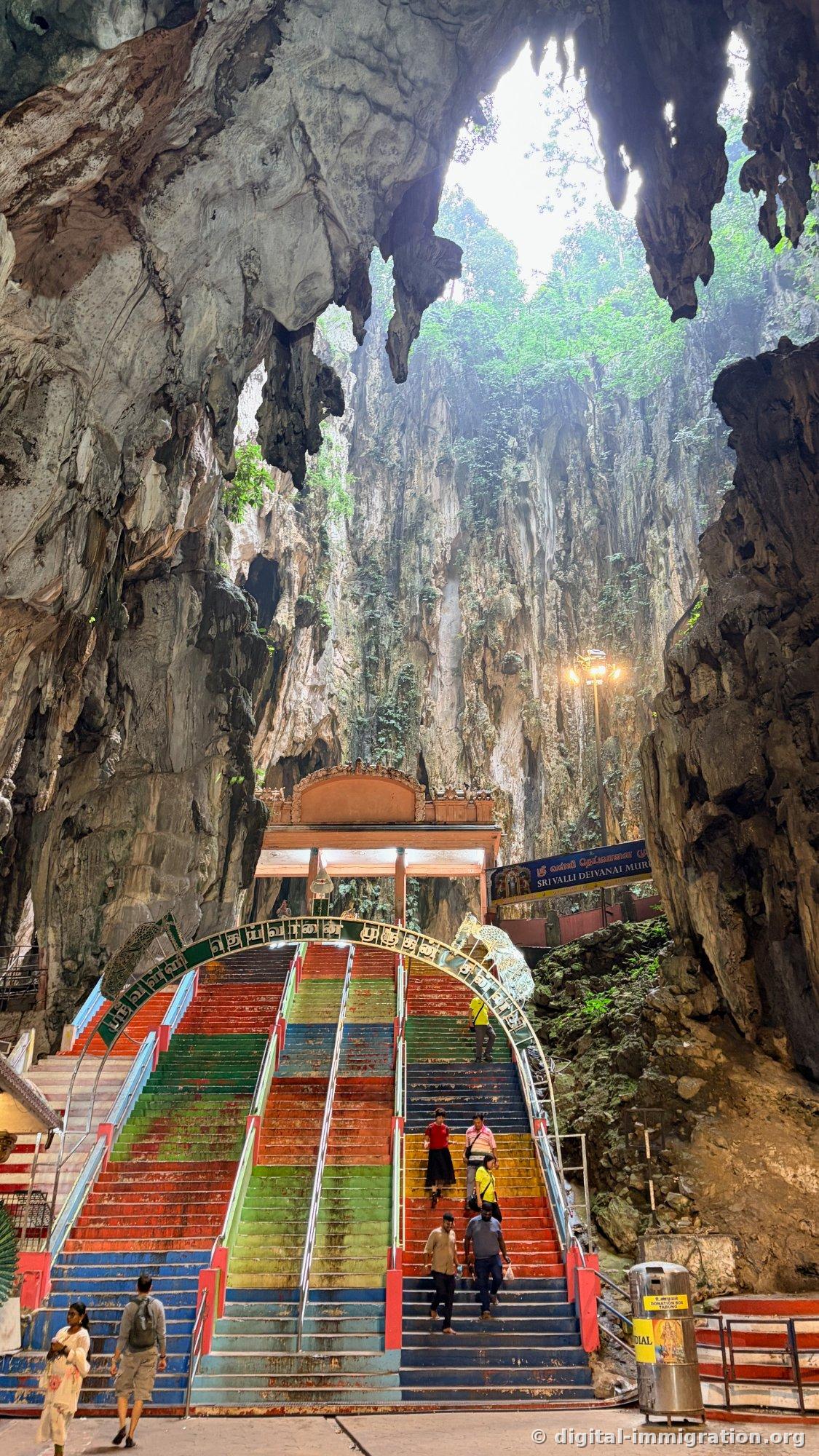
After Coming Down — Don't Miss the Turquoise Hanuman Statue
As you come back down the stairs, most people head straight to the station, but there's a large turquoise Hanuman statue standing at the south end of the plaza. Beyond that is the Ramayana Cave direction. Unlike the main cave, some sections there require separate admission, so decide based on your time and how your legs are holding up. Fees vary by season, so check at the ticket window for current rates.
Practical Notes to Keep
- Footwear: Sneakers with good grip. Flip-flops and sandals are really not recommended due to wet stairs and animal droppings.
- Clothing: Since this is a temple area, uncovered knees may require renting a sarong at the entrance. Long pants or a long skirt is more comfortable.
- Belongings: Don't carry plastic bags, drinks, or snacks in your hands. Monkeys specifically target those things.
- Time of day: Morning is relatively less crowded. When tour buses arrive, the stairs become a bottleneck.
- Weather: Squalls are frequent. An umbrella or thin rain jacket keeps your feet from getting stuck on the stairs.
- Pacing: The 272 steps are not the end. Factor in the stairs inside the cave and plan accordingly. Actively use the benches to rest.
- Cost: The main cave (Temple Cave) is reportedly free to enter, while some sections like Ramayana Cave charge separate fees. Check current prices on-site.
I'll also note the honest disappointments. If you come expecting a 'sacred space,' the wet ground, droppings, and scattered trash can really undermine that first impression. There are also so many people that it's hard to explore quietly. Still, those few seconds at the top of the stairs looking up at the cave ceiling were worth everything. If I come back, I won't wait for the rain to clear — I'll return early in the morning, wearing sneakers.
Читайте дальше
- Morning at the Traditional Market Next to Johor KIP Mall, Mangoes 2kg for RM10
On the outskirts of Johor Bahru, Malaysia, on the way up toward Kulai, there's KIPMall. You walk in expecting an air-conditioned shopping center like a typical mall, but instead yo…
Джохор · КИПМолл - Seng Kee Chicken Rice (成記雞飯) в Монкаре, Куала-Лумпур — выходной обед, не полный без маслянистого риса
Когда у меня есть дела в районе Монкара-Солярис на выходных, мои ноги почти автоматически ведут меня в одно заведение. В Куала-Лумпуре вывески с курицей на рисе висят буквально в к…
Kuala Lumpur · Сенг Ки Чикен Райс - Утро на традиционном рынке Кота Тингги — горы зеленого манго и вафля стоимостью RM3.50
Кота Тингги в Джохоре, Малайзия — город, известный в путеводителях только благодаря водопаду, расположенный к востоку от Джохар-Бару. На этот раз я провел время не у водопада, а на…
Кота Тингги