White Noodles Since Kansai's First Year — Cold Tororo Soba at Sarashina Horii in Nihonbashi Takashimaya, Tokyo
It was one of those days in Nihonbashi, Tokyo when, after browsing only the basement of a department store, I missed mealtime. Wandering through the food court inside Takashimaya S…
Токио · Сарасина Хории (總本家 更科堀井) Нихонбаши Такасимая магазин
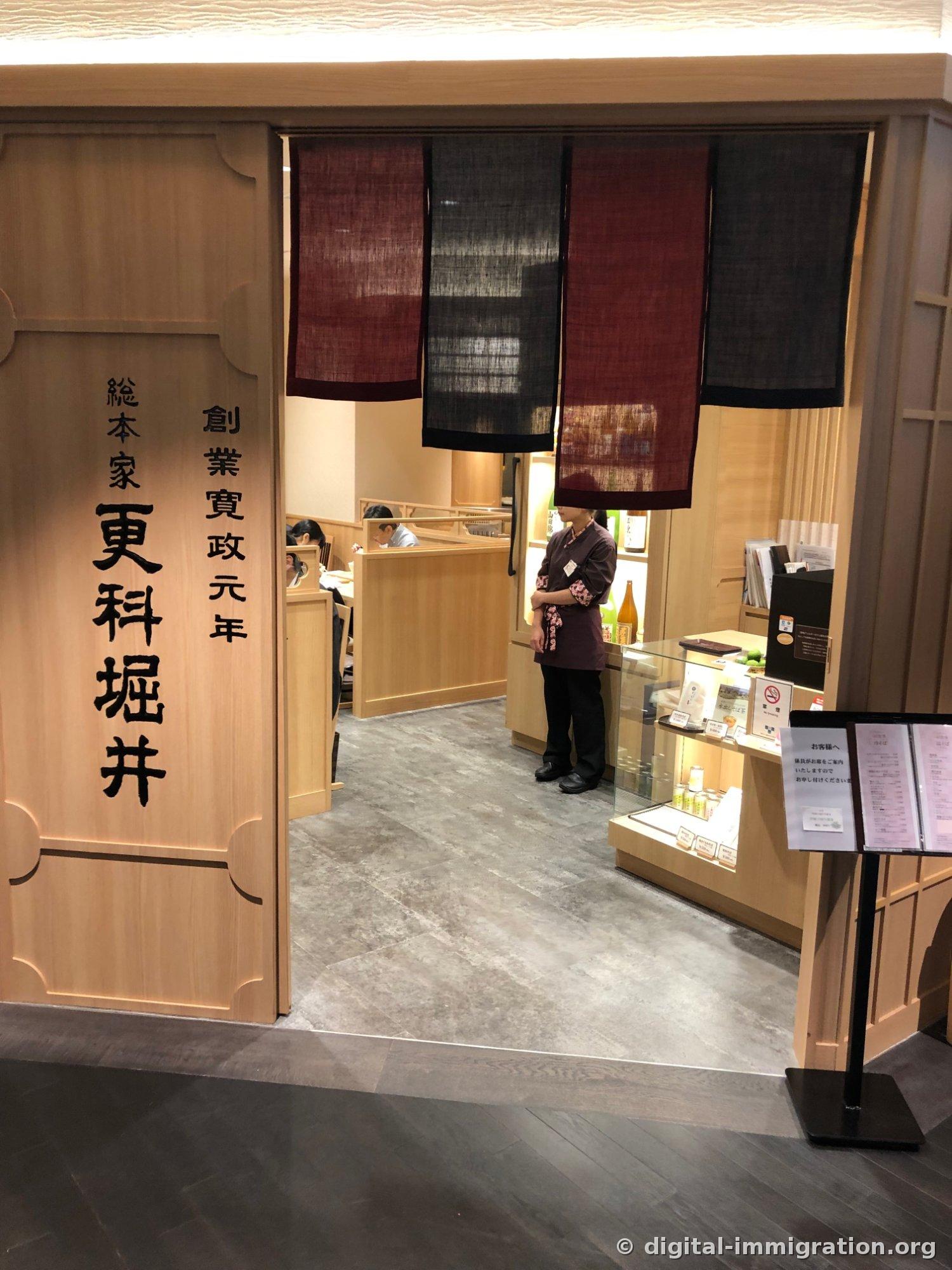
It was one of those days in Nihonbashi, Tokyo when, after browsing only the basement of a department store, I missed mealtime. Wandering through the food court inside Takashimaya Shopping Center, I spotted a signboard with Sarashina Horii written vertically on a cypress wood wall. Next to it was a small inscription: "Founded in Kansai Year One." Kansai Year One would be 1789—the year of the French Revolution. A soba shop that opened the year the French Revolution began was now operating inside a department store, but this combination isn't so unusual in Tokyo. The main branch is in Azabu-Juban, and this location is the Nihonbashi Takashimaya branch.
Take Your Time Reading the Menu — Sarashina Has a Separate Price
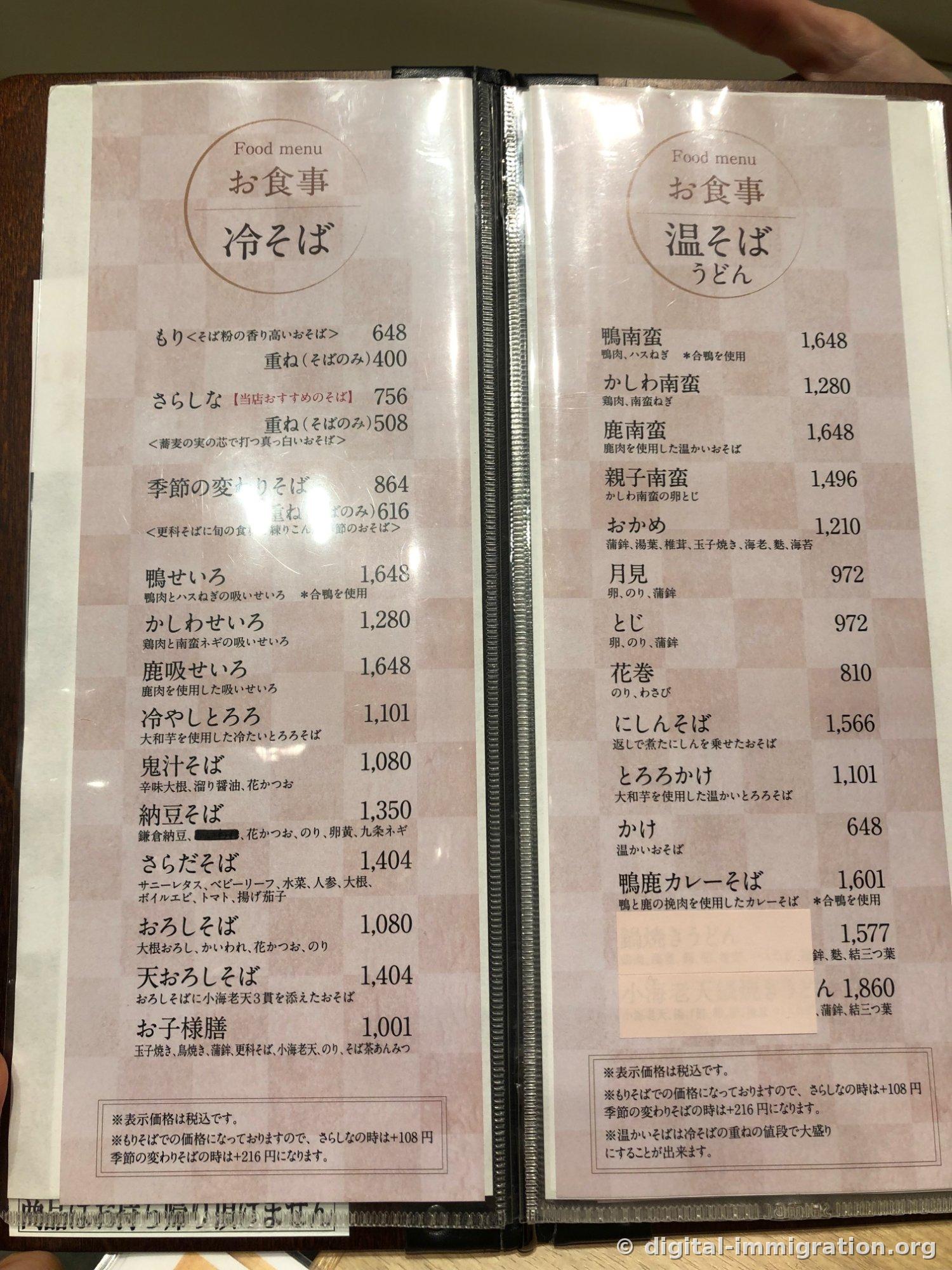
When you're seated, they give you a menu divided left and right between cold soba (冷そば) and hot soba and udon (温そば/うどん). There's one point perfectly designed to confuse first-time visitors. In small print below the menu, it says "Displayed prices are based on mori soba; sarashina is +108 yen, and seasonal kawa-ri soba is +216 yen." In other words, the prices in the upper left—もり 648 yen, さらしな 756 yen, 季節の変わりそば 864 yen—apply when you order noodles alone. If you switch any of the topping dishes like とろろ or 鴨せいろ to sarashina noodles, you pay the additional charge.
The price range is roughly like this: 冷やしとろろ 1,101 yen, 鴨せいろ 1,648 yen, 天おろしそば 1,404 yen, かけ on the hot soba side 648 yen, 鴨南蛮 1,648 yen. What caught my attention was that dishes with venison—鹿南蛮 and 鹿吸せいろ—are listed at 1,648 yen each. Soba shops that serve venison are not common. These are prices from the menu I saw, so they've likely changed by now; I recommend checking on site.
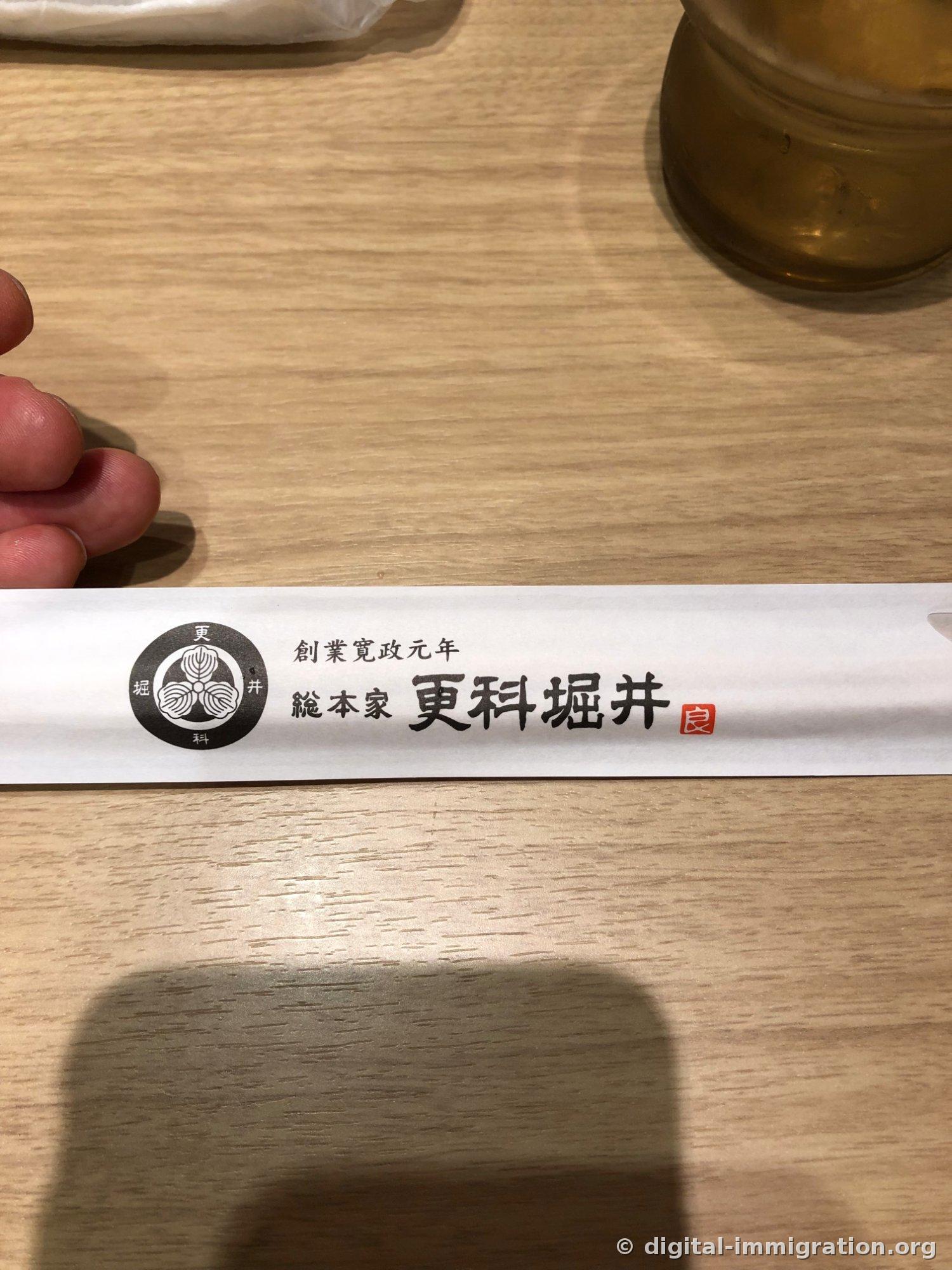
The same notice is printed on the chopstick wrapper too. There's a mark with the four characters '更科堀井' inside a three-leaf design, with the founding year next to it. Peeking at details like this while waiting for the soba to arrive is part of the charm of visiting an old establishment.
Turn the wrapper over and you see the phone numbers for three branches: 麻布十番本店 03-3403-3401, 立川伊勢丹店 042-540-8273, 日本橋高島屋店 03-6281-9939. It also means there are only these three locations. It's not a chain you can walk into anywhere in Tokyo; if you're going, it has to be one of these three.
Tamagoyaki Arrives First, and Waiting for the Soba
Before the soba arrived, I ordered tamagoyaki. Two thick pieces came out with what looked like grated daikon radish bundled up on the side. The surface is glossy and deeply colored, but it's not the type with assertive sweetness. The aroma of dashi comes first, with sweetness layering subtly behind it. The plate was white porcelain with a scattered white glaze, so the yellow of the egg was exceptionally vivid.
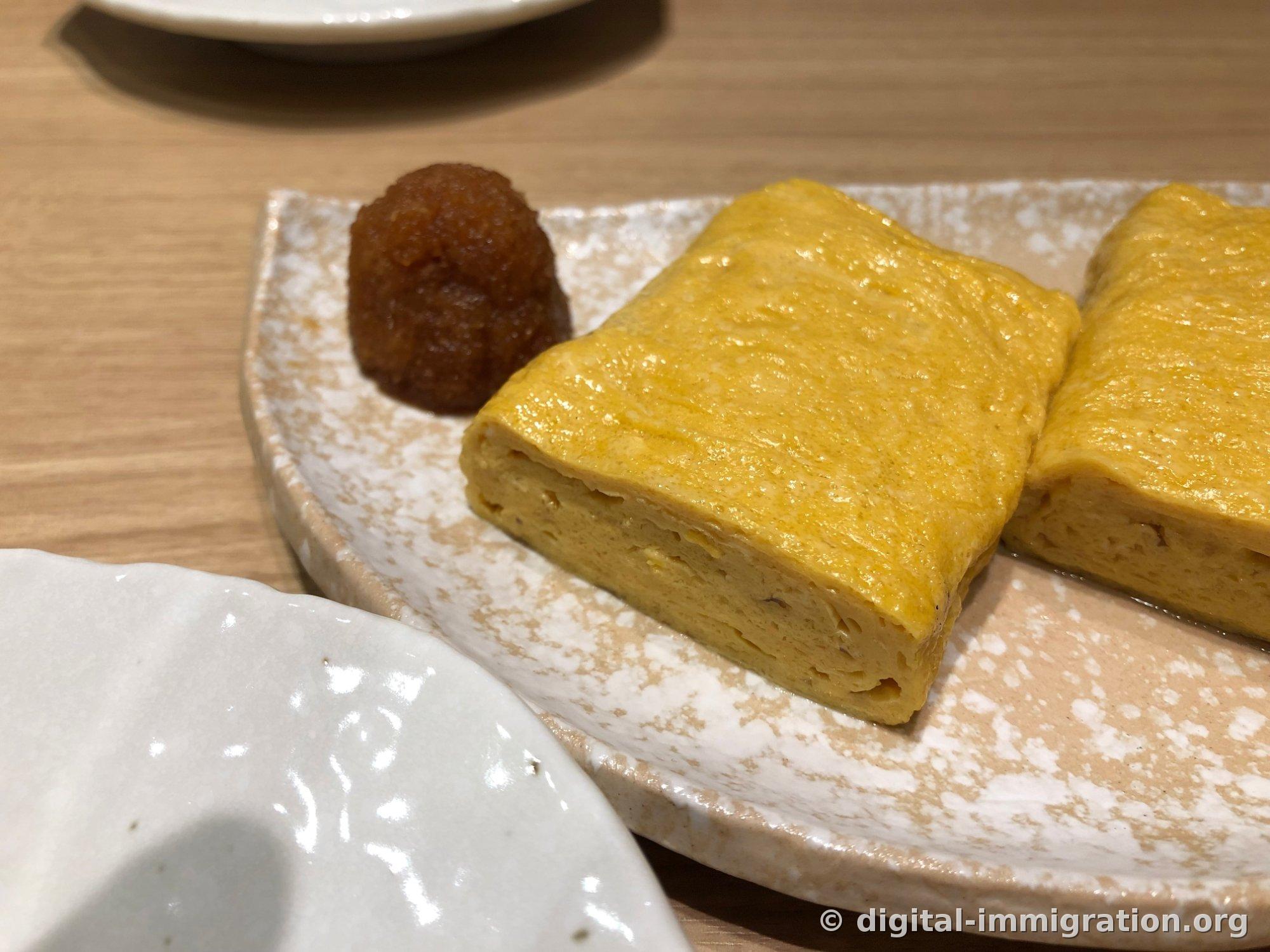
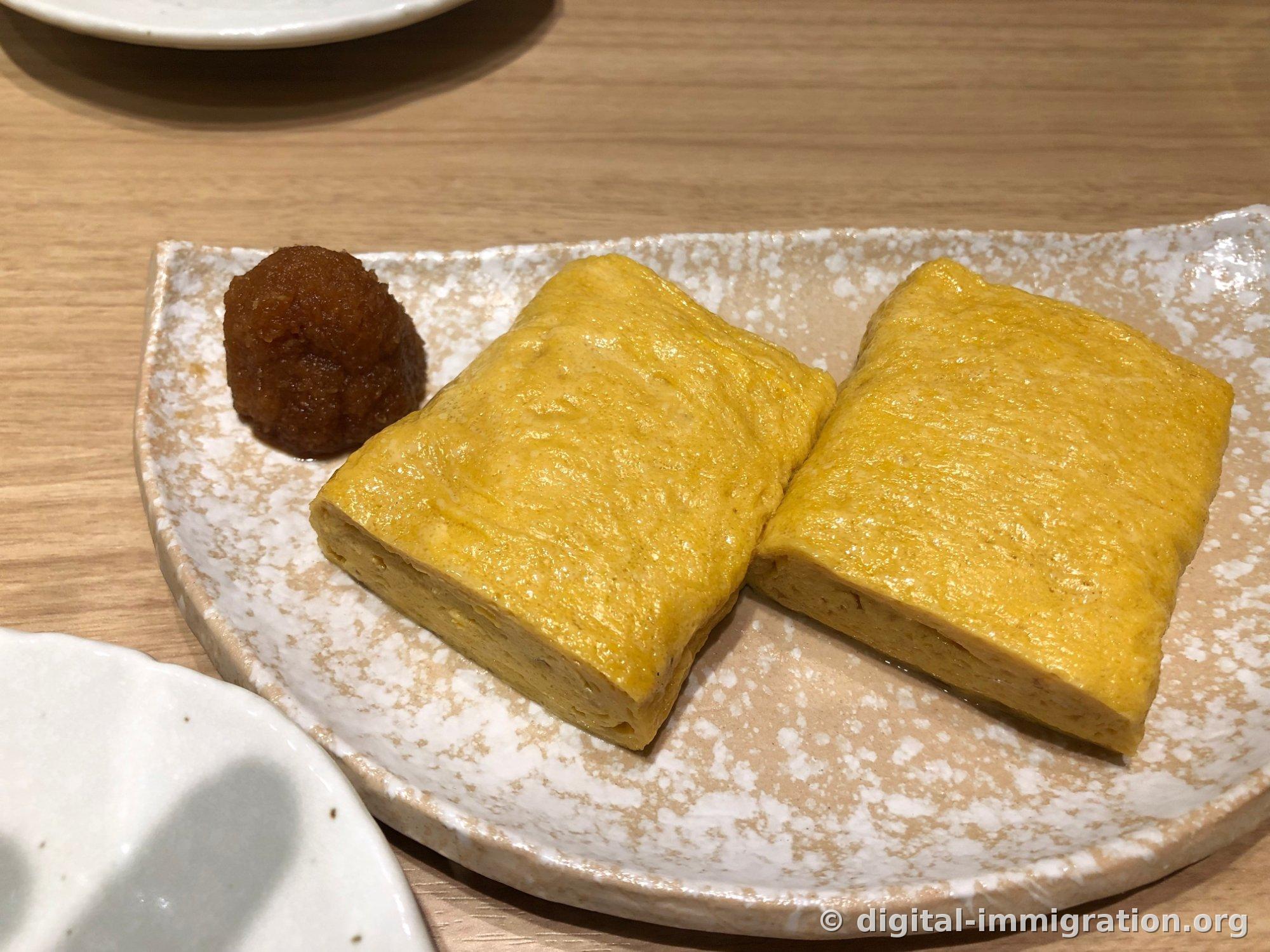
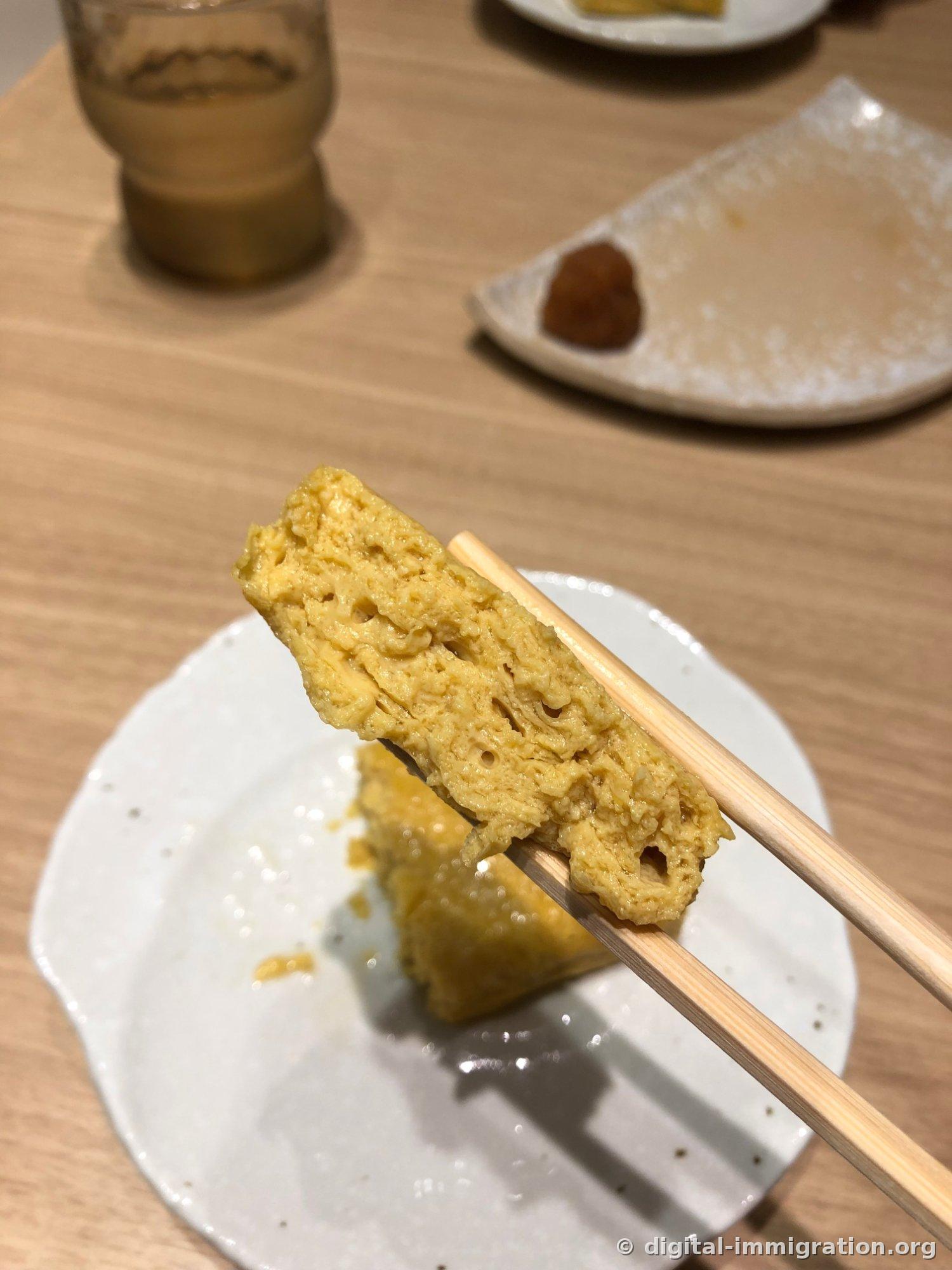
When you pick it up with chopsticks, the layering is visible. There's broth soaked between the layers, so it looks like it might fall apart at any moment—and truthfully, it did half-fall once. It's best to pick it up while it's hot.
A Bowl of Cold Tororo Soba — The White Noodles Are Really White
I ordered cold tororo soba. When the tray was set down, there was the noodles in a lacquered crimson seiro, a white porcelain pitcher with tsuyu dipping sauce, a dark reddish bowl with tororo mountain yam, a small dish with a raw egg yolk, and a plate with wasabi and scallions—all at once. On first sight, you momentarily pause, unsure of what goes where.
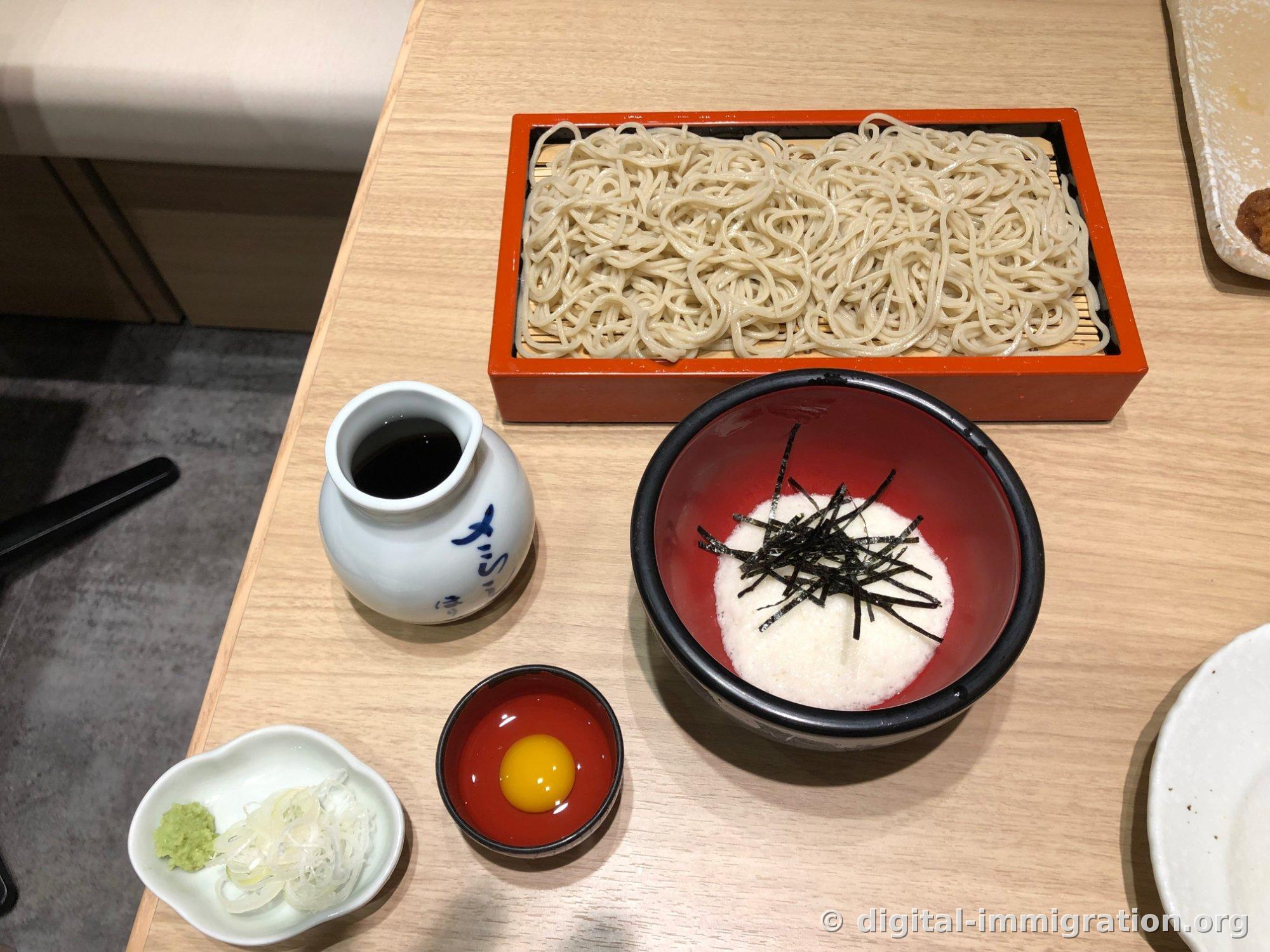
I was a bit surprised by the color of the noodles in the seiro. They weren't the grayish-brown buckwheat noodles we're used to, but so white you'd believe they were wheat noodles. That's because these sarashina noodles are made using only the center core of the buckwheat kernel. In exchange, the aroma is subtle. If you come expecting a strong buckwheat aroma, you might say "huh?" on the first bite, but after a few chopsticks-full, a subtle sweetness emerges from behind.
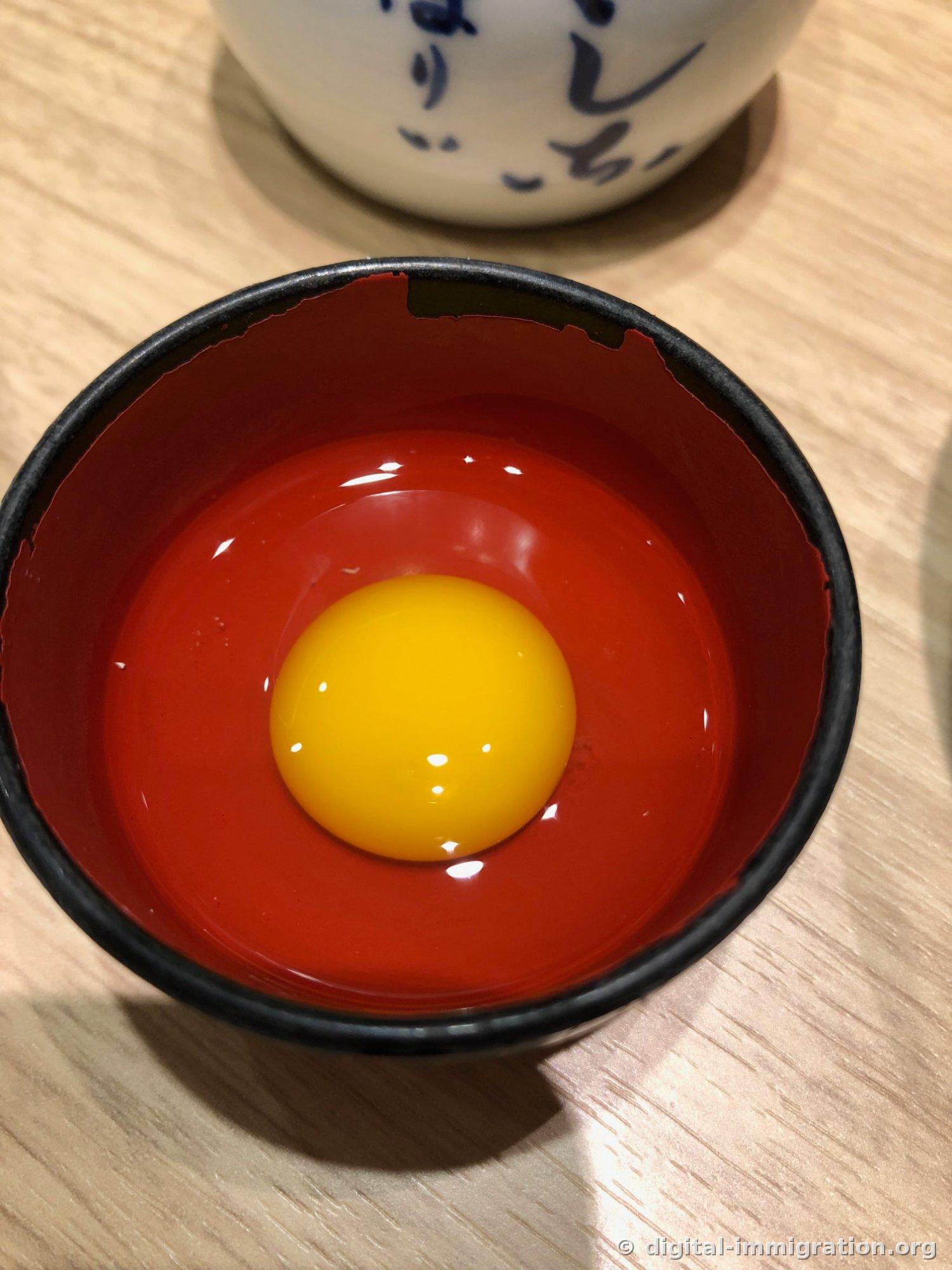
The egg yolk comes alone in a red lacquered dish. Just the yolk, no whites, and it's nearly perfect and round. You don't just swallow it; you break it into the tororo.
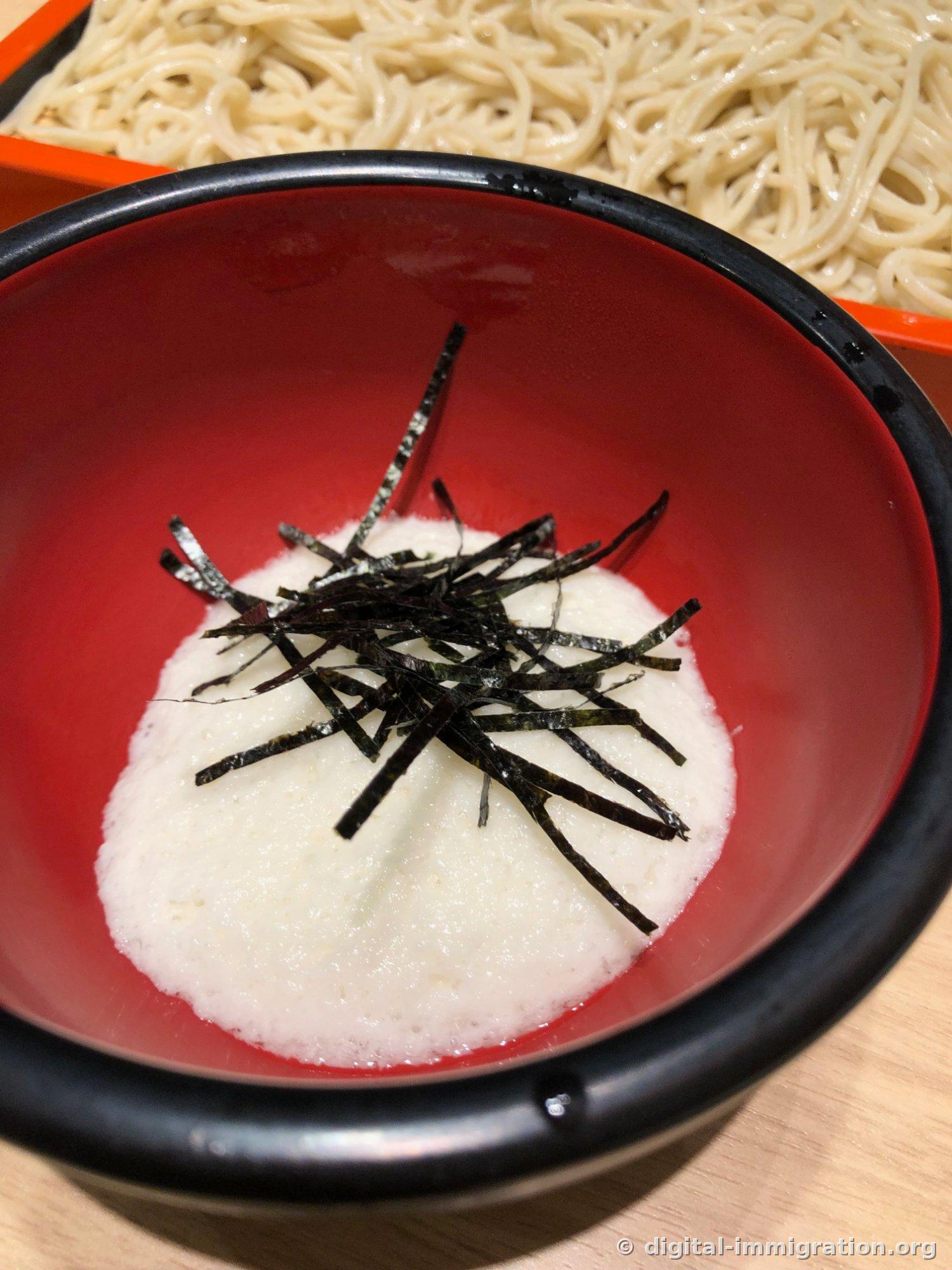
The tororo is grated Yamato yam, so it's bundled together without any moisture. It doesn't flow even if you tilt the bowl. Shredded nori is placed on top.
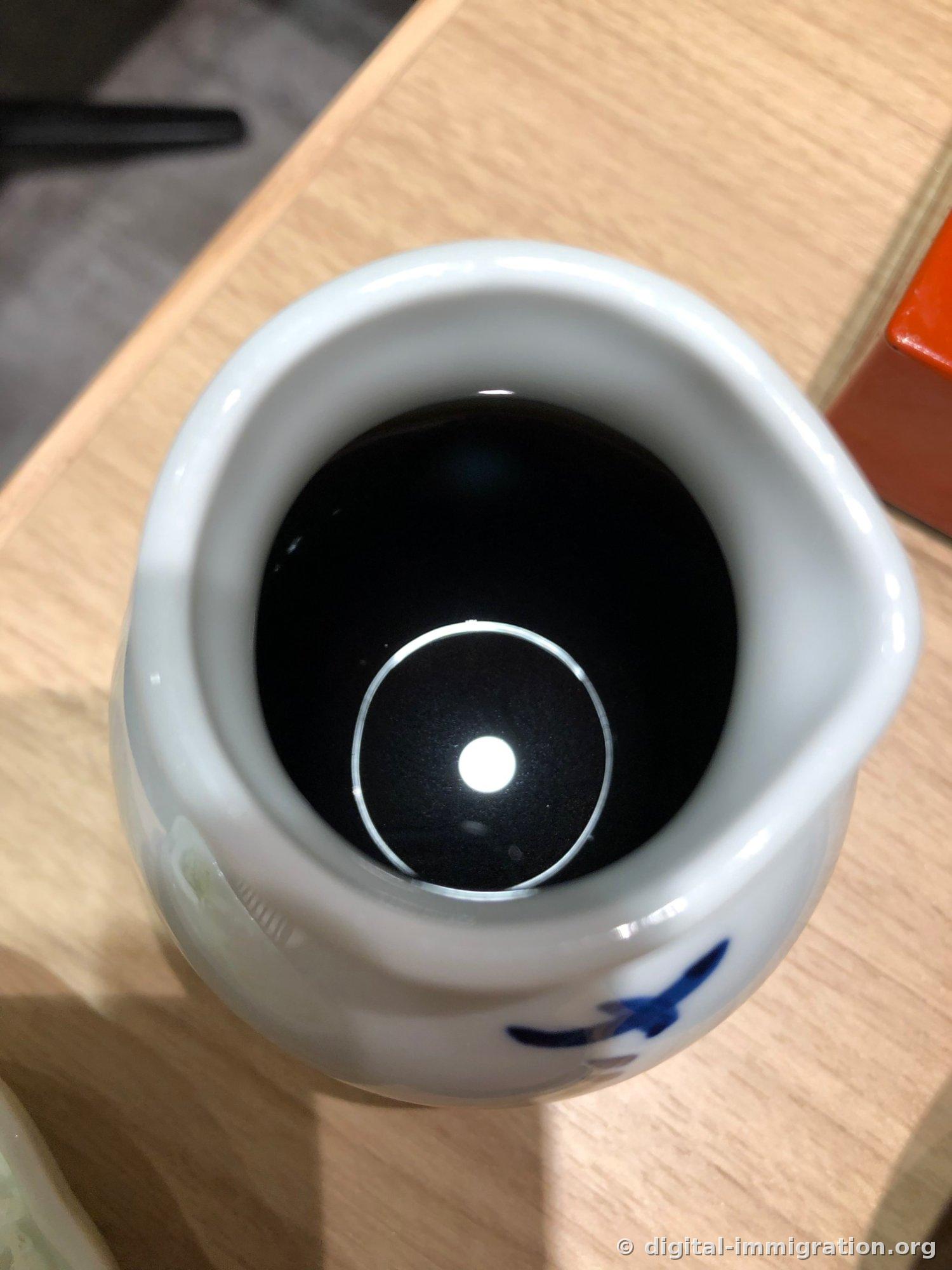
Looking down into the tsuyu, it's nearly black. Sarashina-style shops generally have dark dipping sauce, and this one does too. Don't pour it all at once; it's better to add about half and taste first, then adjust. I poured it all in at first and regretted it because it was too salty.
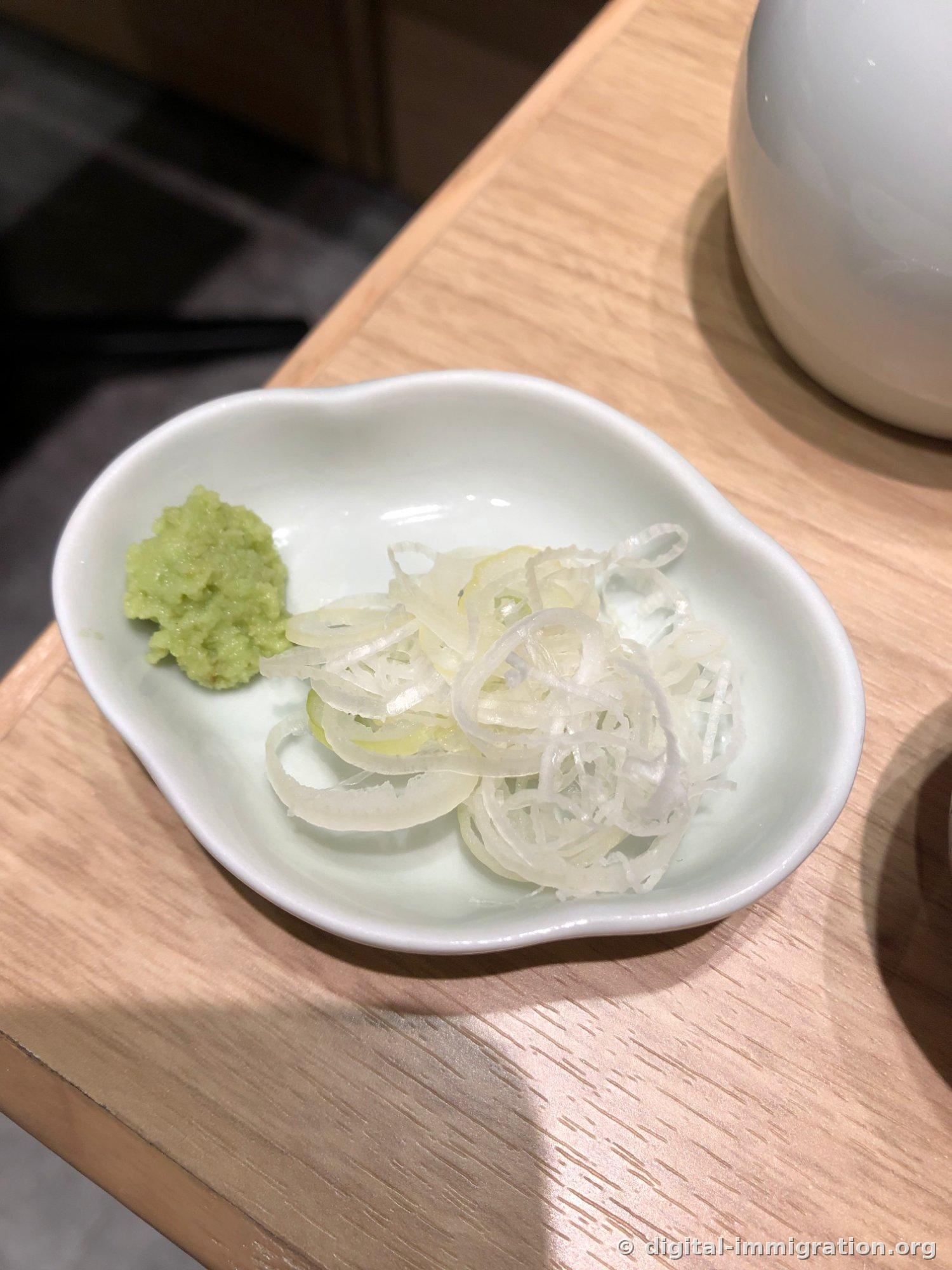
The wasabi and scallions come on a separate small plate. The scallions have only the white parts, sliced very thin, so there's almost no pungency—just a crisp texture.
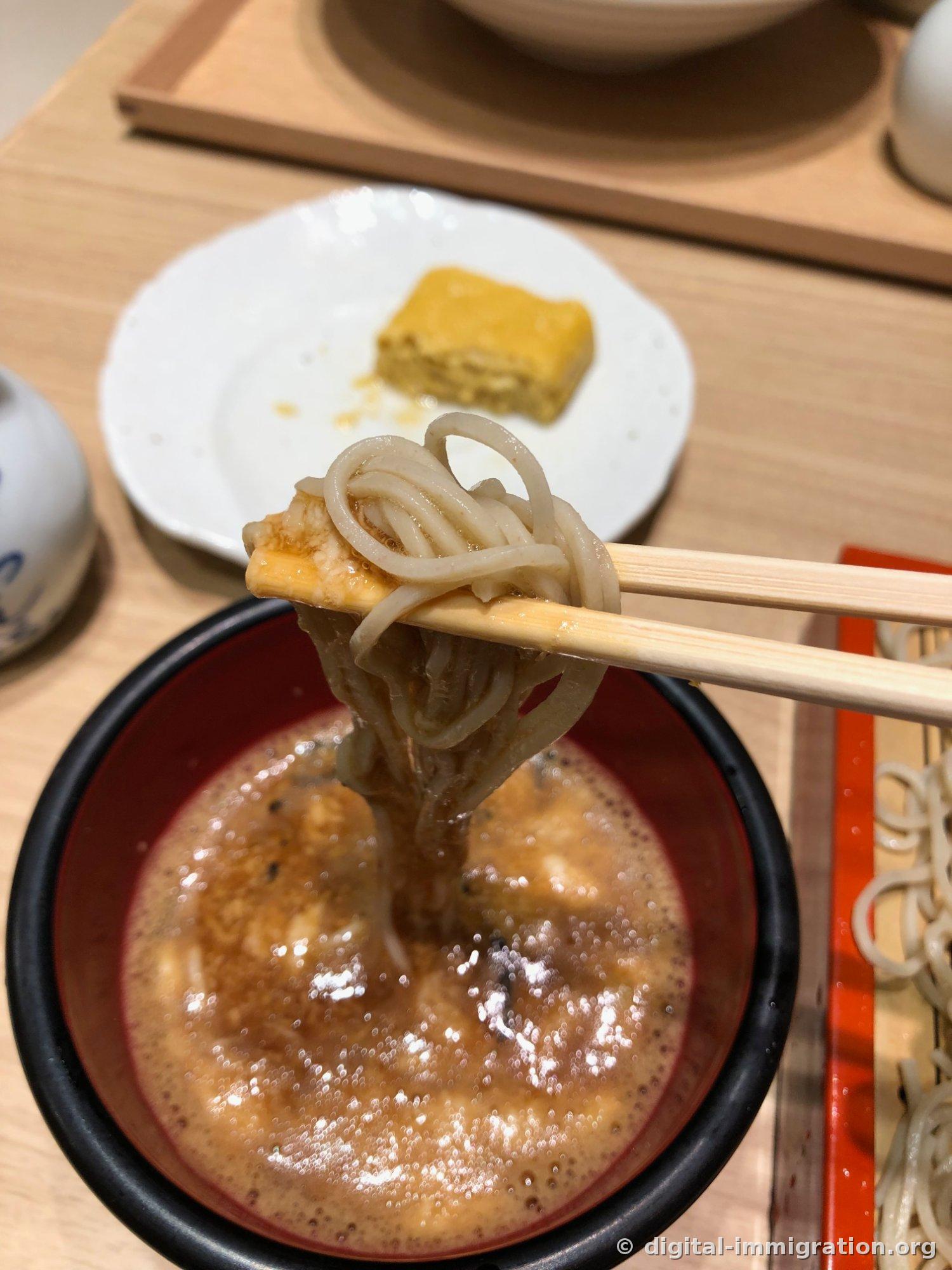
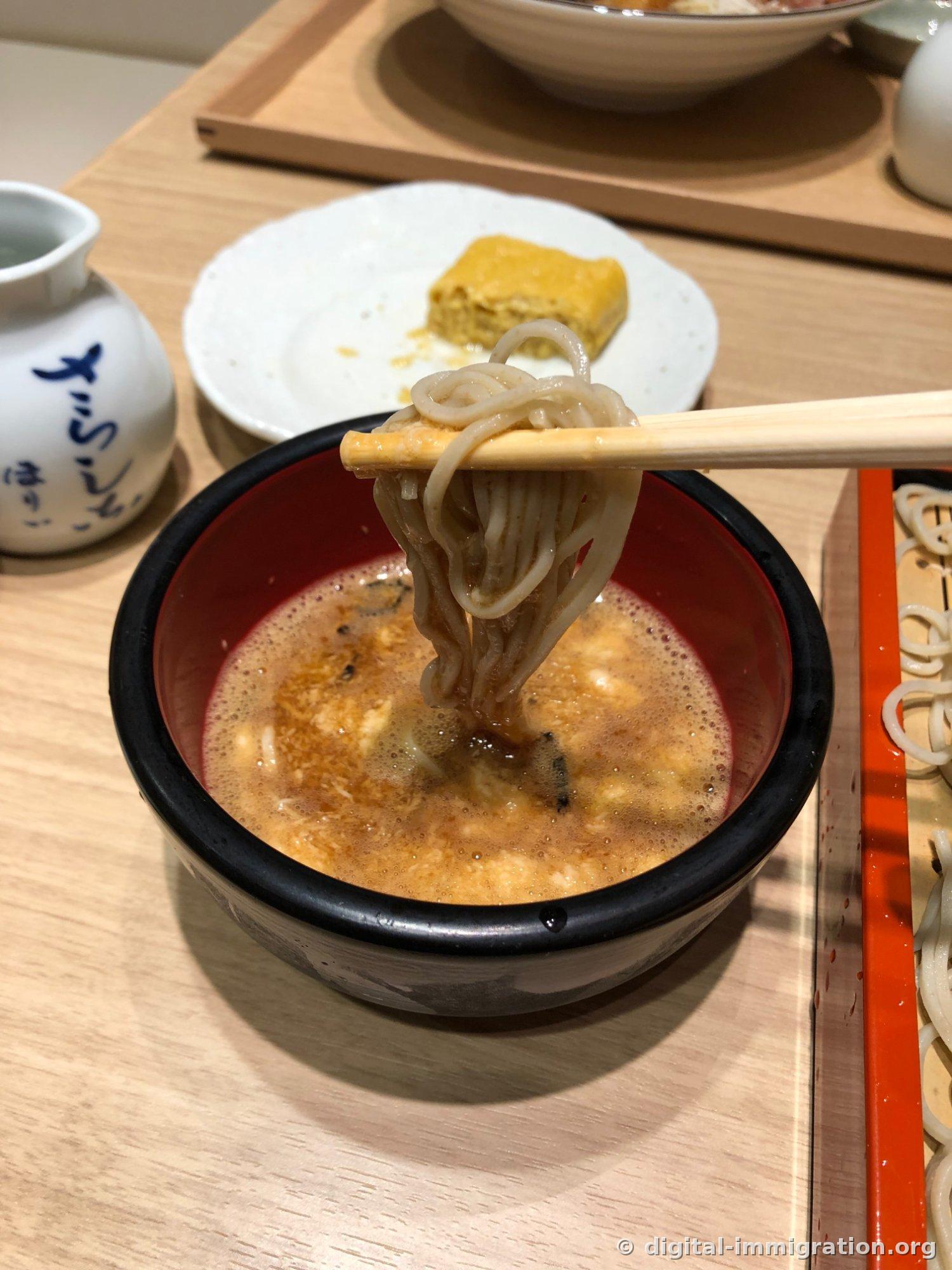
When you crack the egg yolk into the tororo and pour in the tsuyu, whisking with chopsticks, the color transforms. What was white becomes a pale brown mousse-like consistency with fine foam densely covering the surface. When you dip the noodles into this and lift them out, the sauce coats them smoothly. Rather than slurping them down, it feels more like they slide in.
The Finale Is Sobayu — Not Getting It Means You've Only Eaten Half
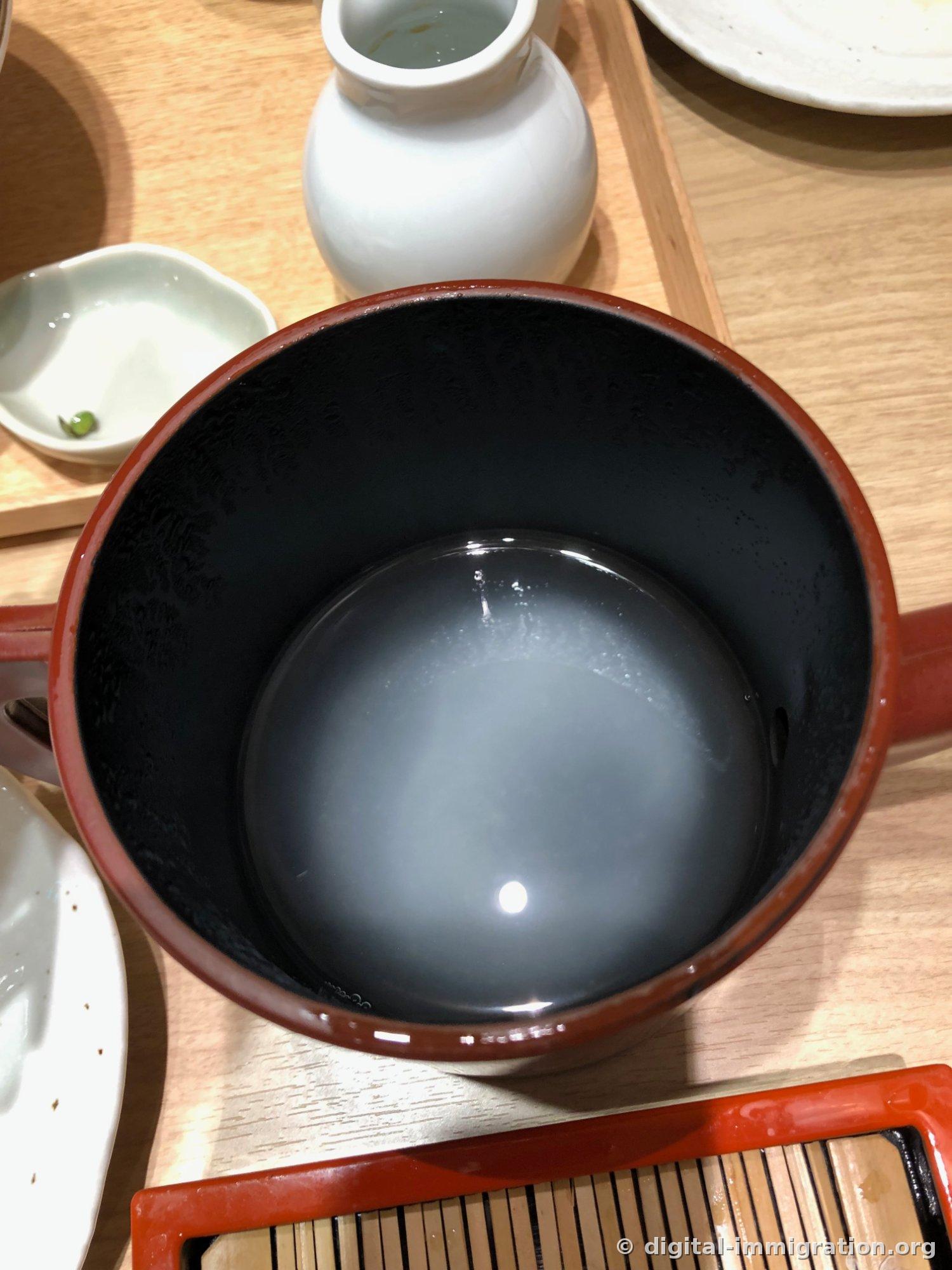
About when you finish the noodles, sobayu arrives in a red lacquered pitcher. When you open the lid, it's filled with water that's not just white but grayish-white. It's the water buckwheat was boiled in, so it seems like it would have no flavor, but when you pour it into the remaining dipping sauce, everything changes.
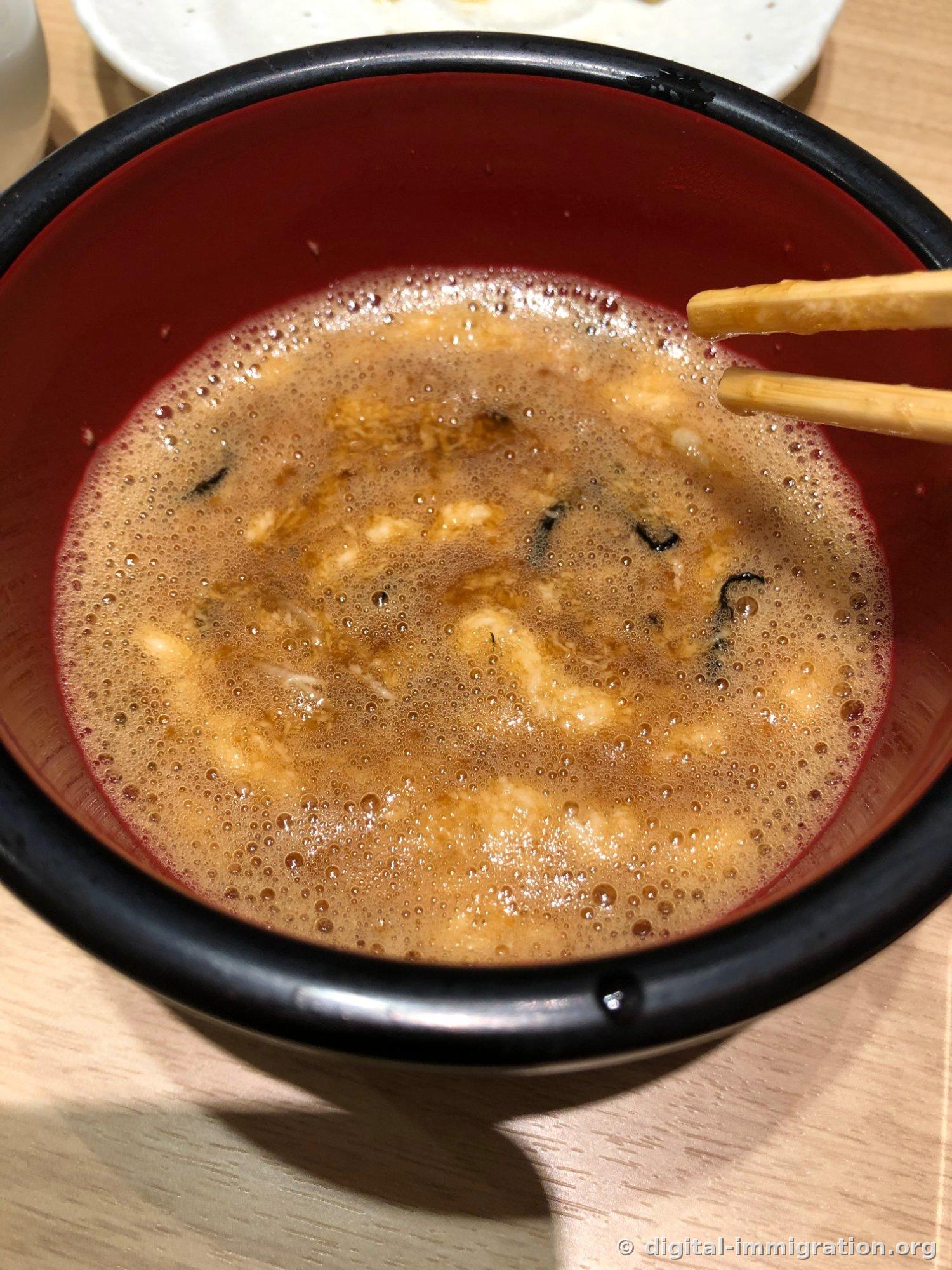
When you pour sobayu into the remaining tororo and yolk, foam rises up again and the sauce becomes warm soup. The salty tsuyu dilutes to a perfect drinking consistency, with shreds of nori floating in it. I had it refilled twice and drank it all. In winter, after drinking a bowl of this, your whole body warms up.
How to Get There and Practical Information
It's inside Nihonbashi Takashimaya Shopping Center, so it connects directly underground from Nihonbashi Station. The biggest advantage of this location is that you don't need to open an umbrella even on rainy days. Being a department store food hall, the seating is spacious and the tables are clean wood, but if you were expecting the narrow, dark atmosphere typical of old soba shops, that's the Azabu-Juban main branch.
- There's a staff member stationed at the entrance. Even if you see an empty seat, wait to be seated.
- Sarashina noodles have a subtle aroma. If you want strong buckwheat flavor, choose もり; if you're curious about the white noodles themselves, choose さらしな. If you want to sample a bit of each, there's a 「重ね (extra noodles only)」 option.
- The tsuyu is strong. Start by pouring only half.
- Sobayu comes out on its own, but if it doesn't, ask for it. That final bowl is the essence of this restaurant.
- Inside the shop there's a glass display case selling products like bottled sake and seasoned nori. They also seem to carry soba sets as gifts.
- The menu has a 「お子様膳」 children's set for 1,001 yen, so dining with children is no problem.
One small disappointment: while sarashina noodles are certainly fine and beautiful, they might feel bland to someone who loves the raw, earthy aroma of buckwheat. Even I found them slightly bland on that first bite. Only after mixing in the tororo and yolk did I understand why these noodles are so white. Even when topped with something rich, the noodles stay intact and hold their place. Next time, I'm thinking of trying the 鹿吸せいろ with venison.
Читайте дальше
- From Akihabara's Chuo-dori to the Kanda River: A Record of Tokyo's Electronics District Revisited Multiple Times
Tokyo's Akihabara is a neighborhood where it's hard to say you've seen everything in a single visit. I've come multiple times across different seasons, and each time the signs chan…
Токио · Акихабара - Buying a Single ¥300 Year-End Jumbo Lottery Ticket at Nishi-Ginza Chance Center in Tokyo
Exit from the Hibiya exit of Tokyo's Shimbashi Station, walk toward the elevated highway for about three minutes, and suddenly you'll see a line of people stretching along the side…
Токио · Нишигинза Центр Шансов - Ueno Ameyoko, the real magic starts after sunset — an evening walk from the Okachimachi Gate to Ueno Station
Every time I come to Tokyo, my feet find their way to Ueno Ameyoko (アメ横) without fail. This time I entered from the Okachimachi side and worked my way toward Ueno Station. I've met…
Токио · Амэёко рынок