Vientiane's Pizza da Roby (PDR Pizza) — Dough Baked by an Italian Owner, and the After-Dinner Drink
I wondered if pizza was worth eating in Vientiane, Laos. After traveling through Southeast Asia dozens of times, I'd learned one thing: the better the local food, the worse the Wes…
វៀងចាន់ · Pizza da Roby
I wondered if pizza was worth eating in Vientiane, Laos. After traveling through Southeast Asia dozens of times, I'd learned one thing: the better the local food, the worse the Western food tends to be. But Vientiane is different. As a former French colonial city, the foundation of bread, coffee, and European cuisine is distinctly stronger here than in other Laotian cities. Among these, Pizza da Roby—which Koreans often shorten to "PDR Pizza"—has earned a solid reputation in the traveler community. During my few days there, I went twice, and a third time the restaurant didn't open.
Walking from the Mekong
The restaurant sits west of central Vientiane, down a small alley tucked behind the road running along the Mekong River. It's a bit off the main tourist routes—the palace, Pha That Luang—so grabbing a tuk-tuk or motorcycle taxi is convenient. I walked there for dinner, and the road looks like this: sidewalks disappear in stretches, lane markings are loose, and cars just flow where they will.
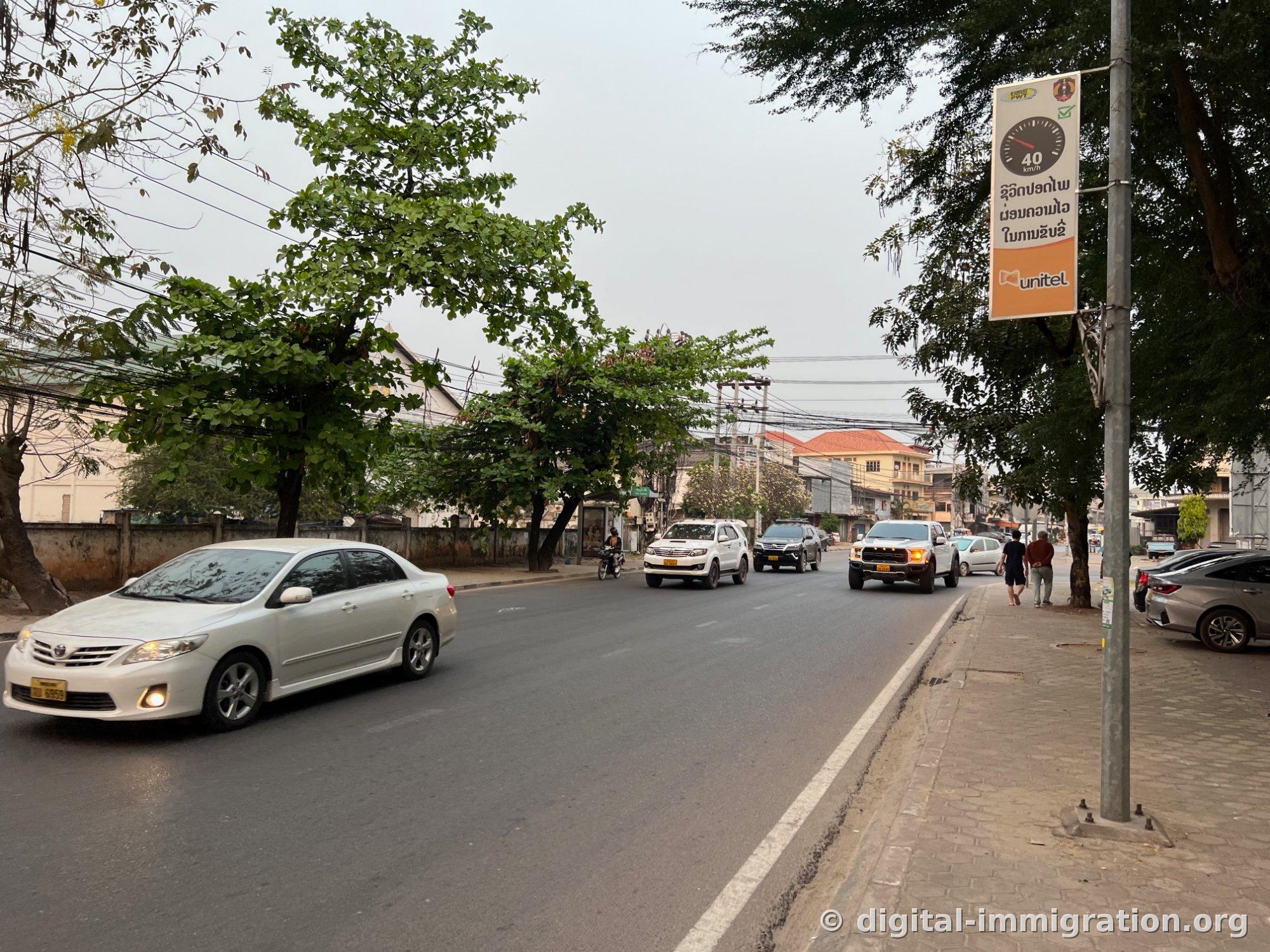
There's a banner on the power line that says "40km/h" in big letters, and cars really do move at that leisurely pace. If you've just come from the cutthroat traffic of Bangkok or Ho Chi Minh City, crossing streets in Vientiane feels downright easy. But once the sun sets, streetlights thin out and it gets dark. If you're walking, leave before 6 p.m., and on the way back you might need to catch a local tuk-tuk instead of Grab. Ask the fare ahead of time.
The Dough Is Different—Shrimp White Pizza
The first pizza to arrive was this one. It comes whole on a wooden board, and photos don't really do the size justice. In reality, it's the perfect size for two adults to share one and split another dish.
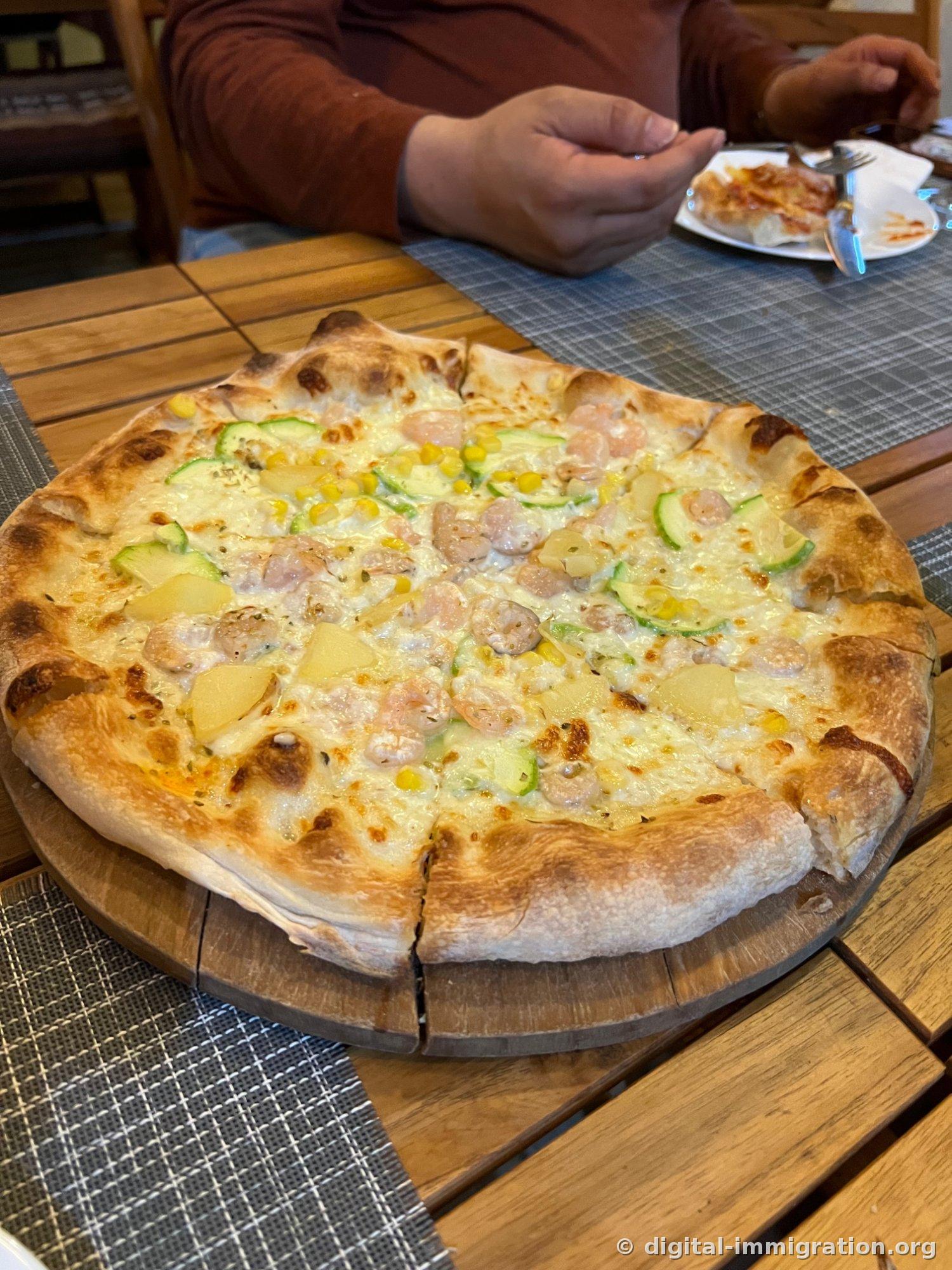
A white pizza without tomato sauce. The shrimp isn't stingy, and it comes topped with thin-sliced zucchini, potatoes, and corn. The potato-and-corn combination is familiar from Korean pizza places, but this one tastes different. The potatoes aren't mashed; they're baked in chunks and come out fluffy, with the cheese filling the gaps and adding a savory umami note. The shrimp wasn't pre-cooked in a pan—it went on raw and baked along with everything else in the wood oven, so it stayed tender.
ដាក់ស្នើទម្រង់អន្តោប្រវេសន៍ឌីជីថល (LDIF)
But what really impressed me wasn't the toppings—it was the crust edge. The border puffs up about two finger-widths and chars in patches. When you tear into it, the outside is crispy while the inside is full of air pockets. It has a chewy resistance when you bite down. You can't get this texture without cold-fermenting the dough for at least a day. Later, I learned the owner and chef is Italian. That explained it.
A Slice of Margherita and a Side
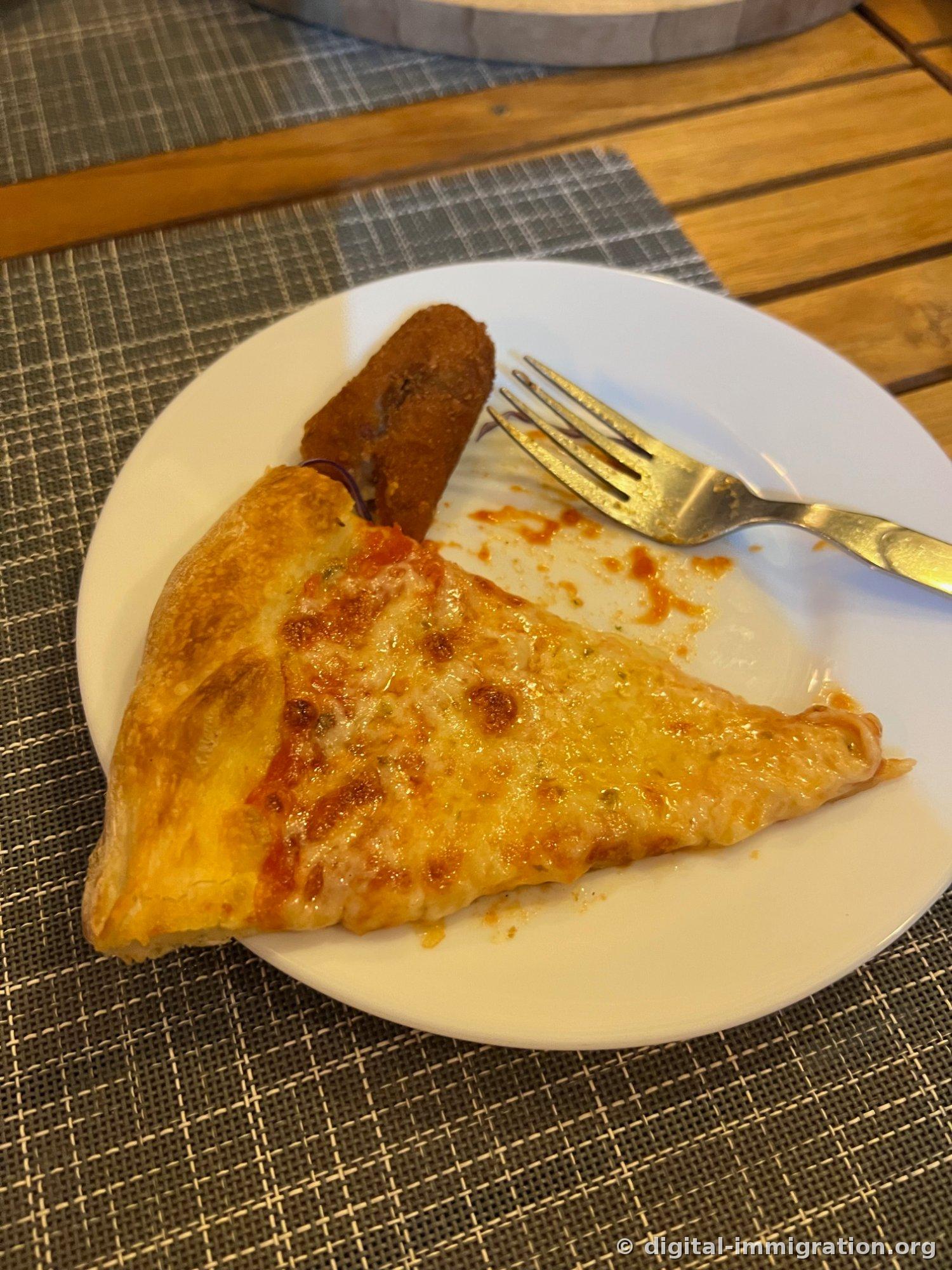
So we wouldn't get bored with only the white pizza, we ordered a tomato sauce pizza to split. Once on the plate, I notice the cheese doesn't slide around—it sits neatly on the dough. The sauce is generous, staining the bottom of the plate red. It's not salty. A common mistake at Southeast Asian Western restaurants is over-salting and over-sweetening, but this place doesn't cross that line.
The fried side next to it has a crispy outside and soft inside. It's perfect for pulling off a piece between pizza bites. The menu has a few sides, so I'd recommend ordering one—don't just get pizza alone.
The Drink at the End of the Meal
The staff is friendly. While their English isn't fluent, they try to explain the menu, and they refill your water glass without being asked. But the real magic happens just before the check.
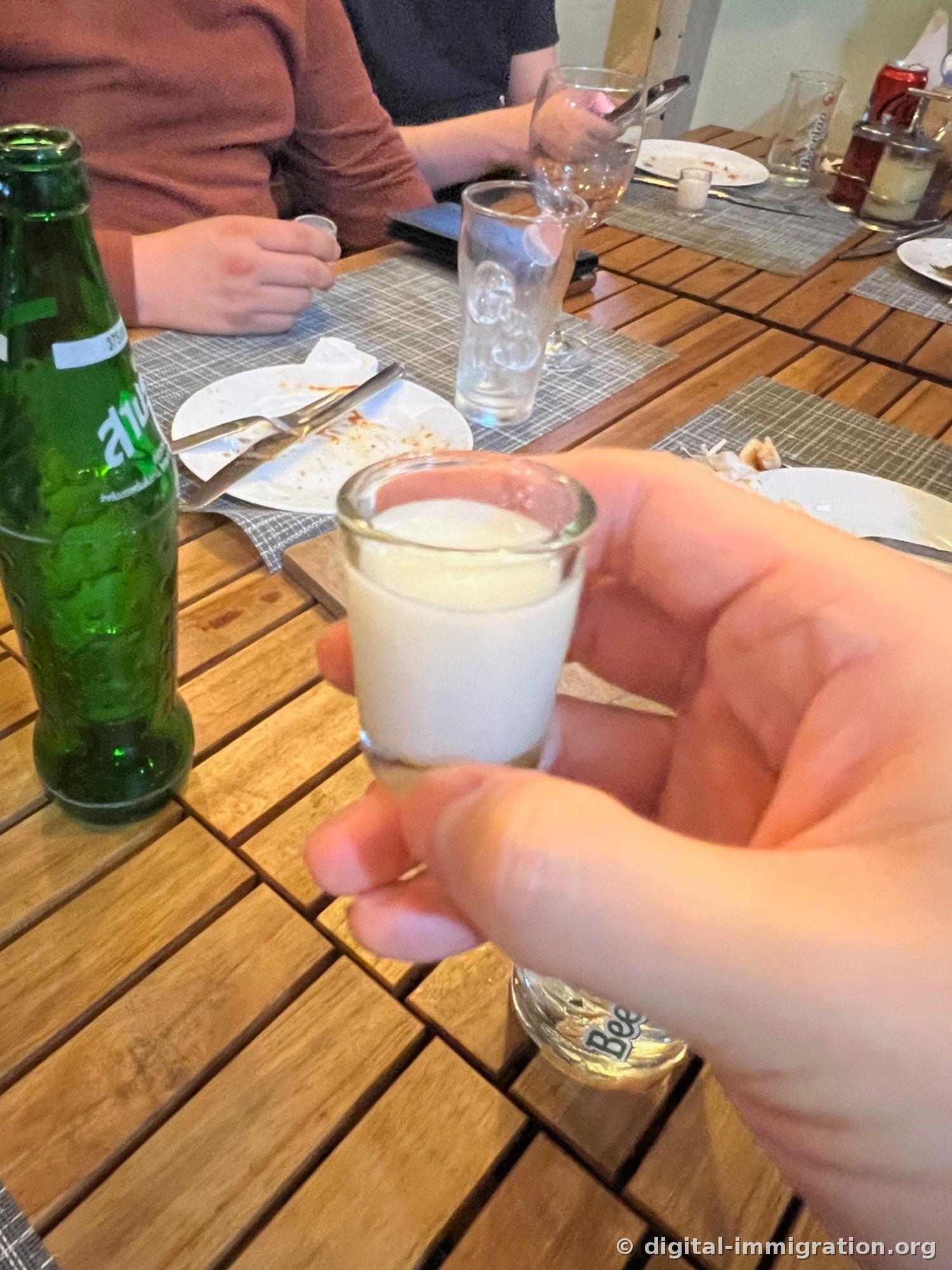
The chef serves homemade liqueur in small shot glasses—one per person. It's cloudy and milky white, likely a cream-based liqueur. It smells sweet, and when you sip it, your throat doesn't burn. It's not strong. The alcohol content is low and the flavor is smooth, so even those who don't drink much can finish it easily. That one glass cleanses the palate after the rich pizza.
The green bottle on the table is Beerlao, the local Laotian beer. There's no reason to order imported beer in Laos. It's cheap everywhere and always cold. It pairs well with pizza.
Before You Go
- Hours are inconsistent. This is the biggest trap at this place. I've arrived following Google Maps' listed hours only to find the door locked. Before leaving Vientiane, I tried to go one more time but couldn't make the hours work. I recommend checking their Facebook page or calling ahead to confirm they're open that day.
- It's a small family-run operation, so the kitchen doesn't turn out pizzas quickly. They bake one pie at a time in the wood oven. If it gets busy during dinner hours, expect to wait 20-30 minutes.
- Tables are mostly wooden ones outside. On a dry evening, it's pleasant, but during the rainy season it's worth checking seating conditions first.
- Prices aren't cheap by local standards. It's definitely pricier than a bowl of local Laotian noodles. But compared to similar pizzerias in Korea or Bangkok, it's a fair deal. Prices fluctuate over time, so check when you go.
If your Vientiane trip is four or more days, it's worth squeezing this place in somewhere between khao poon and a Laotian baguette sandwich. It's a completely different animal from the mediocre Western food you'd get at any random tourist-area restaurant. Just make sure to confirm their opening hours before you go. Missing out on this is a disappointment that lingers longer than you'd expect.
អានបន្តទៀត
- តាតលួង វៀងច័ន្ទ៖ ព្រះស្តូបមាសដែលខ្ញុំបានដើរទស្សនានៅម៉ោងប្រាំល្ងាចមួយថ្ងៃមេឃស្រទុំ
ជិះតុកតុកពីកណ្តាលក្រុងវៀងច័ន្ទប្រទេសឡាវ ឡើងទៅទិសឦសាន្តប្រហែល ១៥ នាទី ផ្លូវនឹងធំទូលាយឡើងភ្លាមៗ ហើយពីលើកំពែងនោះ ដុំមាសមួយកំពុងលេចចេញមក។ នេះគឺវត្ត ភ្រះធាតុលួង (Pha That Luang) ព្រះស្ត…
វៀងចាន់ · That Luang - ជួបនំមីស៊ុជីនហ្គេនម៉ូជិស្ទីលក្យូតូ នៅចំកណ្តាលក្រុងវៀងច័ន្ទ — កំណត់ត្រា KYO Cafe & Meal
វៀងច័ន្ទគឺគួរឲ្យខ្លាចបំផុតនៅម៉ោងពីររសៀល។ ម្លប់ក៏គ្មានប្រយោជន៍ដែរ ជាពេលដែលអ្នកអាចមានអារម្មណ៍ថាអាវជាប់នឹងខ្នង។ ថ្ងៃនោះខ្ញុំដើរនៅក្នុងទីក្រុង ហើយទ្រាំលែងបានទៀត ក៏រត់ចូលទៅជ្រកនៅអគារដែល…
វៀងចាន់ · KYO Cafe & Meal - Le Vendôme នៅវៀងច័ន្ទ អាហារពេលល្ងាចបែបបារាំងនៅឡាវ — កំណត់ត្រាមុខម្ហូបបីមុខ ភីហ្សា កាបូណារ៉ា និងសាឡាត់
ល្ងាចមួយដែលខ្យល់ពីមេគង្គបក់មកដល់ផ្លូវថ្នល់ ខ្ញុំបានចូលទៅភោជនីយដ្ឋាន Le Vendôme Restaurant ដែលស្ថិតនៅក្នុងសង្កាត់ វត្តអິនផេង (Wat Inpeng)។ នៅវៀងច័ន្ទ ប្រសិនបើនិយាយអំពីម្ហូបបារាំង ឈ្…
វៀងចាន់ · Le Vendôme Restaurant