Shinjuku Tokyo Metropolitan Government Building South Observation Deck: Free Views of Tokyo's Night from 202m High
The Tokyo Metropolitan Government Building located in Shinjuku's Nishi-Shinjuku area is a city hall building. It's a government office where people come to handle administrative ma…
Tokyo · Tokyo Metropolitan Government Building Observation Deck
The Tokyo Metropolitan Government Building located in Shinjuku's Nishi-Shinjuku area is a city hall building. It's a government office where people come to handle administrative matters, and yet two of its 45th-floor spaces are open as observation decks with absolutely no admission fee. When you think about how many paid observation decks Tokyo has, this feels almost strange. Whether it's Skytree or Shibuya Sky, you're easily spending 2,000 to 3,000 yen per person, but here you just stand in front of the elevator, get your bag checked once, and ride up. This was my third visit, and all three times I've come back down muttering "Why is this free?"
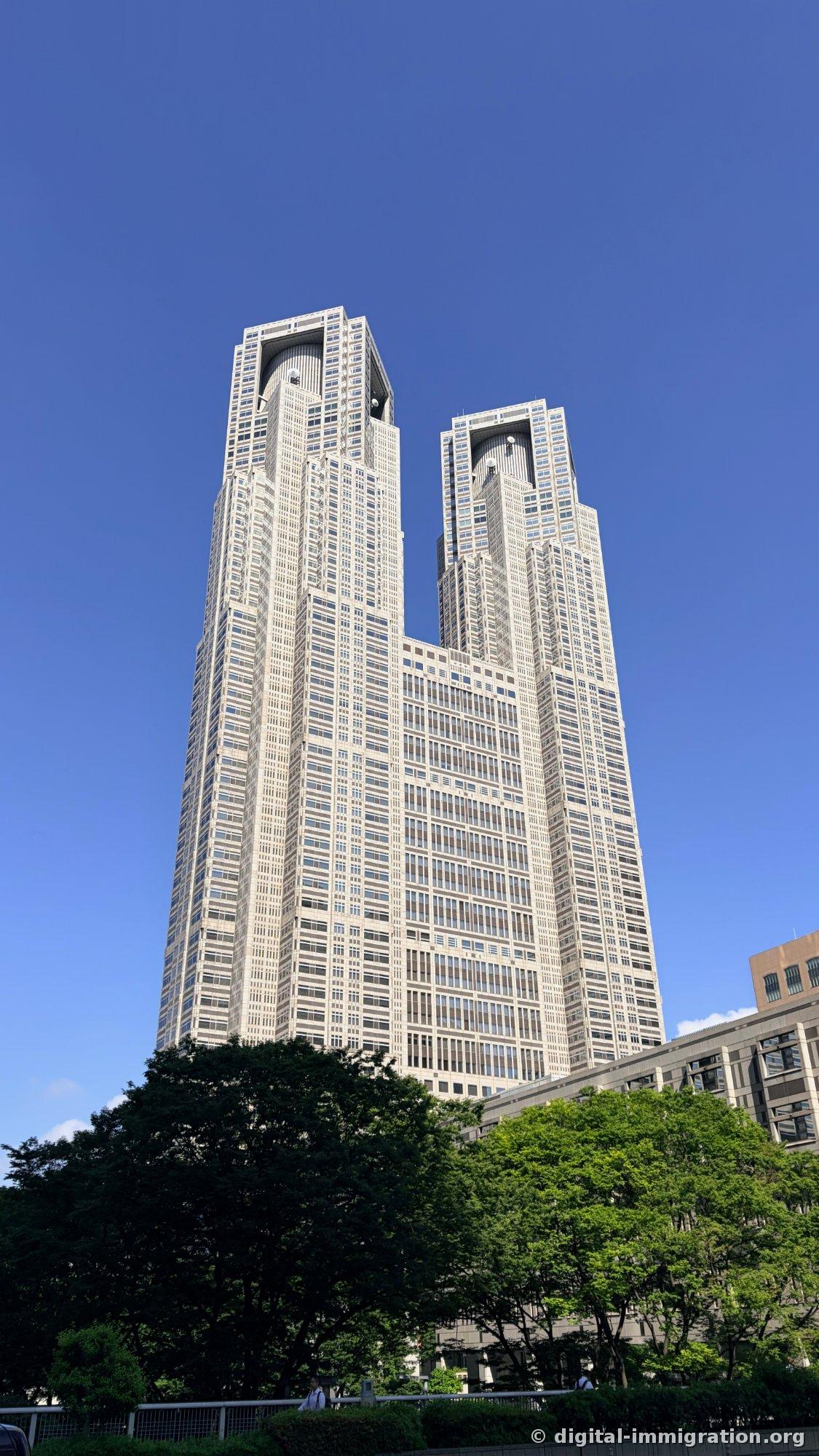
Come Prepared for Lines, But Pick Your Time to Breeze Right Through
To put it bluntly, the worst time is from sunset to 8 PM. Queues snake between the stanchions in front of the 1st-floor elevator hall, and when those fill up, they overflow outside the lobby. It's unavoidable—night-view seekers from all over the world converge during these hours. On the day I went, arriving just after 8 PM, there were about 40 people ahead of me. With elevators holding around twenty people each, I had to let two go before getting on the third. About 20 minutes wait.
During the day, it's remarkably quiet. I've gone up around 11 AM before—no line to speak of, just walked right on, and even had the pick of window seats. On clear days, you'll see Mount Fuji's silhouette hanging in the western sky. If night views aren't your goal, visiting during the day is overwhelmingly more comfortable. Want to see the night view and avoid lines? There's another option: head up during an off-peak time and wait for the sunset to happen in real time. There's no time limit inside the observation deck.
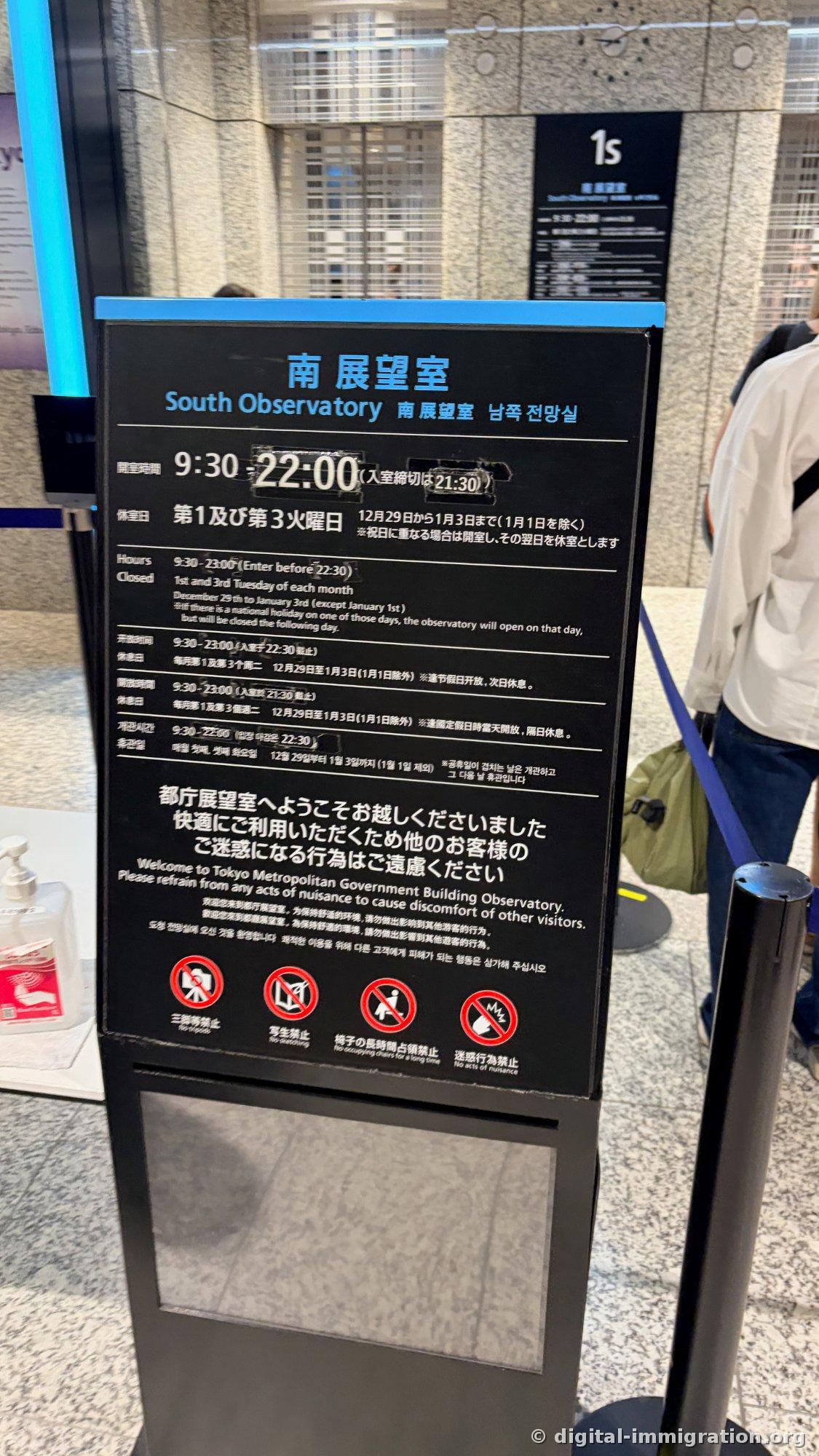
I took this photo of the board for a reason. Look closely and you'll notice black stickers patched over the hours—the Japanese line says 22:00 while the English line says 23:00, different from each other. It looks like hasty corrections made during a transition period. Closed days are staggered: the south observation deck is closed the 1st and 3rd Tuesdays of each month, while the north deck closes on the 2nd and 4th Mondays, so one is generally open. During year-end and New Year's (12/29–1/3), only January 1st remains open. If you're aiming for late hours or a Tuesday, it's safer to check the official website on the day you plan to visit. The north observation deck has had different operating schedules depending on the period.
Pressed Against the Windows: What I Saw
The 45th-floor observation deck is doughnut-shaped. A café and souvenir shop sit in the center, ringed by glass. Walk slowly around and you see Tokyo in full 360 degrees. The glass tilts slightly inward, so when you photograph through it, the ceiling lights and interior reflect directly onto the glass. You get the best results pressing your camera lens tight to the glass and standing behind someone wearing dark clothes. Even then, you can't eliminate the reflection entirely.
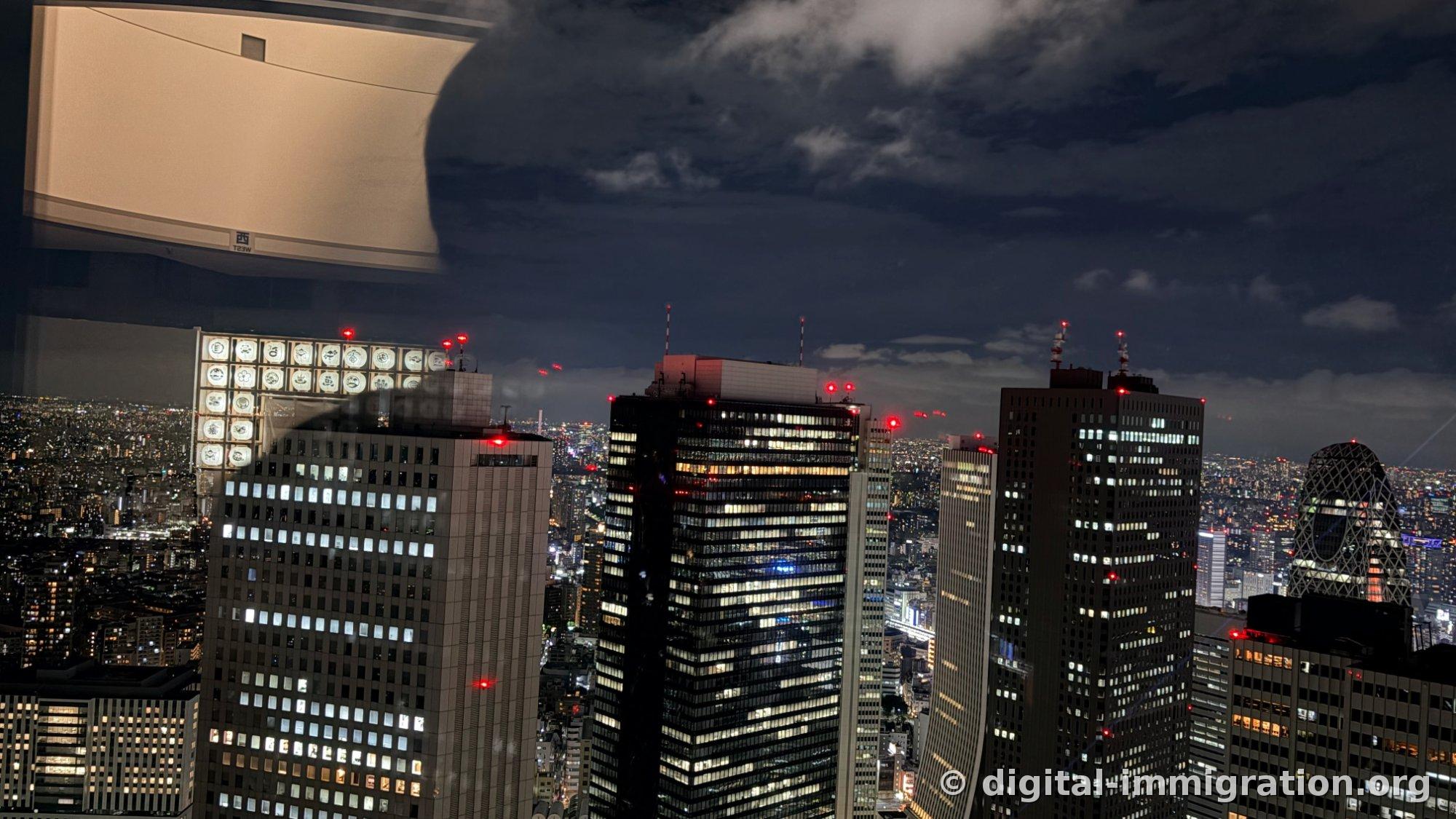
Press against the east-facing windows and Shinjuku Station spreads directly below. You'll see one distinctive glass roof studded with blue lights—that's the rooftop of a building spanning Shinjuku Station's southern side. Beyond it stands a pointed clock tower. The NTT Docomo Yoyogi Building. Tokyoites just call it "the Docomo Tower," and the spire glows blue at night. First-time visitors often mistake it for Tokyo Tower. Tokyo Tower itself sits much further right, much further away, a tiny orange structure.
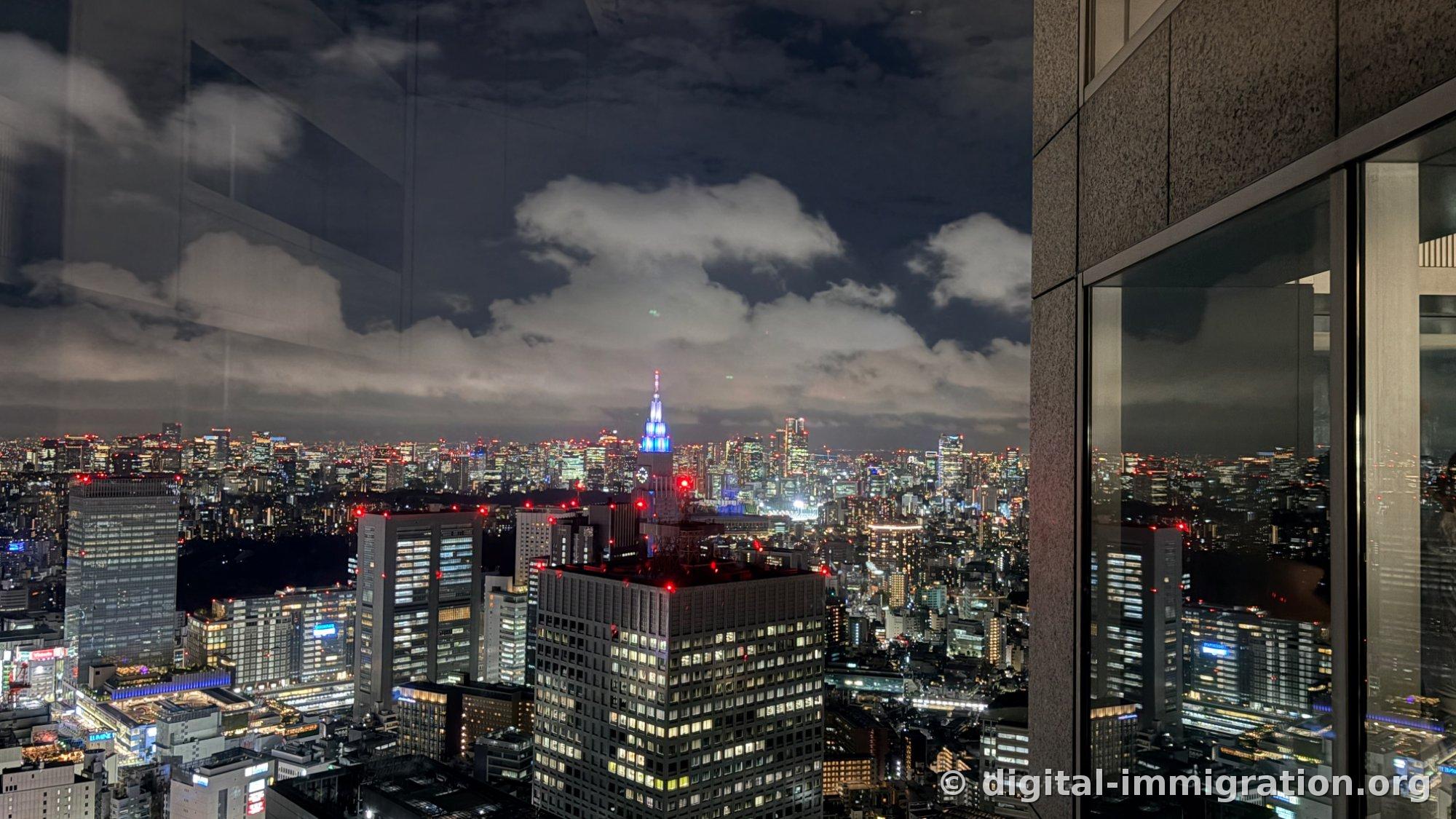
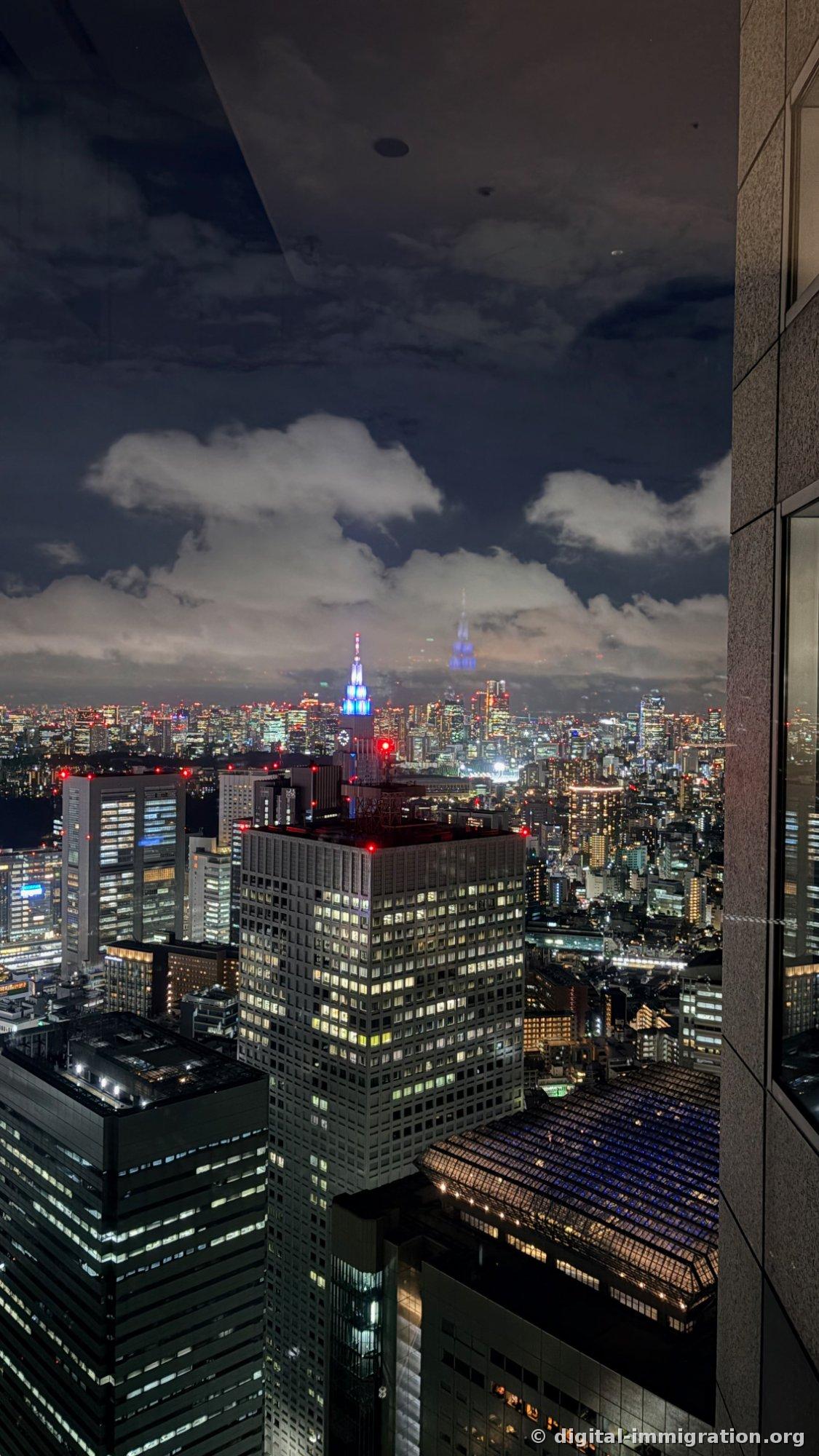
The clouds were unusually low that night. At the 45th-floor height, they hung just below us, and city lights reflected off the cloud base, turning the entire sky a hazy gray. It's a different view from the crisp night scenery on clear days, but I actually preferred this one.
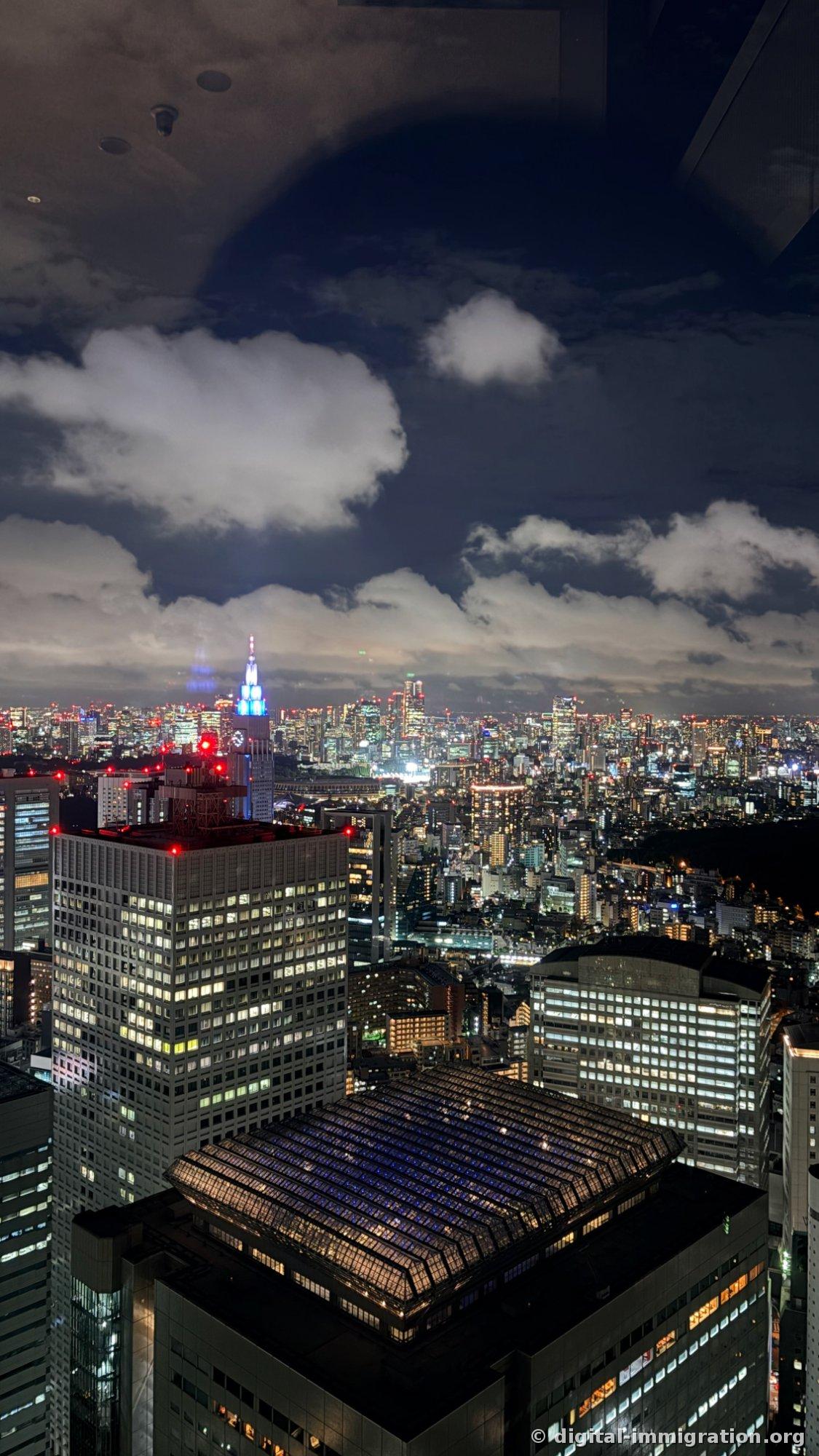
The most thrilling moment comes when you press your face to the glass and look straight down. The number 202 meters doesn't register until you see a taxi crossing the street below appear smaller than your thumbnail, and then it suddenly hits you. The Nishi-Shinjuku avenue near midnight is nearly empty, just white lane markings stretching endlessly like fluorescent tubes.
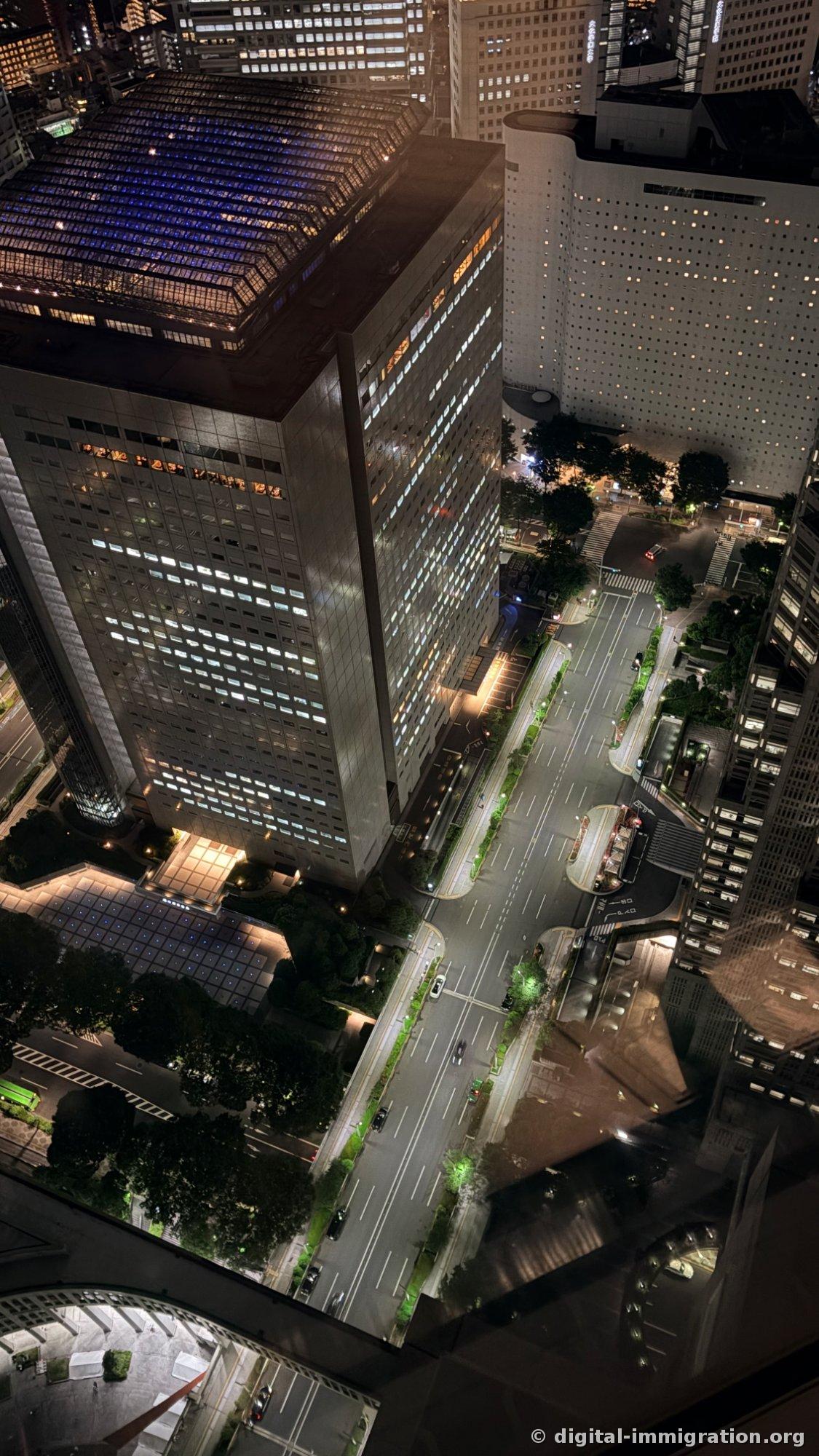
The West-Facing Windows: Park Hyatt and Endless Residential Lights
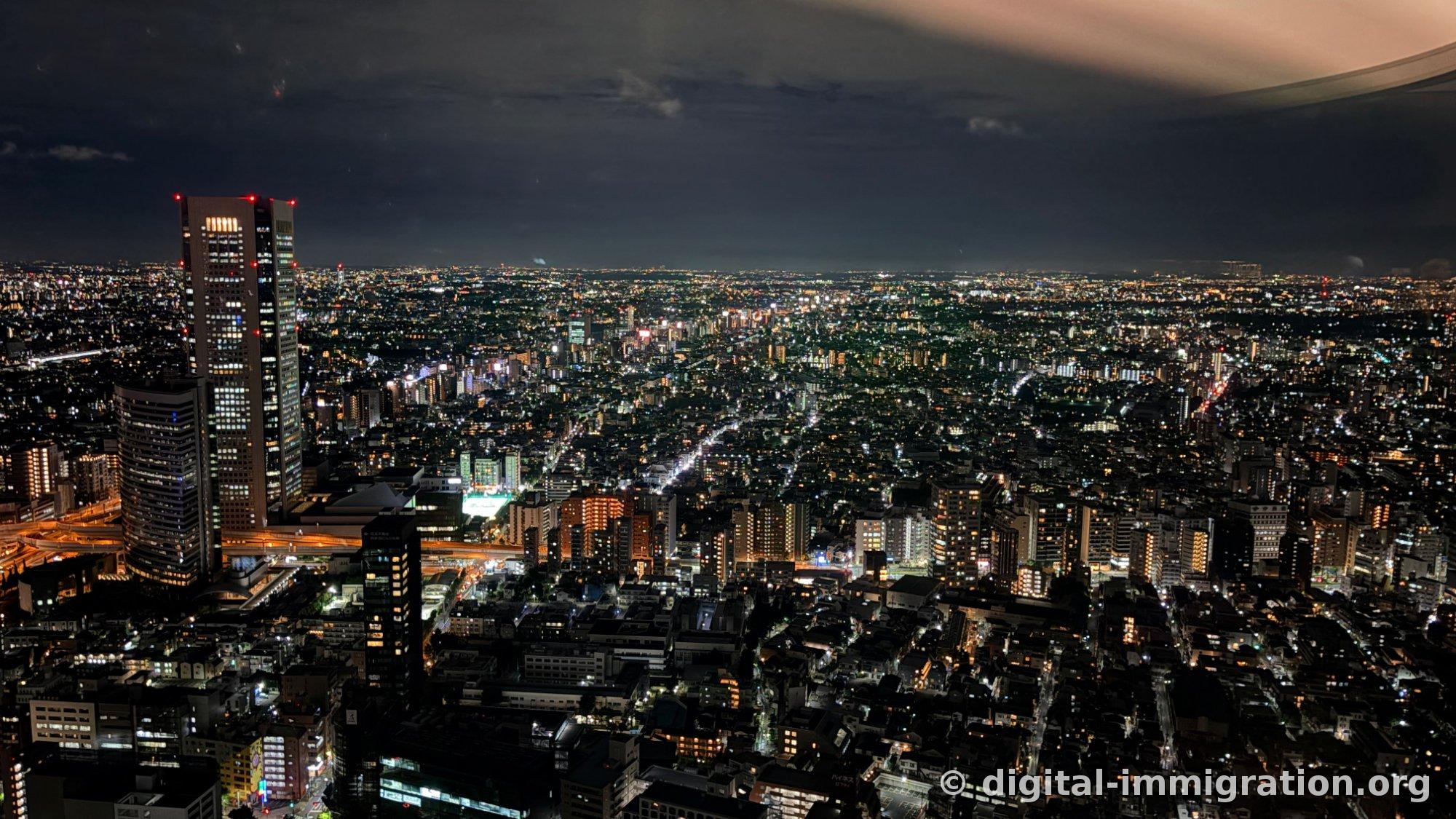
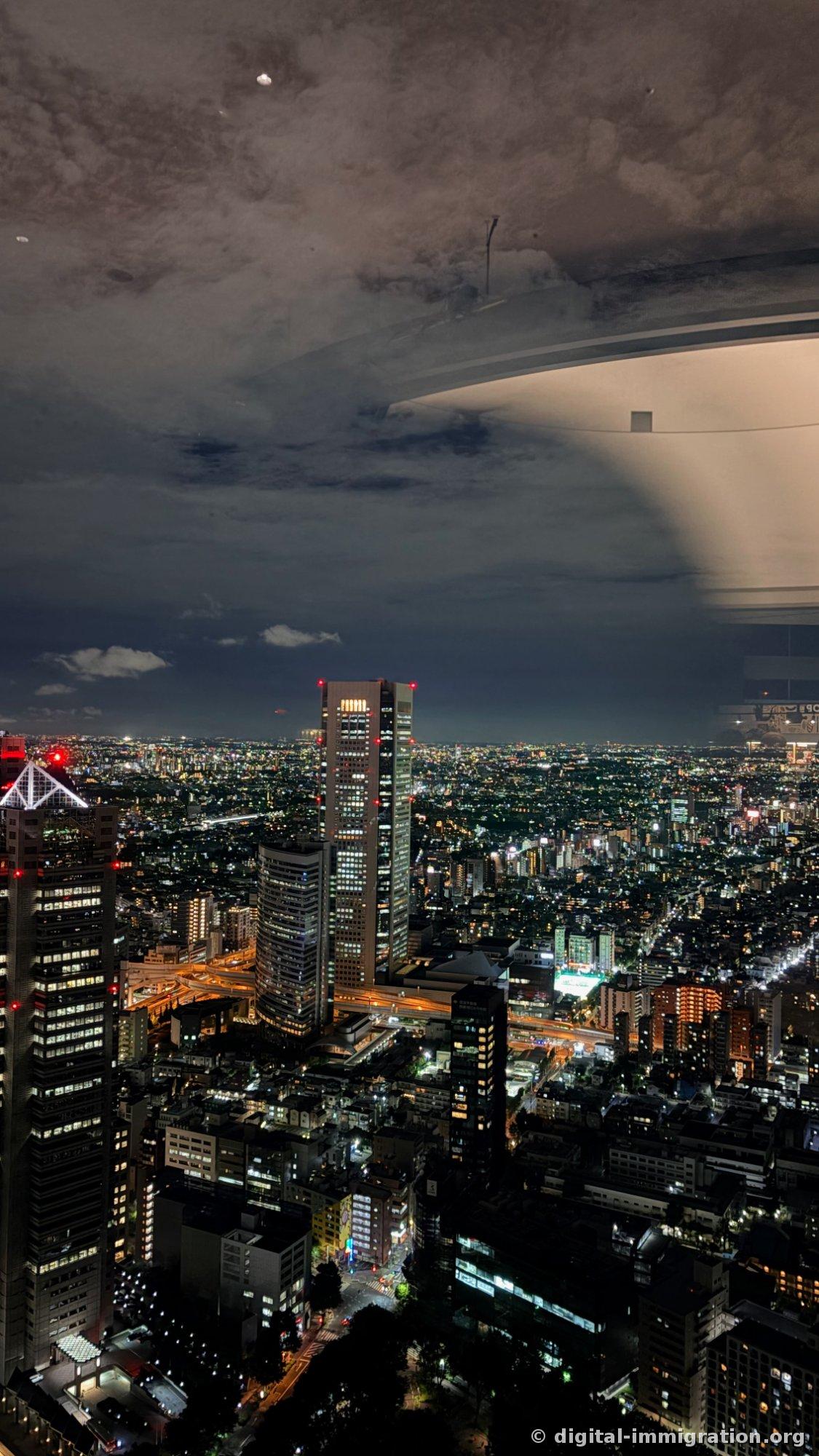
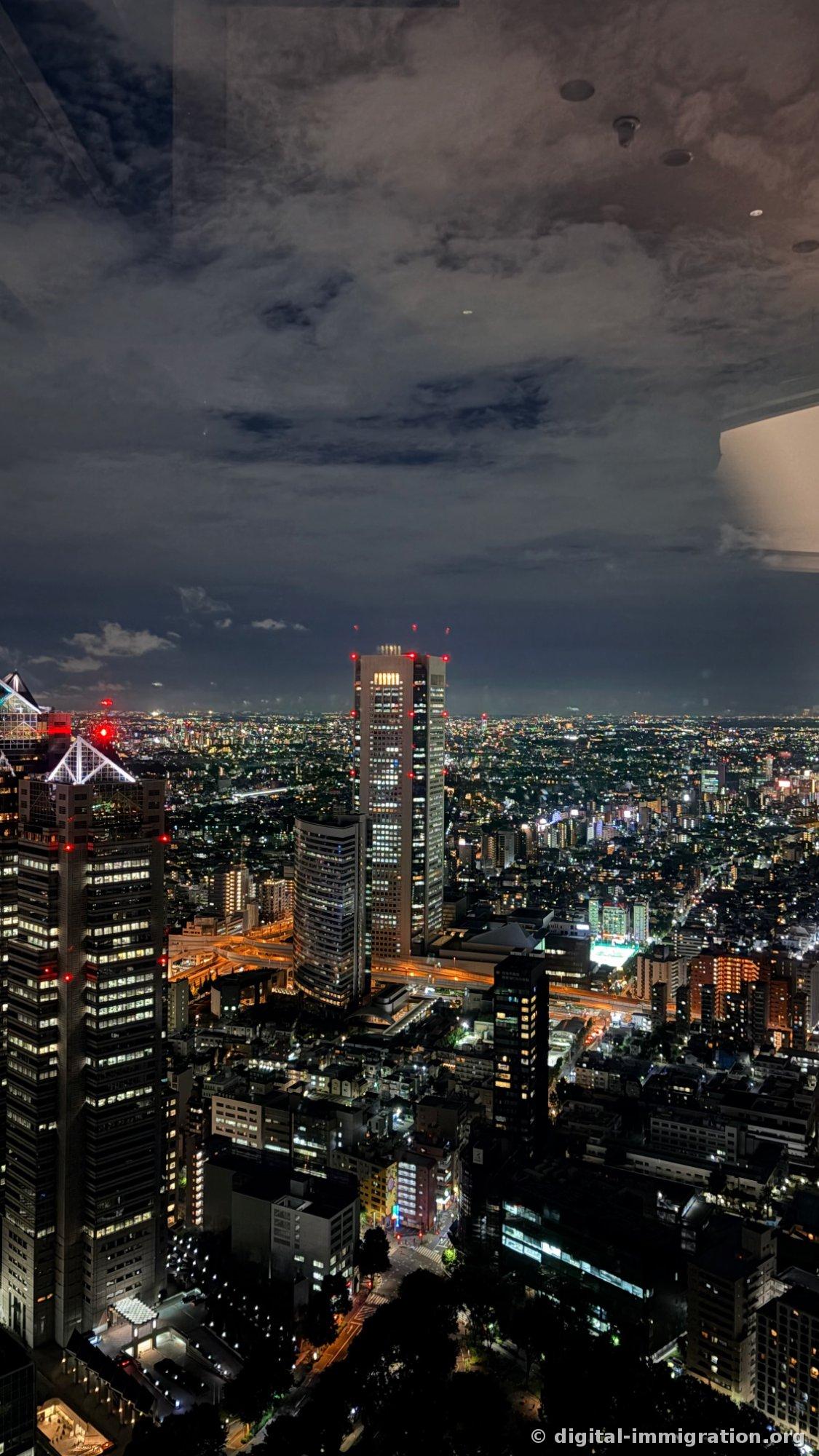
People crowd the east-facing windows where Tokyo Tower is visible, but I prefer the west side. Beyond a few high-rises, residential lights stretch uniformly to the horizon. You can't see where it ends. The vast scale of Tokyo as a city is actually better conveyed by this plain western view than by Skytree.
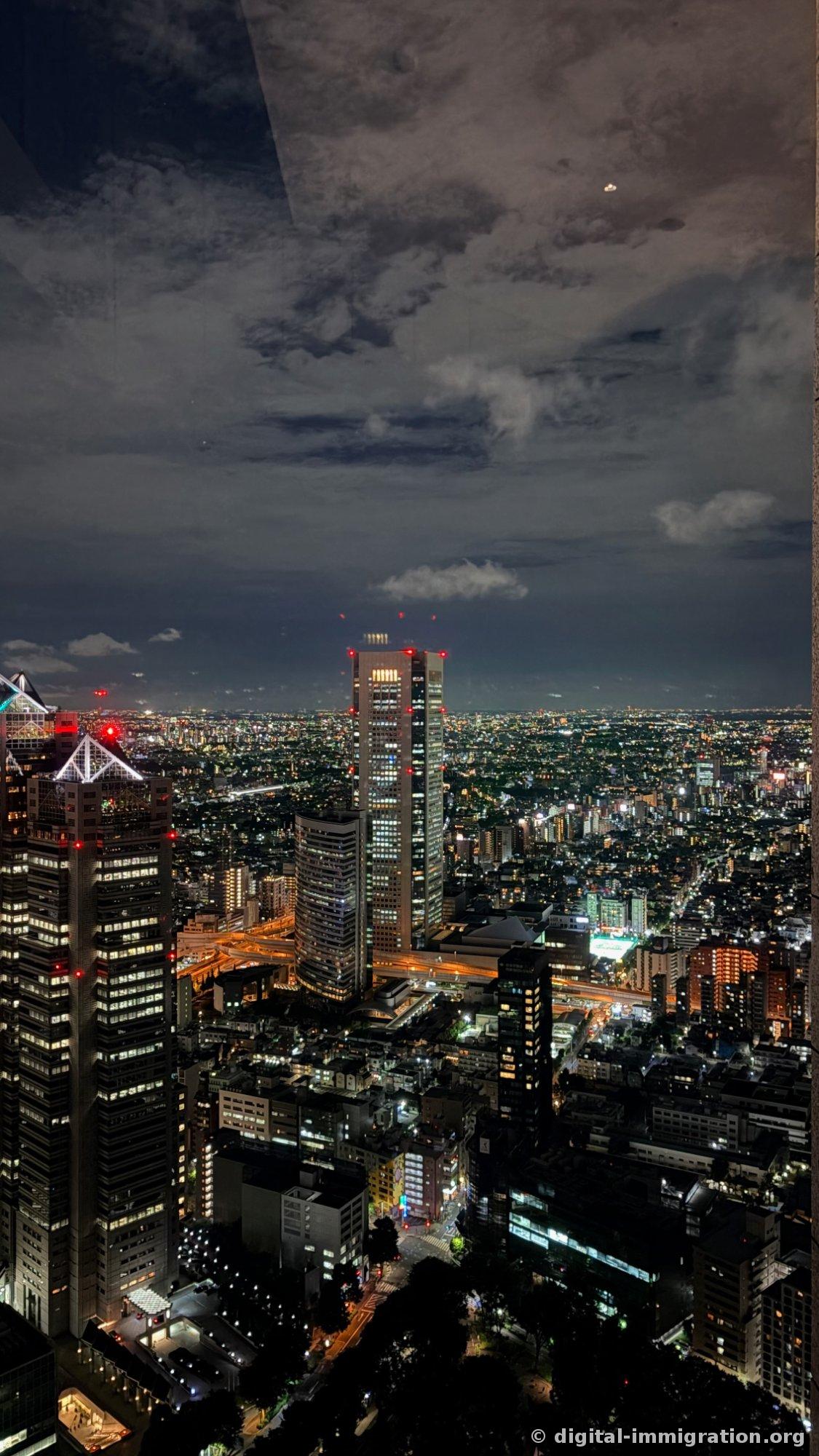
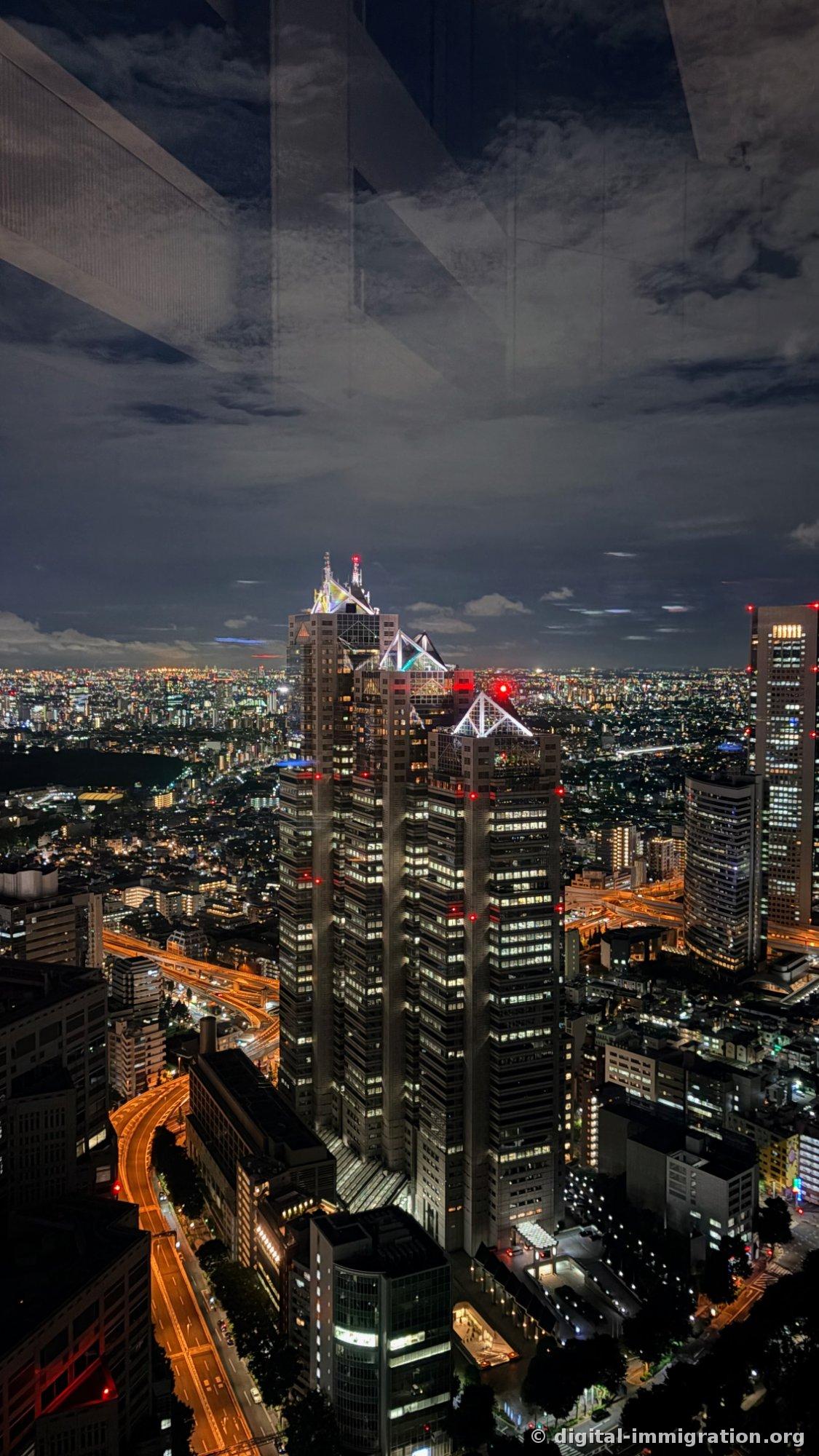
Not many places let you look down at Park Hyatt Tokyo from above. One cocktail at the top-floor bar of that hotel would cost more than the price of coming here—which is to say, zero yen. The orange streetlights curving like a snake flowing downward are the on-and-off ramps of the Metropolitan Expressway.
How to Get There: Take the Underground Walkway and Stay Dry
About a 10-minute walk west from JR Shinjuku Station's west exit. Though if you walk above ground, you'll need to cross several traffic lights and you'll be drenched with sweat in summer. I recommend the underground pedestrian passage. Just follow the signs toward the government building from the west side of Shinjuku Station, and the air-conditioned underground passage connects straight through to the building's basement. On rainy days or in the height of summer, this difference is significant.
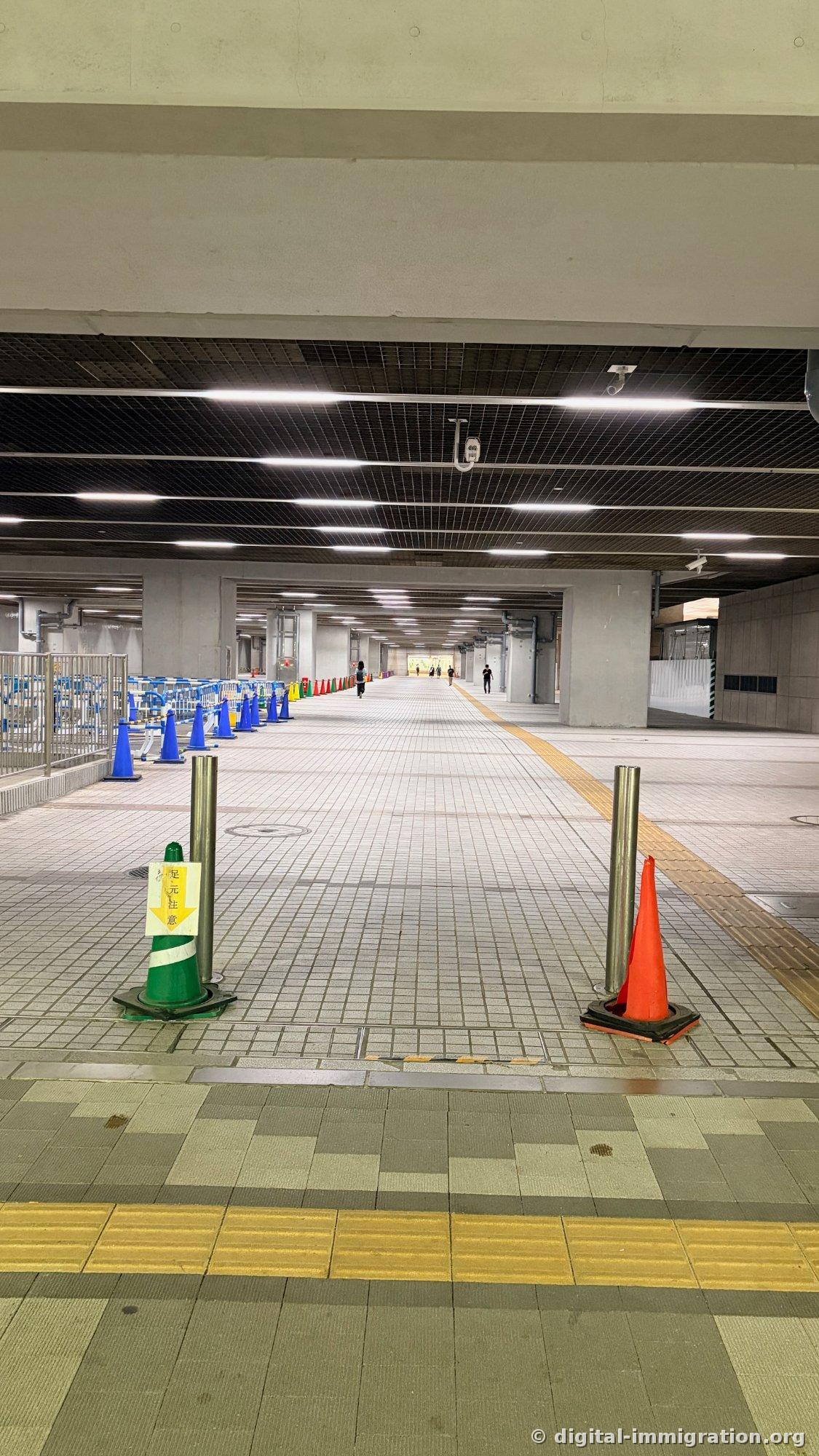
If you take the Toei Oedo Line, Tochomae Station is right there, so it's less than 5 minutes from the ticket gate to the elevator hall. The observation deck elevators are located on the 1st floor of the Main Building 1, with separate platforms for the south and north decks. The "1s" marking you see in photos indicates the south observation deck. If one queue is long, check the other side. The views are slightly different, but both are wonderful.
A Few Practical Notes
- There's a quick bag check upon entry. It's convenient to put large luggage in the coin lockers on the 1st floor before heading up.
- Tripod use is prohibited. It's clearly marked with illustrations on the signage. You're limited to bracing yourself against the glass with your hands.
- Wear dark clothes and you'll notice less glass reflection. Light clothes will show up like a ghost.
- There's a café/bar on the 45th floor where you can sit and enjoy beer or coffee. However, there's a notice asking not to occupy seating for extended periods.
- For daytime views of Mount Fuji, your best bet is a clear winter morning. Summer afternoons almost never show it.
If you're wondering how to spend an evening in Tokyo, I'd suggest coming here instead of dropping 3,000 yen on a paid observation deck, and using that money for an izakaya instead. It's a government office, so there's no atmospheric staging, the glass reflects heavily, and evening brings queues. But once you're standing at the window, counting how far Tokyo extends, it somehow starts to feel strange that you didn't have to pay.
Read next
- From Akihabara's Chuo-dori to the Kanda River: A Record of Tokyo's Electronics District Revisited Multiple Times
Tokyo's Akihabara is a neighborhood where it's hard to say you've seen everything in a single visit. I've come multiple times across different seasons, and each time the signs chan…
Tokyo · Akihabara - Buying a Single ¥300 Year-End Jumbo Lottery Ticket at Nishi-Ginza Chance Center in Tokyo
Exit from the Hibiya exit of Tokyo's Shimbashi Station, walk toward the elevated highway for about three minutes, and suddenly you'll see a line of people stretching along the side…
Tokyo · Nishi-Ginza Chance Center - Ueno Ameyoko, the real magic starts after sunset — an evening walk from the Okachimachi Gate to Ueno Station
Every time I come to Tokyo, my feet find their way to Ueno Ameyoko (アメ横) without fail. This time I entered from the Okachimachi side and worked my way toward Ueno Station. I've met…
Tokyo · Ameya Yokocho Market